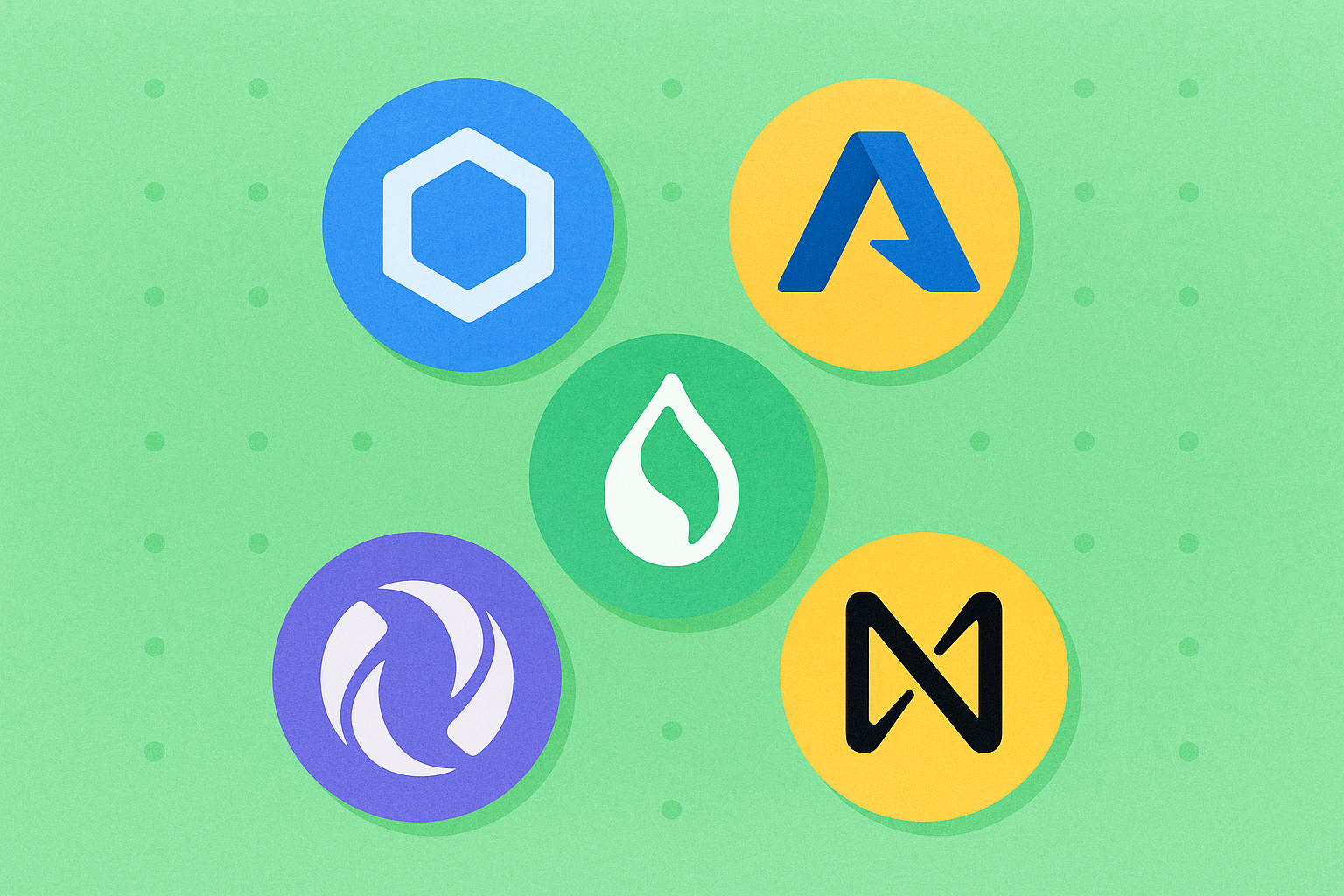
استكشف أحدث اتجاهات العملات الرقمية في موسم Altseason، واكتشف كيف تحقق العملات البديلة مثل LINK و ARB و SUI أداءً يفوق Bitcoin. تعرّف على استراتيجيات التداول، والعوامل المؤثرة في السوق، وفرص الربح المتاحة على Gate. ابدأ الاستثمار الذكي اليوم.
نظرة عامة على السوق: تصاعد ظاهرة موسم العملات البديلة
يشهد سوق العملات الرقمية تحولاً ملحوظاً، حيث تظهر العديد من العملات البديلة قوة وزخماً استثنائيين. دخل السوق مؤخراً ما يُعرف باسم "موسم العملات البديلة"، وهي مرحلة يتميز فيها تحقيق مكاسب كبيرة في العملات الرقمية البديلة خارج الأصول الكبرى. يبرز هذا الموسم بارتفاع اهتمام المستثمرين، وزيادة نشاط المطورين، وتوسّع حالات الاستخدام عبر منظومات البلوكشين المختلفة.
برزت خمس عملات بديلة كمشاريع ذات أداء قوي في هذه المرحلة: Chainlink (LINK)، Arbitrum (ARB)، Sui (SUI)، Injective (INJ)، وNear Protocol (NEAR). تتسم هذه المشاريع بخصائص مشتركة تمنحها مكانة متقدمة في السوق الحالي، مثل حلول التوسّع المتينة، ميزات تقنية مبتكرة، وتزايد اعتماد النظم البيئية.
تحليل العملات البديلة المُميزة
Chainlink (LINK): الربط بين العقود الذكية والبيانات الواقعية
Chainlink رسخت مكانتها كأبرز شبكة أوراكل لامركزية في قطاع البلوكشين. يؤدي المشروع دوراً أساسياً في ربط العقود الذكية بالبيانات الواقعية، مما يُمكّن تطبيقات البلوكشين من التواصل مع مصادر خارجية للمعلومات بشكل آمن وموثوق.
أصبحت تقنية الأوراكل في Chainlink بنية تحتية محورية لبروتوكولات التمويل اللامركزي (DeFi)، حيث توفر بيانات الأسعار، توليد العشوائية، وخدمات بيانات متعددة. تضمن شبكة مشغلي العقد الواسعة دقة البيانات وأمانها عبر آليات إجماع لامركزية. عقد المشروع شراكات مع شبكات بلوكشين متعددة وشركات تقليدية، موسعاً من نطاق استخدامه في قطاعات مثل المالية، التأمين، وسلاسل التوريد.
من أبرز التطورات الأخيرة في نظام Chainlink البيئي تعزيز قدرات الربط بين الشبكات وإدخال آليات التخزين، مما يقوي أمان الشبكة ويوفر قيمة إضافية لحاملي رمز LINK.
Arbitrum (ARB): توسعة Ethereum عبر ابتكارات الطبقة الثانية
يمثل Arbitrum أحد أنجح حلول توسعة الطبقة الثانية لشبكة Ethereum. يعتمد على تقنية Optimistic Rollup، مما يقلل بشكل كبير تكاليف المعاملات ويزيد الإنتاجية مع الحفاظ على أمان Ethereum.
استقطبت المنصة اهتماماً كبيراً من المطورين واعتماداً متزايداً من المستخدمين، وتستضيف العديد من بروتوكولات DeFi، وأسواق NFT، وتطبيقات الألعاب. توافق Arbitrum مع بنية Ethereum يتيح للمطورين نشر التطبيقات بسهولة مع تعديلات طفيفة، ما يسهل الانتقال والتكامل.
رمز ARB يُستخدم في الحوكمة داخل نظام Arbitrum، ويمنح حامليه حق المشاركة في قرارات وتحديثات البروتوكول. يبرز نمو القيمة الإجمالية المقفلة (TVL) وتوسع التطبيقات ثقة قوية في نهج التوسعة الذي يتبعه.
Sui (SUI): بنية بلوكشين متقدمة للجيل القادم
Sui يقدم بنية بلوكشين ابتكارية تهدف لدعم التطبيقات عالية الأداء التي تتطلب إنهاء سريع للمعاملات وزمن استجابة منخفض. طوّره مهندسون سابقون في Meta، ويعتمد على آلية إجماع جديدة ومعالجة متوازية للمعاملات لتحقيق توسعة كبيرة.
يعتمد المنصة على نموذج بيانات قائم على الكائنات، يختلف عن النظم التقليدية القائمة على الحسابات، مما يعزز كفاءة إدارة الحالة ومعالجة المعاملات. يمنح هذا التصميم Sui قدرة مثالية لتطبيقات الألعاب والمنصات الاجتماعية وحالات الاستخدام ذات الإنتاجية العالية.
تتميز بيئة Sui بأدوات تطوير متكاملة ووثائق شاملة، ما يجذب مشاريع تسعى لبناء تطبيقات لامركزية عالية الأداء. وقد شهد النظام نمواً مطرداً مع تزايد التطبيقات المنشورة والمستخدمين النشطين.
Injective (INJ): بنية تداول للتمويل اللامركزي
تعمل Injective كسلسلة بلوكشين متخصصة للتطبيقات المالية اللامركزية، مع تركيز خاص على تداول المشتقات والأدوات المالية المتقدمة. تتيح المنصة تداولاً لامركزياً كاملاً لفئات الأصول المتنوعة مثل العملات الرقمية، السلع، والفوركس.
تعتمد البنية التقنية للمشروع على آلية إجماع مخصصة ومحرك تداول عالي السرعة، ما يدعم مطابقة أوامر بسرعة واستراتيجيات تداول معقدة. توفر بنية الجسر بين الشبكات في Injective إمكانية نقل الأصول من شبكات بلوكشين متعددة، ما يزيد من خيارات التداول والسيولة.
يشارك حاملو رمز INJ في الحوكمة ويتلقون جزءاً من الرسوم الناتجة عن أنشطة المنصة. أسس المشروع نظاماً بيئياً متطوراً من تطبيقات وخدمات التداول، ما يجعله بنية تحتية للجيل القادم من البورصات والمنصات اللامركزية.
Near Protocol يمنح المطورين تجربة تطوير سلسة وأدوات متقدمة وبنية تحتية تسهل إنشاء تطبيقات البلوكشين. تعتمد المنصة تقنية التقسيم "Nightshade" لتحقيق توسعة عالية مع الحفاظ على اللامركزية والأمان.
نموذج الحساب في Near وخصائص الأمان التدريجية يجعل المنصة أكثر سهولة للمستخدمين العامين مقارنة بالمنصات التقليدية. يدعم المشروع لغات برمجة متعددة ويوفر أطر تطوير متكاملة، ما يسهّل دخول المطورين من خلفيات متنوعة.
توسّع نظام Near البيئي ليشمل بروتوكولات DeFi، منصات NFT، تطبيقات الألعاب والشبكات الاجتماعية. أدى تركيز المنصة على تجربة المستخدم وأدوات المطورين إلى جذب مشاريع تسعى لبناء تطبيقات بلوكشين موجهة للجمهور.
محركات السوق وآفاق المستقبل
دوافع مرحلة التجميع
يرصد المحللون مرور هذه العملات البديلة بمرحلة تجميع، تتسم بضغوط شراء ثابتة وثقة متزايدة بين الحاملين. غالباً ما تسبق هذه المرحلة موجات صعود أوسع مع تموضع المستثمرين المؤسسيين والأفراد تحسباً لارتفاع الأسعار.
يعتمد التجميع على تطورات جوهرية في كل نظام بيئي، وليس فقط على الاهتمام المضاربي. ارتفاع نشاط المطورين، توسع قاعدة المستخدمين، ونمو الشراكات يوفر مقومات واضحة تجذب المستثمرين أصحاب الرؤية طويلة الأجل.
التكامل والتشغيل البيني بين الشبكات
تسهم قدرات التكامل المعززة بين الشبكات في دفع اعتماد المشاريع. مع تطور أنظمة البلوكشين، يزداد أهمية نقل الأصول والبيانات بسهولة بين الشبكات المختلفة. المشاريع التي تقدم ميزات تشغيل بيني قوية تضع نفسها في موقع تنافسي للاستفادة من القيمة عبر منظومات بلوكشين متعددة.
تُبرز خدمات الأوراكل في Chainlink، توافق Arbitrum مع Ethereum، وجسور Injective بين الشبكات هذا الاتجاه نحو الترابط الأوسع في عالم البلوكشين.
نشاط المطورين كمؤشر للنمو
يشكل نشاط المطورين المرتفع مؤشراً أساسياً لنمو النظام البيئي واستدامته. تساهم مجتمعات التطوير النشطة في تحسين المنصة وتوسيع وظائفها وتلبية احتياجات المستخدمين المتجددة. تظهر العملات البديلة المُميزة مؤشرات قوية من حيث تعديلات الشيفرة، المستودعات النشطة، وازدياد عدد التطبيقات المنشورة.
تدعم هذه الأسس التقنية نمواً مستداماً يتجاوز التقلبات السعرية قصيرة المدى، ما يعزز ثقة المستثمرين الباحثين عن مشاريع ذات أساس متين.
حلول التوسعة لتلبية احتياجات السوق
يركز تطوير هذه المشاريع على حلول التوسعة لمواجهة تحديات البلوكشين الأساسية. مع تزايد الاعتماد، يجب على الشبكات التعامل مع حجم المعاملات المتزايد دون التأثير على السرعة أو التكلفة. توفر الابتكارات التقنية لهذه العملات البديلة حلولاً فعّالة، ما يسمح بتوسيع حالات الاستخدام واعتماد أوسع.
تُظهر حلول الطبقة الثانية مثل Arbitrum، والهياكل عالية الأداء مثل Sui، والمنصات المتخصصة مثل Injective تنوعاً في طرق تحقيق التوسعة مع الحفاظ على الأمان واللامركزية.
إمكانية موجة صعود أوسع في السوق
تُهيئ التطورات التقنية، وتزايد الاعتماد، والمناخ الإيجابي ظروفاً مواتية لاحتمال موجة صعود واسعة للعملات البديلة. تشير الأنماط التاريخية إلى أن الأداء القوي في العملات البديلة الكبرى غالباً ما يسبق تحركات السوق الأوسع مع تدفق رؤوس الأموال إلى الأصول الرقمية البديلة.
ومع ذلك، يبقى سوق العملات الرقمية متقلباً ويتأثر بعوامل مثل التشريعات، الظروف الاقتصادية الكلية، والتحديات التقنية. الأسس القوية لهذه المشاريع تمنحها قاعدة للنمو، لكن النتائج تعتمد على استمرارية التنفيذ وظروف السوق.
مع استمرار تطور موسم العملات البديلة، تمثل هذه المشاريع الخمسة نماذج تجمع بين الابتكار التقني واعتماد الاستخدام الواقعي، مما يضعها في مقدمة المستفيدين من الاتجاهات السوقية في قطاع العملات الرقمية.
الأسئلة الشائعة
ما هو موسم العملات البديلة؟ وكيف يختلف عن السوق الصاعدة؟
موسم العملات البديلة هو فترة تتفوق فيها العملات الرقمية البديلة بشكل ملحوظ على Bitcoin، مدفوعة بنشاط السوق وثقة المستثمرين. على عكس السوق الصاعدة التي تقودها Bitcoin، يتدفق رأس المال في موسم العملات البديلة نحو العملات الأعلى مخاطرة بحثاً عن عوائد أكبر. موسم العملات البديلة غالباً ما يتبع المكاسب الكبيرة واستقرار سعر Bitcoin.
خلال موسم العملات البديلة، عادة ما تظهر حلول الطبقة الثانية مثل Arbitrum وOptimism، بالإضافة إلى العملات الكبرى مثل Ethereum وSolana وCardano، أداءً قوياً نتيجة نشاط السوق وتدوير رأس المال نحو الأصول البديلة.
كيف يمكن تحديد العملات البديلة الصاعدة؟ وما المؤشرات المرجعية؟
راقب المتوسطات المتحركة لفترات 50، 100، و200 يوم لتأكيد الاتجاه. تتبع ارتفاع حجم التداول والمؤشرات الفنية مثل RSI وMACD. راقب التقاطعات الصعودية وزيادة حجم المعاملات لرصد الزخم الصاعد في العملات البديلة.
ما المخاطر الرئيسية للاستثمار في العملات البديلة خلال موسم العملات البديلة؟
تتضمن المخاطر الرئيسية مشاريع تفتقر للأساسيات وتنهار مع تراجع الزخم، إضافة إلى العديد من المخططات الاحتيالية وخطر فقدان الاستثمار بالكامل. العديد من العملات البديلة معرضة لانهيارات سعرية سريعة بسبب ضعف القيمة الأساسية.
لماذا يحدث موسم العملات البديلة؟ وما العوامل المحفزة لبدايته ونهايته؟
يحدث موسم العملات البديلة خلال الأسواق الصاعدة عندما تتفوق العملات البديلة على Bitcoin، وينطلق بفعل ثقة السوق، الابتكارات التقنية، واستقرار سعر Bitcoin الذي يوجه رأس المال نحو العملات البديلة. ينتهي عندما يتغير المزاج العام وتزداد هيمنة Bitcoin.
نوّع محفظتك عبر عدة عملات بديلة، وتجنب التركيز على أصل واحد. راقب ديناميكيات السوق، اتجاهات حجم التداول، والتطورات التنظيمية عن كثب. حدد أهداف جني الأرباح والتزم بإدارة حجم المراكز للاستفادة من الزخم مع التحكم بالمخاطر.
ما هي مزايا وعيوب العملات البديلة مقارنة بعملة Bitcoin وEthereum؟
تتميز العملات البديلة بسرعات معاملات أعلى، ورسوم أقل، وإمكانات نمو أكبر بفضل صغر القيمة السوقية. لكنها أكثر تقلباً وتعرضاً لخطر فشل المشاريع، وتواجه تحديات في السيولة وبيئة تنظيمية غير مستقرة مقارنة بـ Bitcoin وEthereum.
* لا يُقصد من المعلومات أن تكون أو أن تشكل نصيحة مالية أو أي توصية أخرى من أي نوع تقدمها منصة Gate أو تصادق عليها .