قارن بين سلسلتي البلوكشين FUSE وAVAX من الطبقة الأولى ضمن مجالي التمويل اللامركزي (DeFi) وWeb3. اطلع على تحليل اتجاهات الأسعار، والقيمة السوقية (الترتيب 2307 مقابل 28)، واستراتيجيات الاستثمار، بالإضافة إلى التوقعات للفترة 2026-2031 على Gate. أيهما الأنسب لمحفظتك الاستثمارية؟
مقدمة: مقارنة استثمارية بين FUSE و AVAX
في سوق العملات الرقمية، تعد المقارنة بين FUSE و AVAX من المواضيع التي تثير اهتمام المستثمرين باستمرار. يختلف هذان الأصلان بشكل ملحوظ من حيث ترتيب القيمة السوقية، وسيناريوهات الاستخدام، وأداء الأسعار، ما يعكس اختلاف موقع كل منهما في منظومة أصول العملات الرقمية.
FUSE (FUSE): أُطلقت شبكة Fuse في عام 2019 وركزت على تمكين المجتمعات حول العالم من حلول دفع عبر الجوال من خلال أدوات سهلة وملائمة للجميع.
AVAX (AVAX): منذ إطلاقها في 2020، أصبحت Avalanche منصة مفتوحة المصدر للتطبيقات اللامركزية والبلوكشينات القابلة للتشغيل البيني، مع بروتوكول إجماع ثوري يوفر إنهاء المعاملات في ثانية واحدة.
يتناول هذا المقال تحليلاً مقارنًا شاملاً لقيمة الاستثمار بين FUSE و AVAX عبر استعراض الاتجاهات السعرية التاريخية، وآليات العرض، واعتماد المؤسسات، والنظم التقنية، والتوقعات المستقبلية، مع الإجابة عن السؤال الأكثر أهمية للمستثمرين:
"أي الخيارين يتناسب بشكل أفضل مع استراتيجيات الاستثمار المختلفة؟"
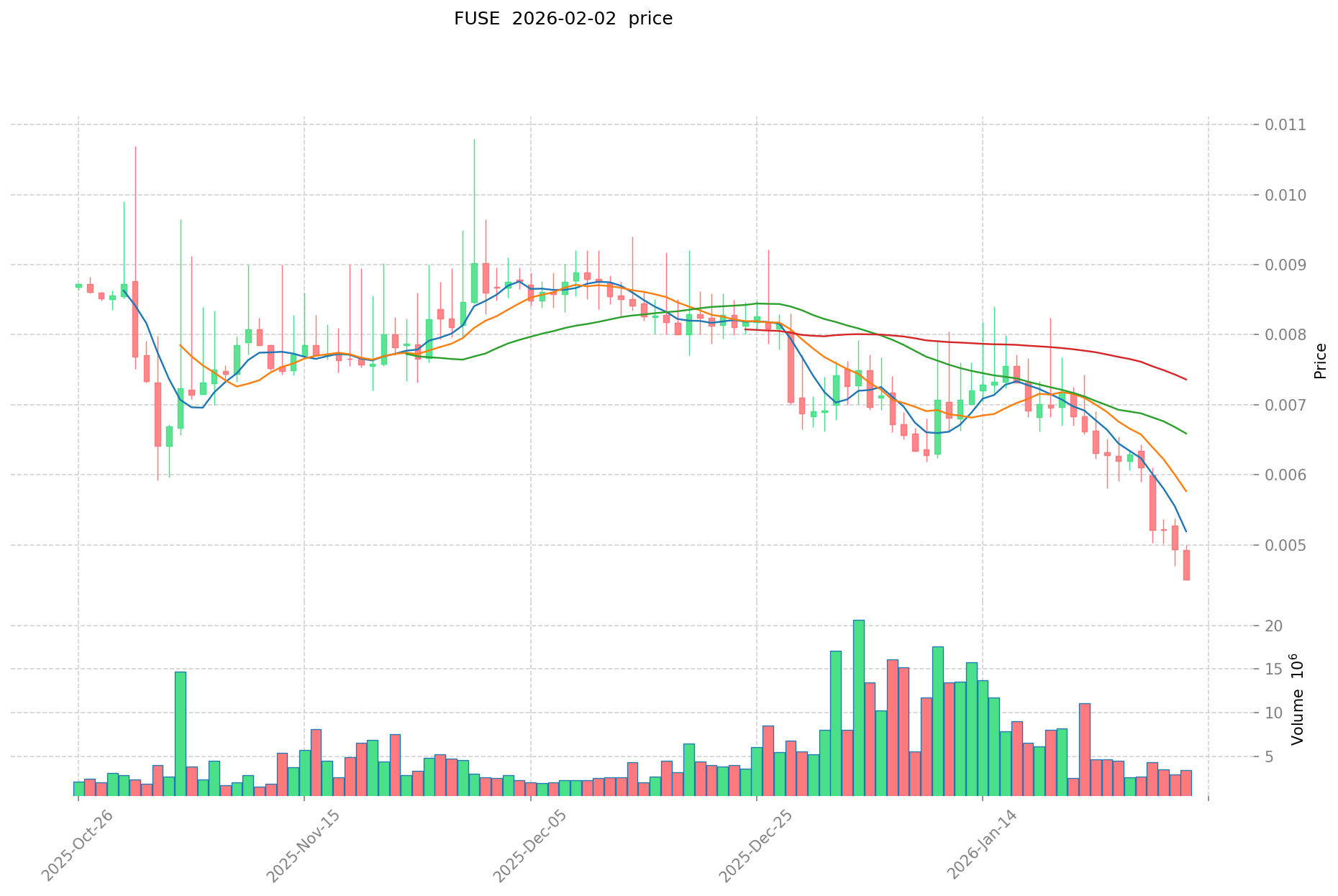
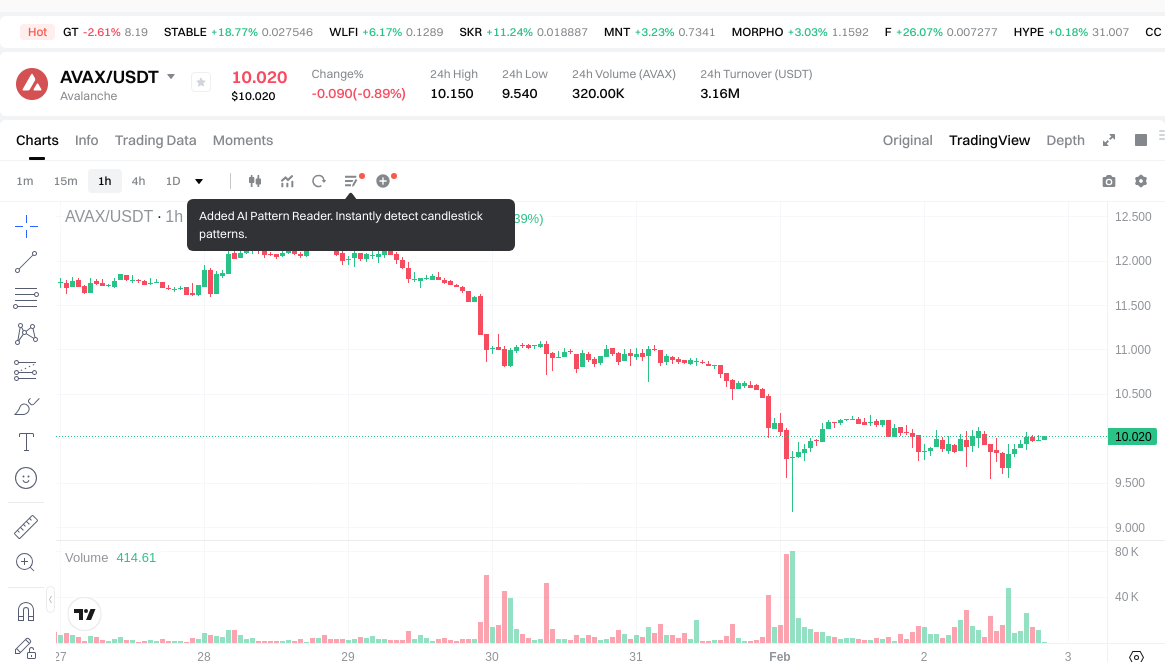
من خلال تحليل بيانات السوق بتاريخ 2 فبراير 2026، حيث تحتل FUSE المرتبة 2307 بسعر $0.00436 وAVAX المرتبة 28 بسعر $9.989، سنستكشف كيف تعكس هذه المواقع المختلفة أدوار كل منهما في السوق ومساراتهما المحتملة.
I. مقارنة الأسعار التاريخية والوضع الحالي للسوق
الاتجاهات التاريخية لسعر FUSE (العملة A) وAVAX (العملة B)
- 2022: شهدت FUSE تقلبات سعرية حادة، مع تغير الأسعار تأثرًا بظروف السوق العامة.
- 2021: استفادت AVAX من توسع نظامها البيئي واعتماد التمويل اللامركزي (DeFi)، محققة نموًا ملحوظًا في تلك الفترة.
- التحليل المقارن: خلال الدورات السوقية الأخيرة، تراجعت FUSE من $2.13 إلى أدنى مستوى لها عند $0.00412172، بينما انخفضت AVAX من أعلى سعر تاريخي $144.96 إلى المستويات الحالية قرب $9.989.
الوضع الراهن للسوق (2026-02-02)
- سعر FUSE الحالي: $0.00436
- سعر AVAX الحالي: $9.989
- حجم التداول خلال 24 ساعة: FUSE بقيمة $20,666.48 مقابل AVAX بقيمة $3,180,385.85
- مؤشر معنويات السوق (الخوف والطمع): 14 (خوف شديد)
عرض الأسعار اللحظية:
II. العوامل الأساسية المؤثرة في قيمة الاستثمار بين FUSE وAVAX
مقارنة آلية العرض (الرموز الاقتصادية)
- FUSE: صُممت آلية عرض الرمز لدعم تطوير النظام البيئي لمنصة الدفع اللامركزية على المدى الطويل، حيث تشكل الندرة ركيزة مهمة لقيمة الاستثمار.
- AVAX: تؤثر معنويات السوق والتحديثات التقنية، مثل تحديث Granite، في ديناميكيات العرض وأداء السعر للرمز.
- 📌 النمط التاريخي: تلعب آلية العرض دورًا في تحديد دورات الأسعار، حيث تؤثر نماذج الندرة والتوزيع في تقلب الأسواق.
اعتماد المؤسسات وتطبيقات السوق
- ممتلكات المؤسسات: لا تزال البيانات المتوفرة حول مراكز المؤسسات في FUSE محدودة، بينما شهدت AVAX مستويات متفاوتة من الاهتمام المؤسسي بتأثير من أوضاع السوق العامة.
- اعتماد الشركات: تركز FUSE على تطبيقات الدفع عبر الجوال وشبكات المجتمع، بينما تخدم AVAX التطبيقات اللامركزية في قطاعات متعددة. من شأن تبني الشركات لكلا الرمزين أن يعزز فرص الاستثمار فيهما.
- السياسات الوطنية: يبقى تأثير السياسات التنظيمية على آفاق الاستثمار في FUSE قيد التطوير المستمر، في حين تتأثر AVAX كذلك بالأطر التنظيمية المتغيرة على مستوى الولايات القضائية المختلفة.
تطوير التقنية وبناء النظام البيئي
- تحديثات FUSE التقنية: تركز المنصة على الأمان وثقة المستخدم من خلال بيئة تطبيقات لامركزية، وقد نالت اعترافًا من الجهات التنظيمية بفائدتها. التركيز على الدفع عبر الجوال وبنية الشبكات الاجتماعية يمثلان توجهين تقنيين رئيسيين.
- تطوير تقنية AVAX: تهدف التحديثات التقنية مثل Granite إلى تحسين أداء الشبكة وقابليتها للتوسع، ما قد يرفع من معدلات التبني ويغير من تصورات السوق.
- مقارنة النظام البيئي: تركز FUSE على الدفع عبر الجوال والشبكات المجتمعية، بينما تدعم AVAX نطاقًا أوسع من التطبيقات اللامركزية، بما في ذلك التمويل اللامركزي (DeFi) والعقود الذكية. كلا النظامين البيئيين في مراحل تطور مختلفة.
الظروف الكلية ودورات السوق
- الأداء في ظل التضخم: يتميز كلا الأصلين بتقلبات ملحوظة، ويتأثر أداؤهما بالاتجاهات العامة لسوق العملات الرقمية والعوامل الاقتصادية الكبرى.
- السياسة النقدية الكلية: تؤثر التغيرات في أسعار الفائدة وحركة مؤشر الدولار في سوق العملات الرقمية بشكل عام، ما ينعكس على FUSE وAVAX من خلال تغيرات معنويات السوق وتدفقات رؤوس الأموال.
- العوامل الجيوسياسية: ترفع الطلبات على المعاملات العابرة للحدود والتطورات الدولية من ديناميكيات السوق، لكن التأثيرات تختلف على كل من FUSE وAVAX حسب حالات الاستخدام ومواقع السوق.
III. توقعات الأسعار 2026-2031: FUSE مقابل AVAX
توقعات قصيرة الأجل (2026)
- FUSE: سيناريو متحفظ $0.00244216 - $0.004361 | سيناريو متفائل $0.004361 - $0.00571291
- AVAX: سيناريو متحفظ $6.0108 - $10.018 | سيناريو متفائل $10.018 - $10.41872
توقعات متوسطة الأجل (2028-2029)
- قد تدخل FUSE في مرحلة تجميع، مع نطاق سعري متوقع بين $0.0035364461055 - $0.007237726563375
- قد تدخل AVAX في مرحلة نمو، مع نطاق سعري متوقع بين $7.47983952 - $19.05676113708
- أهم الدوافع: تدفق رؤوس الأموال المؤسسية، تطورات صناديق المؤشرات (ETF)، توسع النظام البيئي
توقعات طويلة الأجل (2030-2031)
- FUSE: السيناريو الأساسي $0.00543556411747 - $0.006968671945475 | السيناريو المتفائل $0.006765700917937 - $0.010034887601484
- AVAX: السيناريو الأساسي $11.1637165823964 - $19.2827831877756 | السيناريو المتفائل $16.91472209454 - $26.803068631008084
شاهد توقعات الأسعار التفصيلية لـ FUSE وAVAX
تنويه: تستند التوقعات السعرية إلى تحليل البيانات التاريخية واتجاهات السوق. النتائج الواقعية قد تختلف بشكل كبير بسبب تقلبات السوق، والتغيرات التنظيمية، والتطورات التقنية، وعوامل أخرى غير متوقعة. هذه المعلومات للاطلاع فقط ولا تمثل نصيحة استثمارية.
FUSE:
| السنة |
القمة المتوقعة |
متوسط السعر المتوقع |
القاع المتوقع |
التغير السعري |
| 2026 |
0.00571291 |
0.004361 |
0.00244216 |
0 |
| 2027 |
0.0069509979 |
0.005036955 |
0.0035258685 |
15 |
| 2028 |
0.006593374095 |
0.00599397645 |
0.0035364461055 |
37 |
| 2029 |
0.007237726563375 |
0.0062936752725 |
0.003965015421675 |
44 |
| 2030 |
0.007171642973013 |
0.006765700917937 |
0.006562729890399 |
55 |
| 2031 |
0.010034887601484 |
0.006968671945475 |
0.00543556411747 |
59 |
AVAX:
| السنة |
القمة المتوقعة |
متوسط السعر المتوقع |
القاع المتوقع |
التغير السعري |
| 2026 |
10.41872 |
10.018 |
6.0108 |
0 |
| 2027 |
14.7144384 |
10.21836 |
6.0288324 |
1 |
| 2028 |
17.078966904 |
12.4663992 |
7.47983952 |
24 |
| 2029 |
19.05676113708 |
14.772683052 |
13.88632206888 |
47 |
| 2030 |
21.6508442810112 |
16.91472209454 |
11.1637165823964 |
68 |
| 2031 |
26.803068631008084 |
19.2827831877756 |
15.42622655022048 |
92 |
IV. مقارنة استراتيجيات الاستثمار: FUSE مقابل AVAX
استراتيجيات الاستثمار الطويلة مقابل القصيرة الأجل
- FUSE: قد تلائم المستثمرين المهتمين بتطور بنية الدفع عبر الجوال والشبكات المجتمعية الناشئة، بالنظر إلى مكانة المنصة في حلول الدفع اللامركزية.
- AVAX: قد تلائم من يسعون للتعرض لمنصات العقود الذكية الراسخة والتطبيقات الواسعة ضمن التمويل اللامركزي (DeFi) والتطبيقات اللامركزية.
إدارة المخاطر وتوزيع الأصول
- المستثمر المحافظ: FUSE %20 مقابل AVAX %80 – هذا التوزيع يعكس الترتيب السوقي الأعلى والسيولة الأكبر لـ AVAX مقارنة بـ FUSE.
- المستثمر الجريء: FUSE %40 مقابل AVAX %60 – التخصيص الأعلى لـ FUSE يناسب من يفضلون تقبل تقلبات أعلى مقابل نمو محتمل من أصول بقيمة سوقية أقل.
- أدوات التحوط: تخصيص العملات المستقرة لإدارة السيولة، استراتيجيات الخيارات للحماية من الهبوط، وتنويع الأصول لتقليل المخاطر المرتبطة بالأسواق.
V. مقارنة المخاطر المحتملة
مخاطر السوق
- FUSE: تقلبات سعرية كبيرة انعكست في الانخفاض من $2.13 إلى المستويات الحالية قرب $0.00436، مع حجم تداول محدود $20,666.48 ما يدل على سيولة منخفضة.
- AVAX: تقلبات من مستويات تاريخية $144.96 إلى $9.989 حاليًا، بدعم من حجم تداول أعلى بكثير $3,180,385.85، ما يشير إلى عمق سوق أفضل نسبيًا.
المخاطر التقنية
- FUSE: تحديات التوسع المتعلقة بتطوير بنية الدفع عبر الجوال ومتطلبات استقرار الشبكة لتطبيقات المجتمع.
- AVAX: كفاءة أداء الشبكة تعتمد على بروتوكول الإجماع، مع ضرورة التطوير المستمر للحفاظ على إنهاء المعاملات في ثانية واحدة مع توسع النظام البيئي.
المخاطر التنظيمية
- يخضع كلا الأصلين لأطر تنظيمية متطورة عبر الولايات القضائية. تركيز FUSE على المدفوعات قد يواجه تنظيمات خاصة بالدفع، بينما قد تخضع التطبيقات الأوسع لـ AVAX لقوانين الأوراق المالية والخدمات المالية. يختلف التأثير التنظيمي حسب كل حالة استخدام ونمط تبني جغرافي لكل منصة.
VI. الخلاصة: أيهما الخيار الأفضل للشراء؟
📌 ملخص قيمة الاستثمار:
- خصائص FUSE: تركز على بنية الدفع عبر الجوال والبنية المجتمعية بقيمة سوقية أقل، ما يعكس تركيزًا خاصًا في منظومة العملات الرقمية.
- خصائص AVAX: لديها حضور راسخ في منصات العقود الذكية ودعم نظام بيئي أوسع ضمن تطبيقات التمويل اللامركزي (DeFi)، مع ترتيب سوقي وسيولة تداول أعلى.
✅ اعتبارات استثمارية:
- المستثمرون الجدد: قد يبدأون بأصول ذات سيولة أعلى وأنظمة بيئية أكثر نضجًا، ما يسهل عمليات الدخول والخروج أثناء بناء الخبرة في سوق العملات الرقمية.
- المستثمرون ذوو الخبرة: يمكنهم تنويع محافظهم عبر شرائح القيمة السوقية وسيناريوهات الاستخدام المختلفة، لتحقيق توازن بين منصات راسخة ومشاريع بنية تحتية ناشئة.
- المستثمرون المؤسسيون: عليهم تقييم السيولة، والوضوح التنظيمي، ونضج النظام البيئي، ومدى توافق الأصل مع استراتيجيات محفظتهم العامة عند دراسة الاستثمار في أي من الأصلين.
⚠️ الإفصاح عن المخاطر: سوق العملات الرقمية شديد التقلب. هذا المحتوى للمعلومات فقط ولا يمثل نصيحة استثمارية. تظهر ظروف السوق بتاريخ 2 فبراير 2026 مؤشر خوف وطمع عند 14 (خوف شديد)، ما يعكس حالة عدم يقين عالية. يجب اتخاذ قرارات الاستثمار بناءً على الظروف الشخصية وتحمل المخاطر والعناية الواجبة.
VII. الأسئلة الشائعة
س1: ما هي الفروق الجوهرية بين FUSE وAVAX من حيث الاستخدامات الأساسية؟
تركز FUSE على بنية الدفع عبر الجوال والشبكات المجتمعية، أما AVAX فهي منصة عقود ذكية عامة تدعم تطبيقات التمويل اللامركزي (DeFi) المتنوعة. يستهدف FUSE حلول دفع ميسّرة للمجتمعات حول العالم مع ميزات ملائمة للمستخدمين منذ 2019. أما AVAX، التي أُطلقت في 2020، فتعمل كمنصة مفتوحة المصدر للتطبيقات اللامركزية مع بلوكشينات قابلة للتشغيل البيني وبروتوكول إجماع ثوري يحقق إنهاء المعاملات في ثانية واحدة. يعكس هذا التباين اختلاف الموقع السوقي: FUSE يستهدف حالات دفع وشبكات اجتماعية محددة، بينما تنافس AVAX في مجال منصات العقود الذكية متعددة الأغراض بجانب شبكات كبرى.
س2: كيف يقارن ترتيب القيمة السوقية والسيولة الحالية بين FUSE وAVAX؟
تظهر AVAX قيمة سوقية وسيولة أعلى بكثير مقارنة بـ FUSE، حيث تحتل المركز 28 مقابل 2307 لـ FUSE في 2 فبراير 2026. يوضح فرق حجم التداول اليومي هذا التباين: تسجل AVAX $3,180,385.85 مقابل $20,666.48 لـ FUSE أي ما يقرب من 154 ضعفًا. هذا الفرق الكبير يؤثر في عمق السوق وسهولة تنفيذ التداول وثبات الأسعار، إذ أن السيولة الأعلى تقلل من الانزلاق وتتيح معاملات أكبر دون أثر كبير في السعر، ما يجعل AVAX أكثر ملاءمة للتخصيص المؤسسي ويوفر آليات تسعير أكثر كفاءة.
س3: ما المخاطر التي يجب على المستثمرين أخذها في الاعتبار عند مقارنة FUSE وAVAX؟
كل أصل يواجه ملف مخاطر خاص به مرتبط بتقلب السوق، والتطوير التقني، والبيئات التنظيمية. تظهر FUSE تقلبًا سعريًا مرتفعًا (من $2.13 إلى $0.00436) مع سيولة محدودة قد تزيد من تذبذب الأسعار ومخاطر التنفيذ. أما AVAX، فرغم تراجعها من $144.96 إلى $9.989، إلا أن لديها أسواقًا أعمق ودعمًا بيئيًا أكبر. من الناحية التقنية، تحتاج FUSE إلى توسيع بنية الدفع مع الحفاظ على الثبات، وAVAX يجب أن تحافظ على كفاءة بروتوكول الإجماع وإنهاء المعاملات في ثانية واحدة مع توسع الاستخدامات. أما المخاطر التنظيمية فتختلف حسب التطبيقات – FUSE قد تواجه تنظيمات دفع خاصة، بينما تواجه AVAX أطر تمويل لامركزي وأوراق مالية أوسع عبر أسواق متعددة.
س4: كيف تختلف توقعات الأسعار للفترة 2026-2031 بين FUSE وAVAX؟
تُظهر التوقعات مسارات مختلفة تعكس اختلاف الموقع السوقي ومرحلة النمو. في 2026، تتراوح توقعات FUSE بين $0.00244216 و$0.00571291، بينما تتراوح AVAX بين $6.0108 و$10.41872. بحلول 2031، تمتد توقعات FUSE من $0.00543556411747 إلى $0.010034887601484 (بين السيناريو الأساسي والمتفائل)، فيما تتراوح AVAX بين $11.1637165823964 و$26.803068631008084. هذه التوقعات تأخذ في الحسبان تدفقات رؤوس الأموال المؤسسية وتطور صناديق المؤشرات وتوسع النظام البيئي، مع إمكانية اختلاف النتائج الفعلية بسبب تقلبات السوق والتغيرات التنظيمية والتطورات التقنية.
س5: ما استراتيجيات التوزيع الاستثماري الملائمة عند النظر في FUSE وAVAX؟
تتباين الاستراتيجيات حسب تحمل المخاطر والأهداف. قد يُوصى للمستثمر المحافظ بتوزيع %80 AVAX / %20 FUSE، مع التركيز على السيولة الأعلى والنظام البيئي الأكثر رسوخًا لـ AVAX، والحفاظ على حصة محدودة من FUSE. أما المستثمر الجريء فيمكنه تبني توزيع %60 AVAX / %40 FUSE، مع التعرض لنمو FUSE كبنية تحتية ناشئة. ينبغي أن تشمل الاستراتيجيات أدوات تحوط كالحفاظ على سيولة بالعملات المستقرة، واستخدام الخيارات للحماية من الهبوط، وتنويع الأصول للحد من مخاطر الارتباط. قد يفضل المستثمرون الجدد الأصول الأكثر سيولة، بينما يمكن للمخضرمين تنويع محافظهم عبر شرائح القيمة السوقية وسيناريوهات الاستخدام المختلفة.
س6: ما التطورات التقنية الأهم لمستقبل FUSE وAVAX؟
تختلف مسارات التطوير التقني بين المنصتين. تركز FUSE على الأمان وثقة المستخدم من خلال بيئة تطبيقات لامركزية مع الدفع عبر الجوال وتطوير البنية الاجتماعية. أما AVAX فتركز على تحسين الأداء عبر تحديثات مثل Granite لتعزيز التوسع مع الحفاظ على إنهاء المعاملات في ثانية واحدة. يدعم النظام البيئي لـ AVAX التطبيقات اللامركزية المتنوعة في التمويل اللامركزي (DeFi) والعقود الذكية والبلوكشينات القابلة للتشغيل البيني. تعكس هذه الأولويات اختلاف الموقع السوقي: FUSE يستهدف حلول دفع ميسّرة للمجتمعات، بينما تنافس AVAX كبنية بلوكشين عامة الأداء ومتعددة الاستخدامات.
س7: كيف تؤثر ظروف السوق في 2026 على التوقعات الاستثمارية لـ FUSE وAVAX؟
في 2 فبراير 2026، يظهر مؤشر الخوف والطمع عند 14 (خوف شديد)، ما يشير إلى حالة عدم يقين مرتفعة تطال الأصلين. تزيد السيولة المحدودة لـ FUSE (حجم تداول $20,666.48) من التقلبات وصعوبات التنفيذ في أوقات التوتر، بينما توفر AVAX ($3,180,385.85) استقرارًا أفضل نسبيًا، إلا أن كلا الأصلين يخضع لتوجهات السوق العامة. تاريخيًا، سبق الخوف الشديد فترات هبوط طويلة وأحيانًا تعافيات قوية. من الحكمة الأخذ في الحسبان هذه الدورات؛ فاستراتيجيات متوسط التكلفة قد تساعد في إدارة المخاطر في أوقات التذبذب. قد تؤثر أساسيات كل منصة – تطور بنية الدفع في FUSE وتوسع النظام البيئي في AVAX – في القيمة المتوسطة الأجل بمعزل عن تقلبات المعنويات الآنية.
* لا يُقصد من المعلومات أن تكون أو أن تشكل نصيحة مالية أو أي توصية أخرى من أي نوع تقدمها منصة Gate أو تصادق عليها .