By the third week of the war, the game had completely changed.
Week one: Iran got bombed. The US and Israel went on a bombing spree, thinking it would be over in three days. But Iran fired missiles anyway, closed the strait, and oil prices took off.
Week two: Iran started hitting its stride. Drones for air defense systems, missiles hitting bases, and Gulf states began to panic. The US discovered it didn't have enough bombs. Patriot inventory hit rock bottom, and tankers got shot down.
Week three: Now both sides are preparing their trump cards.
Iran says it's opening "new fronts"—not a bluff. The Strait of Hormuz controls twenty percent of global oil. Another oil price spike and Americans will revolt domestically. Khamenei drops hints about "new cards on the table"—could be cyber warfare, special ops, or just unleashing all the proxies: Houthis blockading the Red Sea, Hezbollah moving north, Iraqi militias hitting bases.
The US side is even more awkward.
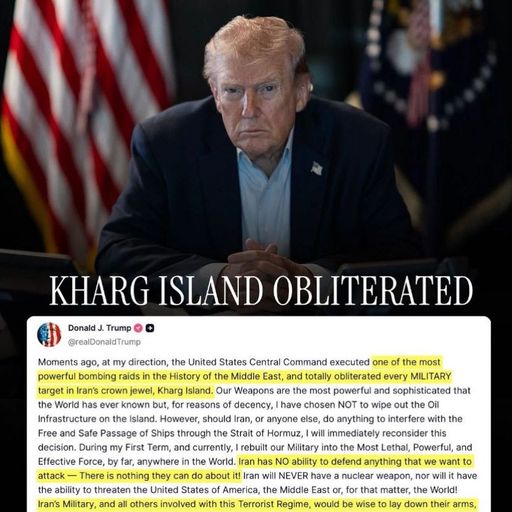
Trump shouted "epic victory," but Iran just keeps fighting stronger. The Pentagon admits it has no plan for strait closure. The Energy Secretary got caught lying by the market. The Treasury Secretary met the President with a trembling voice. Gas prices at home are rising, midterms are coming, and the Republican party is fracturing internally.
Iran's cruelest weapon is this "death by a thousand cuts" strategy. No decisive battle, just attrition.
Your Patriot costs a billion per unit, my drone costs five grand per piece—does it hurt you?
Your interceptors fire once and they're gone, my missiles can keep being made.
Time is on my side, pressure is on yours.
The Gulf states are now in a bind.
American bases are both lifelines and nooses. Iran warns daily about "closing bases," and America can't protect them anyway.
Saudi Arabia and UAE are pulling capital. Dubai banks are fleeing, capital flight faster than missiles.
By now, this war isn't about who bombs more—it's about who can sustain it longer.
Iran wants "not losing equals winning." America needs "must win."
Different mentality, different tactics, different outcome.





By the third week of the war, the game had completely changed.
Week one: Iran got bombed. The US and Israel went on a bombing spree, thinking it would be over in three days. But Iran fired missiles anyway, closed the strait, and oil prices took off.
Week two: Iran started hitting its stride. Drones for air defense systems, missiles hitting bases, and Gulf states began to panic.
The US discovered it didn't have enough bombs. Patriot inventory hit rock bottom, and tankers got shot down.
Week three: Now both sides are preparing their trump cards.
Iran says it's opening "new fronts"—not a bluff. The Strait of Hormuz controls twenty percent of global oil. Another oil price spike and Americans will revolt domestically. Khamenei drops hints about "new cards on the table"—could be cyber warfare, special ops, or just unleashing all the proxies: Houthis blockading the Red Sea, Hezbollah moving north, Iraqi militias hitting bases.
The US side is even more awkward.
Trump shouted "epic victory," but Iran just keeps fighting stronger.
The Pentagon admits it has no plan for strait closure. The Energy Secretary got caught lying by the market. The Treasury Secretary met the President with a trembling voice. Gas prices at home are rising, midterms are coming, and the Republican party is fracturing internally.
Iran's cruelest weapon is this "death by a thousand cuts" strategy. No decisive battle, just attrition.
Your Patriot costs a billion per unit, my drone costs five grand per piece—does it hurt you?
Your interceptors fire once and they're gone, my missiles can keep being made.
Time is on my side, pressure is on yours.
The Gulf states are now in a bind.
American bases are both lifelines and nooses. Iran warns daily about "closing bases," and America can't protect them anyway.
Saudi Arabia and UAE are pulling capital. Dubai banks are fleeing, capital flight faster than missiles.
By now, this war isn't about who bombs more—it's about who can sustain it longer.
Iran wants "not losing equals winning." America needs "must win."
Different mentality, different tactics, different outcome.