

Trade
Basic
Futures
Futures
Hundreds of contracts settled in USDT or BTC
Options
HOT
Trade European-style vanilla options
Unified Account
Maximize your capital efficiency
Demo Trading
Futures Kickoff
Get prepared for your futures trading
Futures Events
Participate in events to win generous rewards
Demo Trading
Use virtual funds to experience risk-free trading
Earn
Launch
CandyDrop
Collect candies to earn airdrops
Launchpool
Quick staking, earn potential new tokens
HODLer Airdrop
Hold GT and get massive airdrops for free
Launchpad
Be early to the next big token project
Alpha Points
NEW
Trade on-chain assets and enjoy airdrop rewards!
Futures Points
NEW
Earn futures points and claim airdrop rewards
Investment
Simple Earn
Earn interests with idle tokens
Auto-Invest
Auto-invest on a regular basis
Dual Investment
Buy low and sell high to take profits from price fluctuations
Soft Staking
Earn rewards with flexible staking
Crypto Loan
0 Fees
Pledge one crypto to borrow another
Lending Center
One-stop lending hub
VIP Wealth Hub
Customized wealth management empowers your assets growth
Private Wealth Management
Customized asset management to grow your digital assets
Quant Fund
Top asset management team helps you profit without hassle
Staking
Stake cryptos to earn in PoS products
Smart Leverage
NEW
No forced liquidation before maturity, worry-free leveraged gains
GUSD Minting
Use USDT/USDC to mint GUSD for treasury-level yields

More

Trending Topics
View More3.66K Popularity
6.72K Popularity
24.96K Popularity
11.05K Popularity
146.96K Popularity




Pin
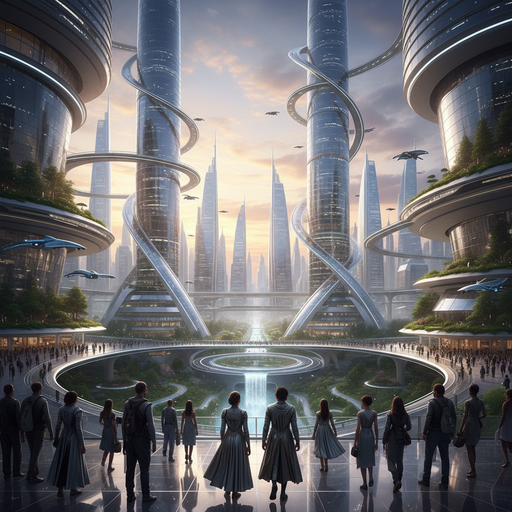
GameFi Winter or Web2.5 Boom? How Hybrid Gaming Models Are Reshaping the $55B Crisis
The gaming sector’s embrace of hybrid infrastructure marks a pivotal shift in crypto gaming’s evolution. While traditional GameFi projects hemorrhage capital—with funding plummeting 55% year-over-year throughout 2025—a new generation of studios is redefining what blockchain-based games actually mean.
The Web2.5 Shift: Beyond Token Hype
The fundamental problem wasn’t blockchain technology itself, but how early GameFi implementations deployed it. Projects prioritized token speculation over gameplay quality, creating a cycle of unsustainable tokenomics and player churn. Meanwhile, infrastructure remained constrained, onboarding friction stayed high, and competing traditional gaming studios shipped objectively better products.
Enter Web2.5 games. Unlike pure Web3 applications, these platforms leverage blockchain selectively—embedding it in backend systems for payments, economy management, and engagement tracking while maintaining polished, Web2-standard user experiences. Token mechanics recede into the background; actual gaming takes center stage.
Real Players, Real Revenue
Studios pioneering this approach demonstrate the model’s viability. Wemade, Fumb Games, and Mythical Games have each generated meaningful revenue streams by prioritizing gameplay depth over coin speculation. Users play because the game is fun, not because they’re chasing quick ROI. This fundamental reorientation attracts actual gamers rather than financial speculators.
The economics work: when players enjoy the experience, engagement metrics climb. Higher engagement scales to monetization through cosmetics, battle passes, and optional in-game purchases—revenue streams that don’t collapse when token prices dip.
Stablecoins: The Infrastructure Layer Nobody Talked About
What makes Web2.5 economically sound? Stablecoins functioning as the payment backbone. Microtransactions settle instantly without custodial wallets, cross-border payments cost cents rather than dollars, and price volatility becomes irrelevant to end users. Players in Southeast Asia, Latin America, and Eastern Europe can transact in local economic value without exposure to crypto’s notorious swings.
This infrastructure advantage—often overlooked in hype cycles—quietly becomes a moat. Traditional gaming companies struggle with payment rails; Web2.5 studios inherit global, censorship-resistant, low-cost settlement by default.
The 2025 funding collapse isn’t a crisis. It’s market discipline, finally separating sustainable models from speculative theater. The winners won’t be projects with the flashiest token mechanics. They’ll be the ones who remembered: games are entertainment first, economies second.