

Trade
Basic
Futures
Futures
Hundreds of contracts settled in USDT or BTC
TradFi
Gold
Trade global traditional assets with USDT in one place
Options
Hot
Trade European-style vanilla options
Unified Account
Maximize your capital efficiency
Demo Trading
Futures Kickoff
Get prepared for your futures trading
Futures Events
Participate in events to win generous rewards
Demo Trading
Use virtual funds to experience risk-free trading
Earn
Launch
CandyDrop
Collect candies to earn airdrops
Launchpool
Quick staking, earn potential new tokens
HODLer Airdrop
Hold GT and get massive airdrops for free
Launchpad
Be early to the next big token project
Alpha Points
Trade on-chain assets and enjoy airdrop rewards!
Futures Points
Earn futures points and claim airdrop rewards
Investment
Simple Earn
Earn interests with idle tokens
Auto-Invest
Auto-invest on a regular basis
Dual Investment
Buy low and sell high to take profits from price fluctuations
Soft Staking
Earn rewards with flexible staking
Crypto Loan
0 Fees
Pledge one crypto to borrow another
Lending Center
One-stop lending hub
VIP Wealth Hub
Customized wealth management empowers your assets growth
Private Wealth Management
Customized asset management to grow your digital assets
Quant Fund
Top asset management team helps you profit without hassle
Staking
Stake cryptos to earn in PoS products
Smart Leverage
New
No forced liquidation before maturity, worry-free leveraged gains
GUSD Minting
Use USDT/USDC to mint GUSD for treasury-level yields

More





Life and death in 72 hours! The decisive factor that will determine the market trend moving forward
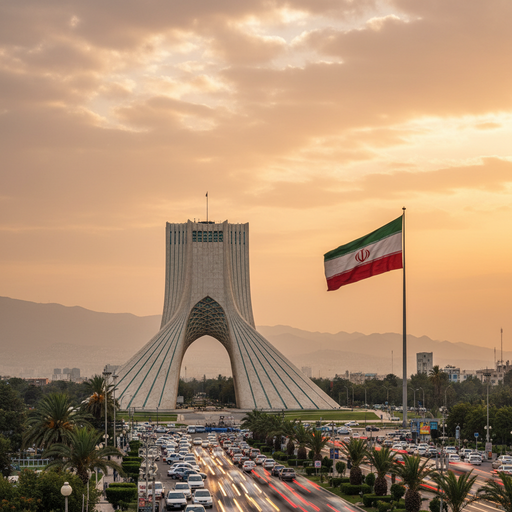
The Strait of Hormuz is experiencing the most severe de facto blockade in history.
After the “Epic Fury” joint military operation on February 28, 2026, the Iranian Revolutionary Guard broadcasted on VHF Channel 16 to all passing ships, “No vessels are allowed to pass through the Strait of Hormuz,” causing a sudden 70% drop in traffic within 48 hours.
As of March 1, over 150 oil tankers and LNG ships are anchored in the open waters of the Persian Gulf, and about 170 container ships (totaling 450,000 TEU, accounting for 1.4% of global capacity) are stranded inside the bay.
However, Tehran has not issued an official blockade order—Foreign Minister Araghchi stated on Al Jazeera that “there is currently no intention to close the strait.”
This seemingly contradictory signal actually constitutes a sophisticated gray-zone strategy: without the need for mine-laying to block the route, low-cost deterrence alone is enough to effectively paralyze the world’s most critical energy chokepoint.