

Trade
Basic
Futures
Futures
Hundreds of contracts settled in USDT or BTC
TradFi
Gold
Trade global traditional assets with USDT in one place
Options
Hot
Trade European-style vanilla options
Unified Account
Maximize your capital efficiency
Demo Trading
Futures Kickoff
Get prepared for your futures trading
Futures Events
Participate in events to win generous rewards
Demo Trading
Use virtual funds to experience risk-free trading
Earn
Launch
CandyDrop
Collect candies to earn airdrops
Launchpool
Quick staking, earn potential new tokens
HODLer Airdrop
Hold GT and get massive airdrops for free
Launchpad
Be early to the next big token project
Alpha Points
Trade on-chain assets and enjoy airdrop rewards!
Futures Points
Earn futures points and claim airdrop rewards
Investment
Simple Earn
Earn interests with idle tokens
Auto-Invest
Auto-invest on a regular basis
Dual Investment
Buy low and sell high to take profits from price fluctuations
Soft Staking
Earn rewards with flexible staking
Crypto Loan
0 Fees
Pledge one crypto to borrow another
Lending Center
One-stop lending hub
VIP Wealth Hub
Customized wealth management empowers your assets growth
Private Wealth Management
Customized asset management to grow your digital assets
Quant Fund
Top asset management team helps you profit without hassle
Staking
Stake cryptos to earn in PoS products
Smart Leverage
New
No forced liquidation before maturity, worry-free leveraged gains
GUSD Minting
Use USDT/USDC to mint GUSD for treasury-level yields

More


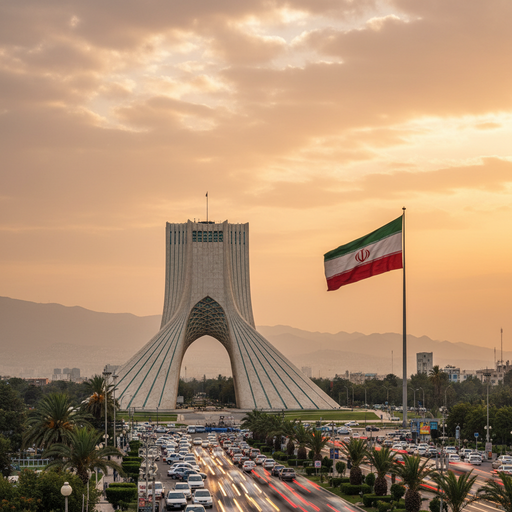




The US-Iran conflict triggers a chain reaction: US gasoline prices are about to soar. Will inflation flare up again?
As tensions escalate between the United States and Iran, a major oil producer, global oil prices have already surged significantly this Monday. Wall Street analysts expect retail gasoline prices in the U.S. to rise accordingly—potentially triggering a chain reaction of inflationary pressures.
For President Trump and the Republican Party, who are approaching the midterm elections in November, this could pose a major political risk, as rising prices are currently the top concern for voters.
U.S. Gasoline Prices Will Rebound Above $3
Analyst Patrick De Haan from retail price tracking firm GasBuddy predicts that the average retail gasoline price in the U.S. could break the $3 per gallon mark for the first time this year on Monday. According to GasBuddy data, the last time gasoline prices exceeded $3 nationwide was in November 2025.
“Oil prices will lead the way. Gasoline prices will follow— but it will be a gradual process,” De Haan stated in a blog post.
Iran, one of the world’s major oil suppliers, announced that it has closed the Strait of Hormuz shipping lane after the U.S. and Israel launched airstrikes that resulted in the death of Iran’s top leader, Khamenei.
The Strait of Hormuz is a critical chokepoint in the Middle East Gulf region, through which about one-fifth of the world’s oil is transported by tankers. At least three oil tankers have been damaged in the region, and major shipping companies have indicated they will avoid the strait.
This conflict caused U.S. WTI crude oil and global benchmark Brent crude to surge sharply on Monday. Some analysts boldly predict that, with the conflict intensifying, Brent crude could even reach $100 per barrel in the future.
Unfavorable Outcome for Trump
This is definitely not good news for Trump. Since taking office last year, he has touted falling U.S. gasoline prices as one of his achievements. However, rising U.S. crude oil prices will inevitably lead to higher gasoline prices.
Bob McNally, president of energy consulting firm Rapidan Energy Group, said that so far, the White House seems willing to accept the political risks of rising oil prices to achieve its foreign policy goals.
“They are aware of the risks, and I expect they will focus on shortening the time Iran controls the flow of energy through the Strait of Hormuz,” he said.
McNally also mentioned that the White House might signal a willingness to release oil from the Strategic Petroleum Reserve to prevent gasoline prices from becoming too high.
The U.S. last released oil from its Strategic Petroleum Reserve in 2022, when then-President Biden authorized a large release to cope with soaring prices amid the Russia-Ukraine conflict. At that time, Trump and other Republicans strongly criticized the move.
U.S. Gasoline Prices Have Already Started Rising
De Haan noted that gasoline prices in the U.S. had already begun to rise gradually before the recent Iran tensions. Over the past few weeks, as temperatures increased, U.S. refineries started producing more expensive summer-grade fuel to reduce air pollution during hot weather, in compliance with environmental regulations.
In the coming months, gasoline demand is expected to rebound, especially during the summer holiday season when demand typically peaks.
“If the situation in the Persian Gulf remains peaceful, we originally expected U.S. gasoline prices to rise to $3.10–$3.25 per gallon. But now, prices will quickly reach that level and may go higher,” said Tom Kloza, senior advisor at Gulf Oil.
He added that a $5 per barrel increase in crude oil prices would raise U.S. gasoline and diesel prices by about 12 cents per gallon. Currently, some U.S. gasoline suppliers have already increased wholesale prices by 25 cents per gallon.
(Source: Caixin)