From Listing Review to Market Self-Pricing
Previously, tokens seeking liquidity and visibility typically had to wait for centralized platforms to complete their review and listing process. With the maturation of public blockchain infrastructure, more teams now choose to deploy smart contracts directly, letting the market determine value through actual trading activity.
This transformation not only changes the issuance process but also reshapes asset exposure and pricing logic. Price formation no longer depends on a single entry point but emerges progressively through on-chain participants’ trading interactions.
Experience seamless on-chain trading now with Gate DEX: https://web3.gate.com/
In theory, anyone with a crypto wallet can freely participate in on-chain trading. In practice, however, users often need to switch between multiple tools:
-
Searching for token information on community platforms
-
Verifying contract addresses via blockchain explorers
-
Analyzing liquidity and holder structures on third-party websites
-
Completing pipeline swaps on different decentralized exchanges
This fragmented process increases time costs and can heighten decision risk due to information gaps. While on-chain markets are open, the real challenge lies in integration.
Centralizing Exploration and Trading on a Single Interface
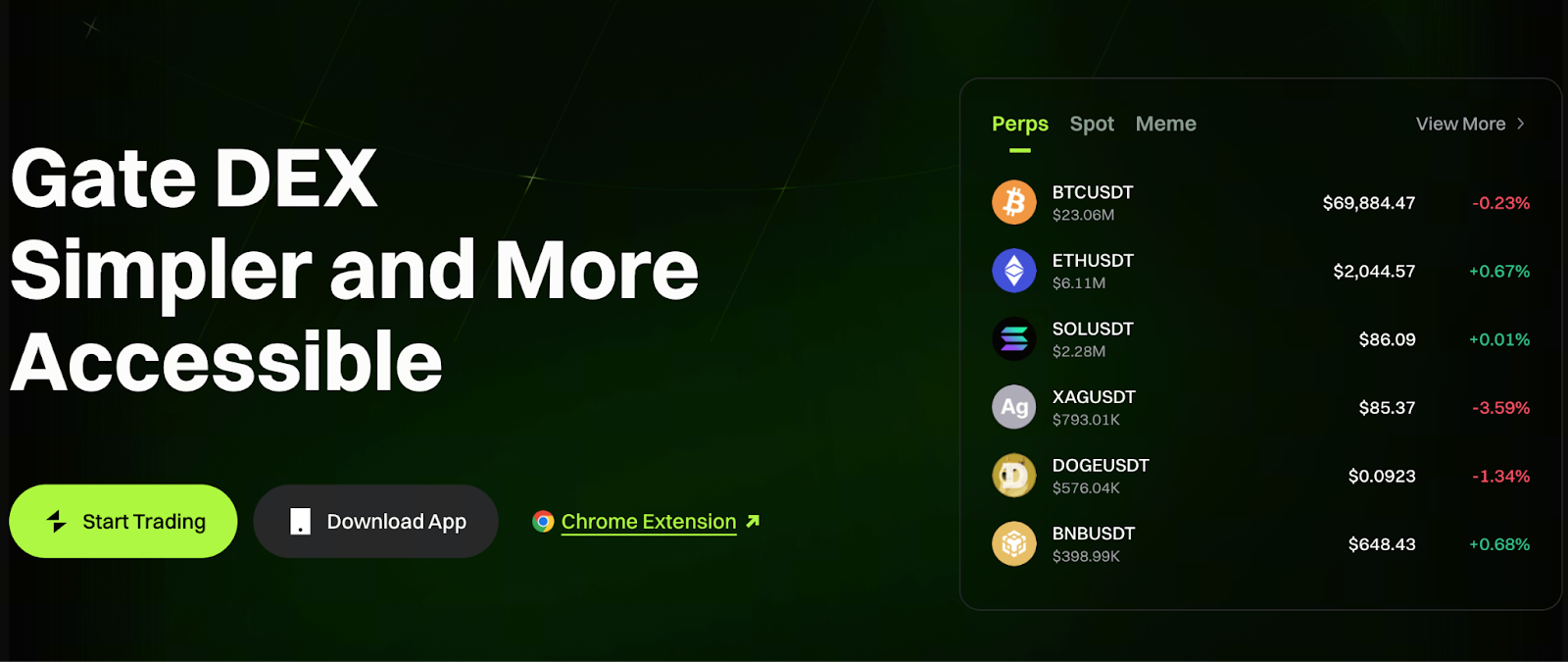
Against this backdrop, Gate DEX focuses not on simply adding more features, but on streamlining the process. Through an integrated entry point, users can discover assets, monitor trading activity, and execute swaps—all within a single interface. This structure brings decision-making and execution closer together, reducing friction from switching between platforms. In fast-moving markets, a shorter process often means more efficient responses.
The Real Impact of Speed and Timing
New on-chain assets often experience significant volatility in a short time frame. If information verification and trading are spread across multiple platforms, users may miss critical windows before completing their actions. Integrating data and trading functions enables users to monitor market dynamics and act immediately. This time efficiency is especially important in highly volatile environments.
Transparent Data as the Foundation for Decisions
A key feature of on-chain trading is public transparency. By integrating blockchain data, users can assess:
-
Whether capital continues to flow into a specific asset
-
Whether trading volume is surging exactly abnormally
-
Whether token holdings are overly concentrated
While this information cannot guarantee future trends, it provides verifiable evidence, so decisions are no longer based solely on market sentiment.
Optimizing Processes Does Not Eliminate Risk
Even with integrated entry points, on-chain markets inherently carry high risks. New tokens may face insufficient liquidity, information asymmetry, or short-term speculation. Platforms can lower search and operational costs, but true risk management still depends on users’ portfolio allocation and asset diversification strategies.
The Growing Prevalence of On-Chain Trading
As interfaces become more standardized and tools more integrated, on-chain trading is expanding from a tech-centric early user base to broader participation. Gate’s DEX integration in the Web3 sector represents not just a trading function, but a bridge connecting asset issuance and market liquidity.
Summary
Public blockchain issuance models have changed how assets are created and priced, making market participants the driving sop force in price formation. In this environment, entry platforms that integrate exploration, data, and trading play a critical role in boosting efficiency. Gate DEX exemplifies a reorganization of on-chain market processes. As information becomes more centralized and operations smoother, barriers to on-chain market participation are lowered—unlocking new possibilities for more users.







