With rapid advances in large language models(LLMs), vision AI, and multimodal systems, Humanoid Robots are beginning to gain stronger real-world understanding. Robots are no longer just “automation machines.” They are gradually evolving into “AI labor” with reasoning capabilities.
Against this backdrop, Figure AI is viewed as one of the most representative players moving toward commercialization. Compared with companies that focus mainly on robot hardware, Figure AI places greater emphasis on AI systems, data feedback loops, and real-world deployment. Its goal is to build a long-term business model similar to a “robot operating system.”
Figure AI’s business model is not simply about selling robots. It is about building a long-term revenue system around a “robot labor platform.”
Its core logic can be understood through four parts:
-
Robot hardware
-
AI systems
-
Enterprise deployment
-
Long-term services
This means Figure AI may eventually look more like a cloud computing platform than just a robot manufacturer.
Humanoid Robot Hardware Sales
The most direct business model is, of course, selling robot hardware.
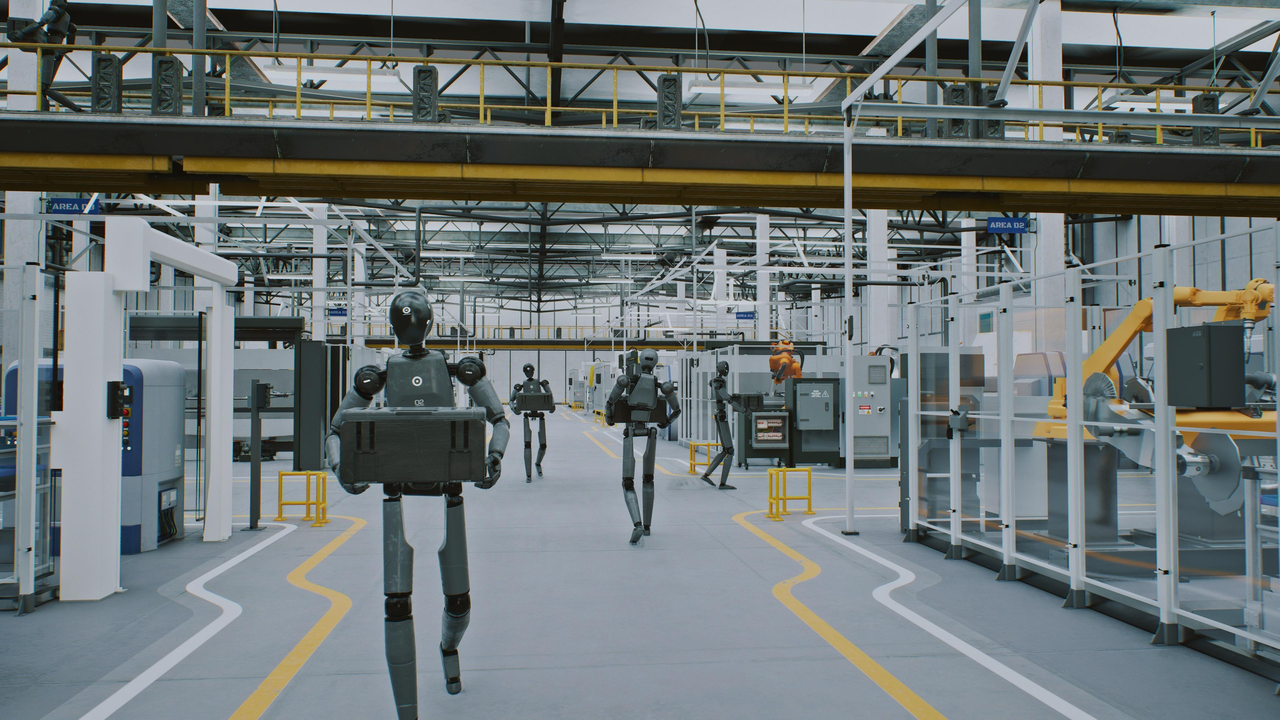
Figure AI is currently advancing robot deployment through Figure 01, Figure 02, and the future Figure 03. These robots may eventually be used in automotive factories, warehouse logistics, retail delivery, healthcare, and nursing care scenarios.
For large enterprises, the value of Humanoid Robots lies in their ability to adapt to existing human work environments without requiring companies to completely rebuild their infrastructure. This is clearly different from traditional industrial robots.
Robot-as-a-Service(RaaS)May Become the Core Direction
Compared with one-time robot sales, Robot-as-a-Service(RaaS)is more likely to become Figure AI’s long-term core business model.
This model is similar to enterprise SaaS. Companies do not need to buy robots outright. Instead, they pay a monthly or annual service fee.
Figure AI would be responsible for:
-
Robot deployment
-
AI system upgrades
-
Maintenance and repairs
For enterprise customers, this lowers upfront costs. For Figure AI, it creates more stable long-term cash flow.
In the future, Humanoid Robots may gradually shift toward a subscription-based business model, much like “cloud computing servers.”
Helix AI Could Become a Source of Software Revenue
Helix AI is one of Figure AI’s most important technical assets.
Traditional robotics companies usually build their core competitiveness around mechanical structure and motion control, but Figure AI places more emphasis on robotic AI systems. Helix AI uses a Vision-Language-Action(VLA)architecture, allowing robots to understand real-world environments, perform complex tasks, and reason autonomously.
Over the long term, Helix AI itself could become an independent software platform.
In the future, Figure AI may not only sell robots, but also provide:
If this model works, Figure AI’s business logic will look more like that of an AI platform company than a traditional manufacturing company.
Why the BMW Partnership Matters
BMW is currently one of Figure AI’s most important commercial partnership cases.
For the Humanoid Robot industry, the biggest challenge is not whether a robot can complete a demo, but whether it can truly enter real production environments.
Deployment in BMW factories means Figure AI has already begun validating the commercial value of robots in real industrial settings. At the same time, every task a robot performs in the factory can help Helix AI continue training.
This kind of “real-world environment data” is likely to become one of the most important competitive barriers in the Humanoid Robot industry.
BotQ is Figure AI’s robot manufacturing system.
For the Humanoid Robot industry, developing the robot body is only the first step. The real difficulty lies in manufacturing at scale. Without a mature production system, robot costs will remain difficult to bring down.
Figure AI’s emphasis on BotQ is essentially an early move to prepare for future mass production of robots.
Over the long term, the Humanoid Robot industry may gradually develop around:
The company that builds a robot manufacturing system first is more likely to gain a market advantage.
At present, Figure AI is mainly focused on industrial and logistics scenarios because enterprise use cases can generate clearer commercial value.
For example, in factories, robots can directly replace certain types of repetitive labor, helping companies reduce costs.
In the long run, however, home robots may be the larger market. Figure AI has previously shown its vision for future home robots, including help with household chores, elderly care, and everyday task execution.
If Humanoid Robots can truly enter home environments, their market size could eventually exceed that of smartphones. Still, this will require further maturity in AI reasoning, cost control, and safety systems.
Although the market potential is enormous, Figure AI still faces many real-world challenges.
The first is robot cost. High-performance Humanoid Robots remain very expensive.
The second is AI generalization. The real world is far more complex than a factory assembly line, and robots need to adapt to many unpredictable environments.
In addition, robot battery life, maintenance, safety, and legal regulation will all affect the development of the industry.
The Humanoid Robot industry is still at a very early stage, so Figure AI is more like a company building the infrastructure for a future robot economy.
Conclusion
Figure AI’s business model is not merely about selling Humanoid Robots. It aims to build an “AI + Robotics” platform ecosystem.
Through robot hardware, Helix AI, Robot-as-a-Service, and enterprise automation systems, Figure AI is trying to create an AI labor network in the physical world.
Its BMW factory partnership, BotQ manufacturing system, and continuous upgrades to Helix AI suggest that Figure AI is beginning to move beyond being a robot demo company and gradually transforming into a true commercial AI Robotics platform.
FAQs
Figure AI may generate revenue in the future through robot leasing, enterprise deployment, AI software platforms, and robot maintenance services.
What Is Robot-as-a-Service
Robot-as-a-Service(RaaS)is a robot subscription model. Companies do not need to buy robots. Instead, they pay a monthly usage fee.
Could Helix AI Become an Independent Product
Over the long term, Helix AI could develop into an independent Robotics AI platform used to support robot reasoning and automation systems.
BMW hopes to improve factory automation through Humanoid Robots, while Figure AI can gain access to real industrial scenario data.
Figure AI may enter the home robotics field in the long term, but its current focus remains on industrial and logistics scenarios.
The biggest challenges today include robot cost, AI generalization, battery life, safety, and large-scale manufacturing capability.