DeFi and RWA Integration Is Accelerating
In recent years, Real World Assets (RWA) have increasingly become a major focus in the blockchain sector. These assets—such as bonds, loans, or other traditional financial products—are brought on-chain through tokenization. Against this backdrop, a new protocol called 3F has emerged, aiming to address a critical challenge: how to simplify leveraged investing in RWA.
What Is 3F?
 (Source: 3f_xyz)
3F is a vault protocol built on Morpho. Its core functionality enables users to select specific RWA assets, set their desired leverage, and have the system automatically execute the entire investment process. Users can establish leveraged positions without manually navigating multiple trading steps.
The Complexity of Traditional Methods
In DeFi, building leveraged positions typically involves a process known as looping:
-
Buy assets
-
Use assets as collateral
-
Borrow funds
-
Buy assets again
This cycle is repeated to amplify exposure.
However, when the underlying assets are RWA, challenges arise—such as longer settlement times (e.g., T+1), waiting for each transaction, and entry or exit potentially taking days or even weeks. This results in lower efficiency and increased market risk.
How Does 3F Address This Issue?
3F is designed to automate and integrate the investment process. Its operation can be summarized as follows:
-
Acquire assets using short-term funds
-
Deposit assets into Morpho as collateral
-
Borrow stablecoins to repay the initial funds
-
Complete the entire process within a single settlement cycle
This approach consolidates what was once a multi-step process into a single transaction.
How 3F Differs from Traditional DeFi
While professional institutions currently employ similar strategies, these are generally executed manually—making them complex, costly, and error-prone. 3F lowers the operational barrier, enhances efficiency, and reduces human error.
Opportunities and Risks of Leverage
While leverage can boost returns, it also introduces risks:
Potential Advantages
For example:
If asset returns are 6% and financing costs are 4%, using higher leverage can result in greater overall returns.
Potential Risks
-
Rising borrowing costs can compress profits
-
Asset liquidity and settlement constraints
-
Smart contract risks
-
Regulatory and credit risks
3F's Funding and Investment Background
 (Source: 3f_xyz)
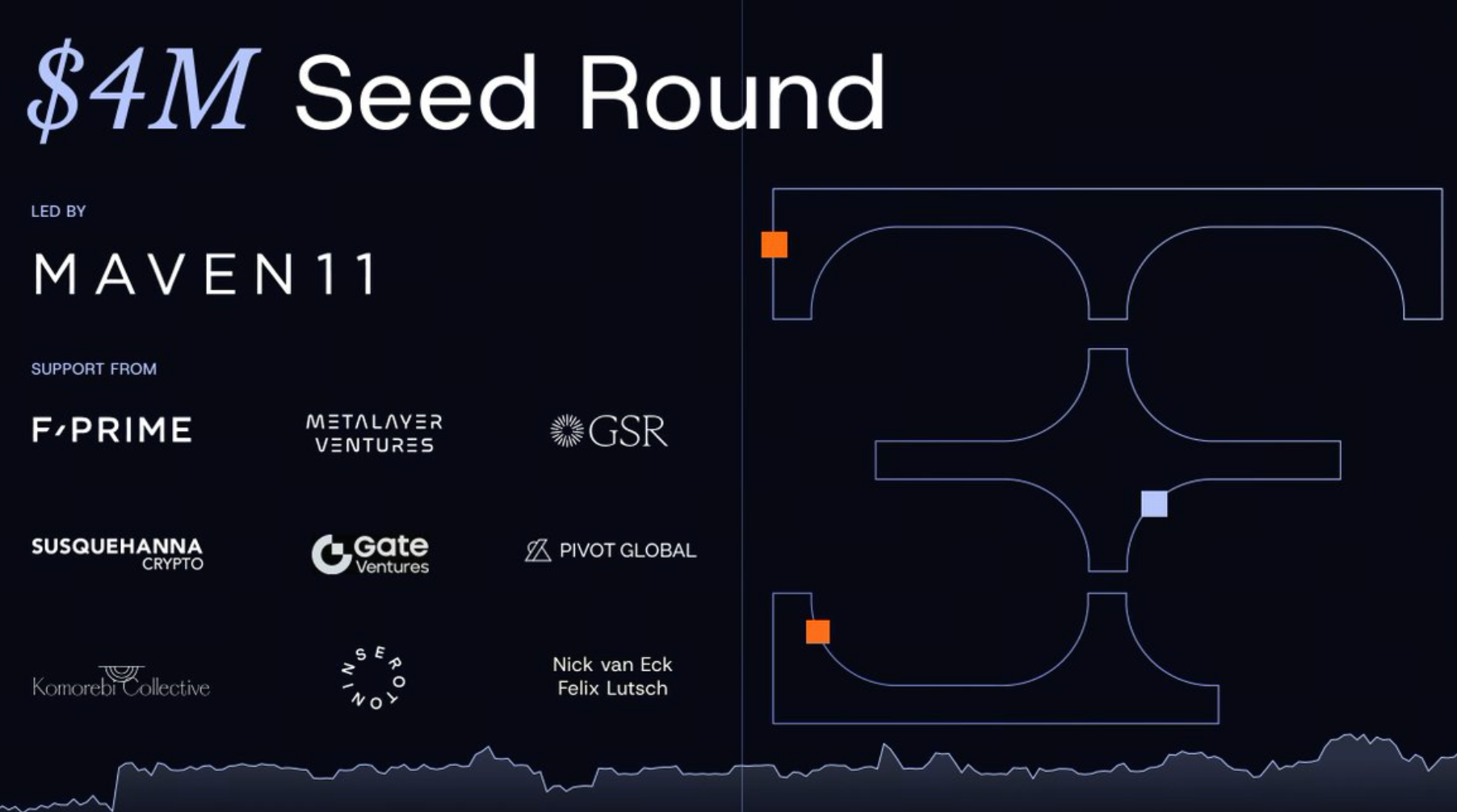
3F has raised a total of $4 million in funding across two rounds:
-
Pre-seed: $750,000
-
Seed: $3.3 million
Investors include Maven 11 (lead investor), F-Prime Capital, Susquehanna Crypto, GSR, and Gate Ventures. Early investors also feature prominent figures in the DeFi space, such as Rune Christensen.
Business Model and Future Plans
3F generates revenue from management fees (based on assets under management) and performance fees (based on leveraged returns). The team currently numbers around six members, with plans to expand in credit assessment, technology development, and security. The product’s Private Beta is underway, with an official launch expected in the second quarter.
Summary
3F seeks to streamline complex DeFi leverage operations, particularly by offering a more efficient investment solution for RWA. As the tokenization of real-world assets accelerates, tools like this may become vital bridges between traditional finance and DeFi. However, while pursuing higher returns, understanding the risks associated with leverage remains essential.







