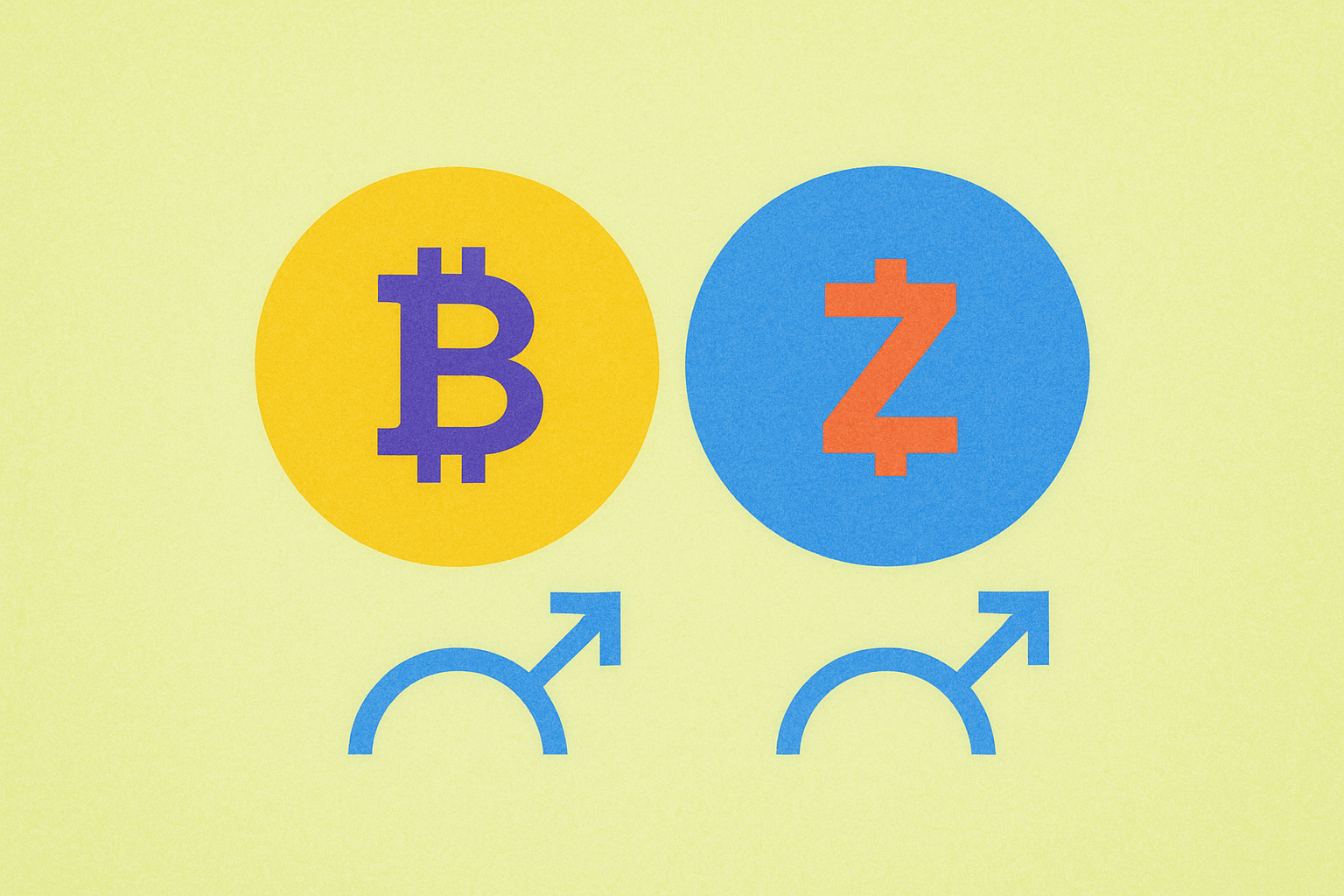
Arthur Hayes offers insights into Bitcoin and ZEC price predictions. He discusses how US monetary policy influences the crypto market, explores Bitcoin’s role as an inflation hedge, and evaluates the long-term prospects of privacy coin ZEC. The report also covers the 2024 monetary policy outlook and investment strategies for exchanges like Gate.
Background and Profile
Arthur Hayes, renowned as the co-founder of a leading cryptocurrency exchange, stands out as a highly influential opinion leader in the digital asset space. In recent years, he has been vocal about the impact of U.S. monetary policy on the crypto market, offering unique insights into the price trends of major cryptocurrencies such as Bitcoin (BTC) and Zcash (ZEC).
Hayes regularly shares his analysis on the relationship between macroeconomic policies and the cryptocurrency market via the social platform X, drawing significant attention from the investment community.
Analysis of Monetary Policy Impact
According to Hayes’s latest analysis, the expansionary monetary policy pursued by the U.S. government could have a substantial impact on the cryptocurrency market. Specifically, he points out that increases in money supply and expanded welfare policies may drive up the value of digital assets like Bitcoin (BTC) and Zcash (ZEC).
Rising money supply can weaken the purchasing power of traditional fiat currencies, which in turn boosts demand for cryptocurrencies as inflation hedges. Notably, Bitcoin’s fixed supply is positioning it as a preferred asset for inflation protection.
In addition, policy trends suggest large-scale government fiscal stimulus programs are likely, which could increase overall market liquidity and channel more capital into risk assets.
Impact on the Cryptocurrency Market
Hayes believes that a portion of the capital injected into markets through expansionary monetary policy is likely to flow into cryptocurrencies such as Bitcoin (BTC) and Zcash (ZEC).
Bitcoin (BTC) has established itself as digital gold, attracting both institutional and retail investors as an inflation hedge. With its supply capped at 21 million coins, Bitcoin’s scarcity becomes even more pronounced as fiat currencies lose value.
By contrast, Zcash (ZEC) has secured a unique market position as a privacy-focused cryptocurrency. In times of growing monetary policy uncertainty, demand from investors valuing privacy is likely to rise.
Market Response and Outlook
The cryptocurrency market has become increasingly sensitive to macroeconomic policy trends, and statements by influential figures like Hayes have a major impact on investor decision-making.
Historically, periods of aggressive monetary easing have coincided with rising prices for cryptocurrencies such as Bitcoin (BTC). This is attributed to greater demand for digital assets as alternatives to fiat currencies, especially amid worries about currency devaluation.
Looking ahead, if the U.S. maintains an expansionary monetary stance, demand for Bitcoin (BTC) and Zcash (ZEC) as inflation hedges is likely to increase, potentially supporting further price gains. However, the crypto market remains highly volatile, so investors must exercise careful risk management.
Additionally, changes in the regulatory landscape and technological advancements are crucial factors for the long-term growth of the crypto market, making comprehensive analysis essential.
FAQ
Who is Arthur Hayes? What is his background and influence?
Arthur Hayes is the co-founder and former CEO of BitMEX. Recognized as a pioneer in crypto derivatives trading, he wields significant influence in the fintech sector. His market analysis and forecasts help shape industry-wide trends.
Why does U.S. monetary policy affect Bitcoin’s price?
U.S. monetary policy has a far-reaching impact on the global economy. When interest rates are lowered, the appeal of low-risk assets declines, prompting more capital to flow into risk assets like Bitcoin. During periods of inflation concern, demand for Bitcoin as “digital gold” increases—driving prices higher.
What are the main differences between Bitcoin and ZEC (Zcash)?
Bitcoin is built for transparency, with every transaction publicly visible. Zcash, on the other hand, offers optional privacy, allowing users to choose whether to reveal transaction information. The key distinction lies in Zcash’s privacy feature.
What are Arthur Hayes’s reasons for predicting sharp rises in Bitcoin and ZEC?
Arthur Hayes’s forecasts are based on U.S. economic strategy and the growth of DeFi. Rising demand for privacy coins and increasing blockchain technology adoption are his primary reasons.
What risks are associated with crypto asset investments?
Investing in crypto assets entails risks such as extreme market volatility, security threats, and the impact of regulatory changes. Ensure you have a thorough understanding before making any investment decisions.
What is the outlook for U.S. monetary policy in 2024?
In 2024, the Federal Reserve is expected to cut policy rates by 0.5 percentage points, with two additional rate cuts anticipated. The target federal funds rate is projected at 4.4%, and the current easing cycle aims to control inflation while maximizing employment.
Is Zcash (ZEC) a better investment than Bitcoin?
ZEC offers robust privacy features powered by zk-SNARK technology. However, its investment value relative to Bitcoin depends on prevailing market trends and personal risk tolerance. Since each asset has distinct characteristics, select according to your investment objectives.
* The information is not intended to be and does not constitute financial advice or any other recommendation of any sort offered or endorsed by Gate.