This comprehensive analysis examines Bitcoin's significant decline to approximately $89,000 and its cascading impact on institutional and corporate investors. The article details portfolio performance shifts among major holders, including Metaplanet's swing from $600 million gains to $530 million losses, and explores how corporate treasury managers face substantial unrealized losses exceeding $180 million in aggregate. By analyzing entry price vulnerabilities, the piece reveals that most major Bitcoin holders positioned themselves above current market levels, creating significant downside exposure. The article evaluates broader market implications including potential selling pressure, margin requirements, and recovery timelines. Essential risk management strategies and historical Bitcoin recovery patterns are examined, providing investors with actionable insights for navigating cryptocurrency volatility and positioning portfolios effectively during market corrections.
Market Overview
The Bitcoin price has experienced a notable decline, dropping to approximately $89,000. This significant price movement has triggered substantial financial impacts across the cryptocurrency market, particularly affecting major institutional and corporate holders. The decline represents a critical shift in market dynamics, as Bitcoin had previously maintained higher valuation levels throughout recent months.
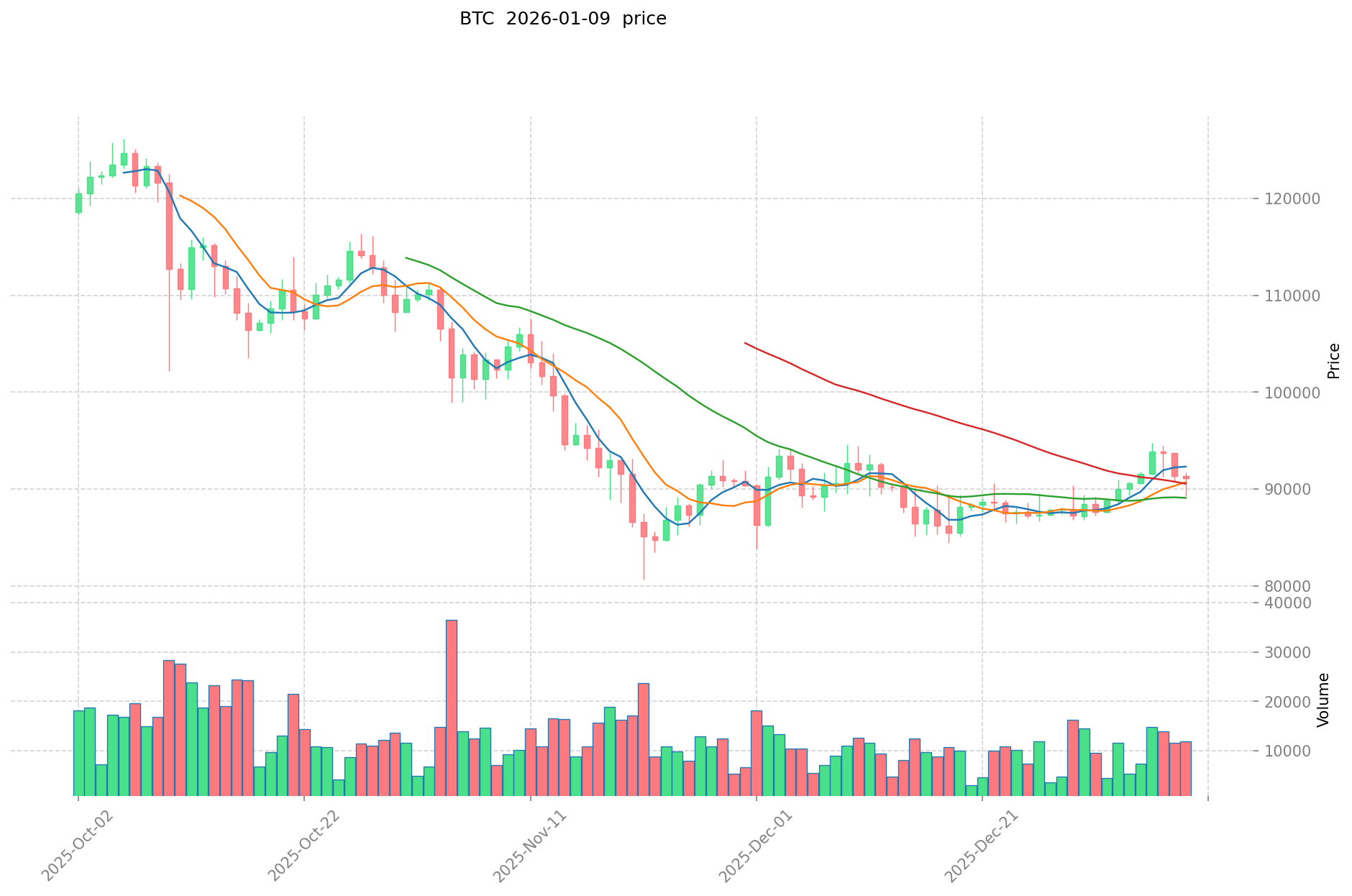 This downturn has exposed the vulnerability of large-scale cryptocurrency investments and highlighted the volatility inherent in digital asset markets.
The price correction has created a challenging environment for investors who entered positions at higher price points, with several prominent holders now facing unrealized losses. Market analysts have been closely monitoring these developments, as the performance of major holders often serves as an indicator of broader market sentiment and institutional confidence in cryptocurrency assets.
According to data from Galaxy Research, several major cryptocurrency holders have experienced dramatic shifts in their portfolio valuations. Metaplanet's position has undergone a particularly striking transformation, transitioning from an unrealized gain of $600 million in October to an unrealized loss of $530 million. This represents a swing of over $1.1 billion in portfolio value, demonstrating the extreme volatility that can affect even substantial cryptocurrency holdings.
The company's experience illustrates how rapidly market conditions can change in the cryptocurrency sector, where price movements of 20-30% or more can occur within relatively short timeframes. Such volatility poses significant challenges for corporate treasury management and requires sophisticated risk management strategies to navigate effectively.
Individual Holder Losses
Nakamoto, holding Bitcoin with an average acquisition price of $118,000 per coin, is currently facing losses exceeding $180 million. The situation has been further complicated by a dramatic decline in the company's stock price, which has plummeted more than 95% from its peak valuation. This dual impact—both on cryptocurrency holdings and equity value—demonstrates the interconnected risks faced by publicly traded companies with significant digital asset exposure.
Semler Scientific, another major holder, has also experienced substantial losses. With an average entry price of $95,000 per Bitcoin, the company is currently facing unrealized losses surpassing $50 million. These losses reflect the challenges faced by corporations that allocated treasury reserves to cryptocurrency investments during periods of higher market valuations.
Treasury Holdings Analysis
Among the major corporate treasury holders, Strategy stands as the sole entity maintaining profitability in its Bitcoin holdings, though its gains have contracted significantly. The company's unrealized profits have decreased from $28.4 billion to $6.9 billion, representing a reduction of approximately 76% in paper gains. Despite this substantial decline, Strategy's continued profitability suggests a lower average acquisition price compared to other major holders.
The three other primary treasury holders are all positioned at average entry prices exceeding $100,000 per Bitcoin. This positioning places these entities in a particularly vulnerable situation given the asset's decline to the $89,000 level. The concentration of high-price entry points among major holders indicates that a significant portion of institutional capital entered the market during peak valuation periods, creating substantial downside exposure in the event of price corrections.
Market Implications and Outlook
The financial pressure experienced by major Bitcoin holders has broader implications for the cryptocurrency market ecosystem. When large institutional holders face significant unrealized losses, it can create selling pressure as organizations may need to realize losses for tax purposes, rebalance portfolios, or meet margin requirements. Additionally, the decline in stock prices for publicly traded cryptocurrency holders can impact investor sentiment and confidence in digital asset investments more broadly.
The concentration of entry prices above current market levels suggests that a return to higher Bitcoin valuations would be necessary for many major holders to return to profitability. Market participants will be closely monitoring whether these holders maintain their positions during the downturn or whether financial pressures necessitate position reductions, which could further impact market dynamics.
This situation underscores the importance of entry timing and risk management in cryptocurrency investments, particularly for institutional and corporate holders with significant capital allocations. The volatility demonstrated by these price movements reinforces the high-risk nature of digital asset investments and the need for careful consideration of position sizing and risk tolerance when allocating treasury resources to cryptocurrencies.
FAQ
Why did Bitcoin decline from its peak to $89,000?
Bitcoin's decline to $89,000 resulted from multiple factors: market weakness, large holder sell-offs, regulatory concerns, and reduced trading volume momentum. Profit-taking at resistance levels and macroeconomic headwinds further pressured prices downward during this correction phase.
What risks do large Bitcoin holders (whales) face during price declines?
Major Bitcoin holders face substantial unrealized losses and financial pressure during downturns. Price declines may force liquidation of collateralized positions or asset sales. Large sell-offs can intensify market downward momentum, while increased hedging activities amplify volatility and further price pressure.
What impact does Bitcoin price decline have on ordinary investors?
Bitcoin price declines can result in portfolio losses for investors holding positions. Lower prices may trigger panic selling, amplifying market downturns. However, declines also create buying opportunities for long-term investors to accumulate at lower valuations before potential recovery.
How should you manage portfolio risk during Bitcoin's decline?
Limit cryptocurrency exposure to 2%-4% of your portfolio. Diversify holdings across multiple assets and only invest capital you can afford to lose long-term. Reassess your risk tolerance regularly and maintain a disciplined strategy regardless of price movements.
Has Bitcoin experienced similar sharp declines historically? How did it eventually recover?
Yes, Bitcoin experienced significant declines in 2022 and 2023, with corrections of 30-50%, but recovered and reached new highs in 2024-2025. Recovery was driven by institutional adoption through ETFs and renewed market demand during periods of economic uncertainty.
What are the main driving factors of Bitcoin price fluctuations?
Bitcoin price volatility is primarily driven by market demand, investor sentiment, regulatory policies, macroeconomic conditions, and trading volume. Supply constraints and technological developments also significantly influence price movements.
* The information is not intended to be and does not constitute financial advice or any other recommendation of any sort offered or endorsed by Gate.