This article examines Bitcoin's evolving role in cryptocurrency investments within the Web3 ecosystem. BlackRock's leadership clarifies that Bitcoin's primary investment thesis centers on digital gold and store-of-value functionality rather than mainstream payment adoption. The article explores why Bitcoin's payment capabilities remain speculative despite potential, highlighting significant technical scalability challenges and high transaction fees that limit practical use. It contrasts Bitcoin with stablecoins, which demonstrate superior payment efficiency through blockchain speed combined with price stability. The piece analyzes the Lightning Network as a potential second-layer solution while addressing real-world payment limitations. Institutional investors, including those using Gate exchange platforms, view Bitcoin as a portfolio diversification tool alongside traditional assets. This comprehensive guide helps readers understand Bitcoin's current market positioning and realistic expectations for payment
Bitcoin's Payment Function Remains Speculative
Robbie Mitchnick, Head of Digital Assets at BlackRock, has emphasized that Bitcoin investors are not betting on its transformation into a global payment network. In his analysis, Mitchnick characterizes Bitcoin's payment functionality as a "call option beyond money," suggesting that while the possibility exists, it represents an additional potential benefit rather than the core investment thesis.
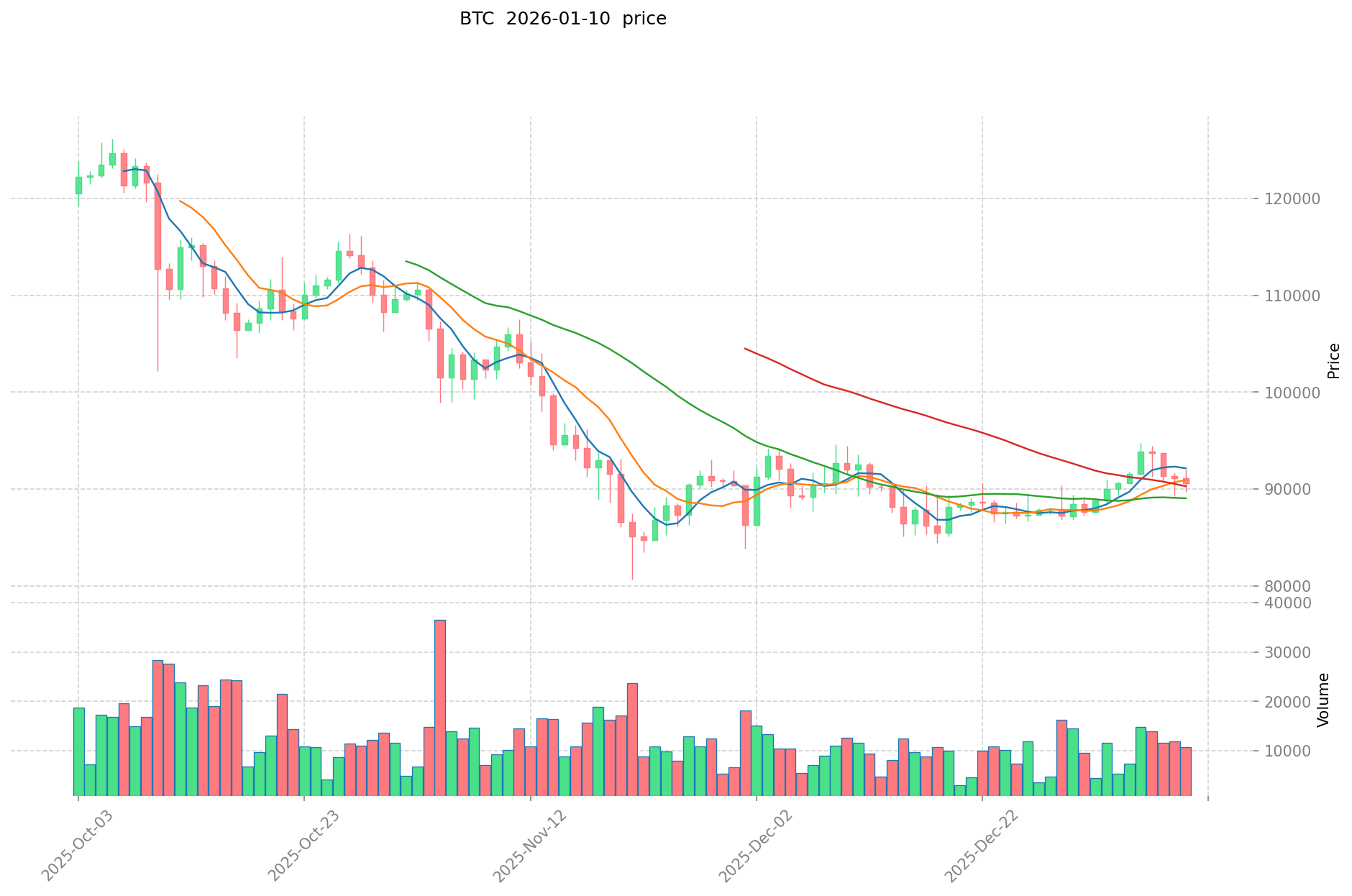 This perspective reflects a pragmatic view of Bitcoin's current capabilities and limitations in the payment space.
The statement highlights a crucial distinction in how institutional investors and market participants view Bitcoin's utility. Rather than positioning it as a direct competitor to traditional payment systems or newer blockchain-based payment solutions, the primary investment narrative continues to center on Bitcoin's role as a store of value and digital alternative to gold.
Primary Investment Narrative: Digital Gold
The dominant investment thesis surrounding Bitcoin focuses on its function as "digital gold" or a store of value asset. This narrative has gained significant traction among institutional investors and has been a key driver of Bitcoin's adoption in recent years. The comparison to gold emphasizes Bitcoin's potential as a hedge against inflation, a non-sovereign store of value, and a portfolio diversification tool.
This positioning as digital gold rather than a payment medium reflects the current market reality and investor expectations. The store of value narrative leverages Bitcoin's fixed supply of 21 million coins, its decentralized nature, and its growing acceptance as a legitimate asset class. Major financial institutions, including BlackRock through its Bitcoin ETF offerings, have primarily marketed Bitcoin based on these characteristics rather than its transactional capabilities.
Technical Challenges for Payment Adoption
Mitchnick has identified significant technical hurdles that Bitcoin must overcome to become a viable payment instrument at scale. The primary challenges revolve around scalability issues inherent in Bitcoin's base layer design. The Bitcoin network's limited transaction throughput and relatively high fees during periods of network congestion make it less competitive for everyday payment transactions compared to traditional payment rails or newer blockchain solutions.
The Lightning Network, a second-layer solution built on top of Bitcoin, represents a potential pathway to enhanced payment functionality. However, Mitchnick emphasizes that substantial progress and development in Lightning Network infrastructure and adoption are necessary before Bitcoin can effectively compete in the payment space. This includes improvements in user experience, liquidity management, routing efficiency, and merchant adoption.
For Bitcoin to achieve mainstream payment adoption, these technical solutions must mature significantly, and the ecosystem must develop robust infrastructure that makes Bitcoin payments as seamless and cost-effective as existing alternatives.
Stablecoins Leading the Payment Revolution
In contrast to Bitcoin's speculative payment potential, Mitchnick points to stablecoins as the clear leaders in blockchain-based payment innovation. Stablecoins have demonstrated significant achievements in the payment sector and are positioned to expand their utility beyond their initial use cases in crypto trading and decentralized finance (DeFi).
The evolution of stablecoin applications is moving toward more traditional financial services, including retail remittances, institutional cross-border payments, and capital market settlements. These use cases leverage stablecoins' ability to combine the speed and efficiency of blockchain technology with the price stability of fiat currencies, making them more suitable for payment applications than volatile cryptocurrencies like Bitcoin.
While Bitcoin may retain competitive potential in specific niches such as retail remittances, particularly in regions with limited banking infrastructure or high remittance costs, expectations for its role in large-scale payment systems remain speculative. The combination of technical limitations, volatility, and the emergence of more payment-focused blockchain solutions suggests that Bitcoin's primary value proposition will continue to be as a store of value rather than a medium of exchange in the near to medium term.
FAQ
How is Bitcoin currently being used in actual payments?
Bitcoin adoption in real-world payments remains limited. While some merchants accept it, adoption rates are low compared to credit cards and mobile payments. As of 2026, Bitcoin primarily serves as a store of value rather than a mainstream payment method.
Why do institutions like BlackRock believe Bitcoin's payment function remains speculative?
BlackRock views Bitcoin's payment role as speculative because investors prioritize its value storage characteristics over payment functionality. Bitcoin requires significant scalability improvements to achieve widespread payment adoption.
What are the advantages and disadvantages of Bitcoin as a payment method compared to traditional currency?
Bitcoin offers decentralized transactions, low fees, and fast cross-border payments without intermediaries. However, it faces challenges including extreme price volatility, high energy consumption, slower transaction speed than traditional systems, limited mainstream adoption, and regulatory uncertainty in many jurisdictions.
What is BlackRock's overall investment stance on Bitcoin?
BlackRock views Bitcoin as a key investment theme for 2025 and launched the iShares Bitcoin Trust (IBIT). The firm holds a positive stance, positioning Bitcoin alongside Treasury securities and large-cap U.S. stocks as important investment assets.
What are the main obstacles to Bitcoin payments, and is it possible to improve in the future?
Bitcoin payment's main obstacles are complex technology and high transaction fees. These issues are gradually improving through layer-two solutions and protocol upgrades, with significant optimization expected ahead.
* The information is not intended to be and does not constitute financial advice or any other recommendation of any sort offered or endorsed by Gate.