Explore our complete guide to crypto investing with Tron Carter. Learn how Block integrates Bitcoin, understand Lightning Network technology, and uncover DeFi opportunities available to crypto traders and blockchain developers.
Bitcoin Payment Integration by Block
Block, formerly known as Square, recently introduced Bitcoin payment integration for over 4 million merchants using Square terminals. This milestone is a major step forward for cryptocurrency adoption in retail. The new feature lets merchants accept Bitcoin payments and gives them the choice to receive funds in BTC or fiat currency, depending on their business needs.
This rollout is one of the largest deployments of Bitcoin payment solutions at physical retail locations to date. By providing millions of merchants with easy access to cryptocurrency payments, Block aims to reshape how digital transactions happen in everyday commerce.
Lightning Network: The Backbone of the System
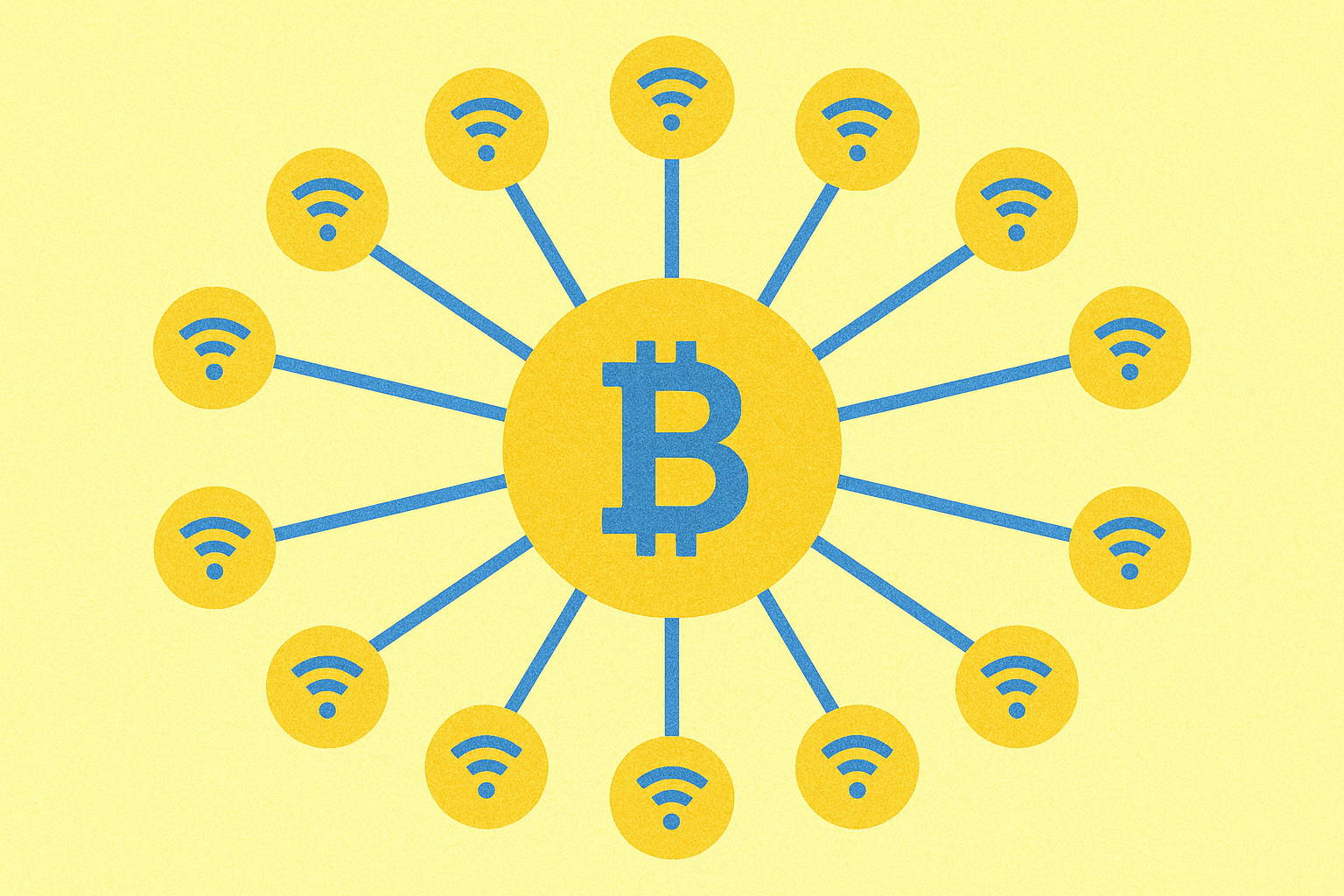
The Bitcoin payment feature runs on the Lightning Network, a Layer 2 solution designed to boost Bitcoin's speed and scalability. The Lightning Network enables near-instant transactions with extremely low fees, solving a key challenge of traditional Bitcoin payments on the main blockchain.
With this technology, merchants process Bitcoin payments as quickly as traditional credit card transactions. This approach delivers a seamless experience for both merchants and customers, removing the usual on-chain confirmation delays. The Lightning Network also enables micropayments that would otherwise be impractical due to main chain transaction fees.
Advantageous Fee Policy for Merchants
A standout feature of this initiative is zero processing fees for Bitcoin transactions for the foreseeable future. Block announced that merchants will pay no processing fees for these transactions through 2027, giving them a risk-free adoption period with no extra financial burden.
This fee policy offers a major advantage over traditional credit card processing fees, which often range from 2% to 3% per transaction. By eliminating these costs, Block makes Bitcoin payments particularly attractive for small and medium-sized businesses looking to boost profit margins. This strategy also encourages merchants to experiment and gradually adopt Bitcoin technology—especially those who might otherwise be deterred by perceived costs.
Jack Dorsey's Vision for Bitcoin Adoption
Jack Dorsey, Block’s co-founder, has highlighted how this initiative can drive Bitcoin's utility and adoption in the real world. His vision centers on seamless conversion between Bitcoin and fiat currency, so merchants can benefit from crypto payments without worrying about volatility if they prefer to settle in traditional currency.
Dorsey, a long-time Bitcoin advocate, sees this as a critical step toward building a more open and accessible financial system. By letting merchants choose their preferred settlement method, Block removes a major barrier to crypto payment adoption. This flexible approach recognizes that transitioning to digital assets must be gradual and tailored to each business's unique needs.
Impact on On-Chain and Off-Chain Bitcoin Activity
This move is set to drive significant growth in Bitcoin activity, both on-chain (main blockchain) and off-chain (solutions like the Lightning Network). More real-world payment transactions will strengthen Bitcoin’s role as a medium of exchange—not just a store of value.
Off-chain activity via the Lightning Network will directly benefit from higher transaction volumes, boosting liquidity and network efficiency. At the same time, opening and closing Lightning channels still require on-chain transactions, supporting overall Bitcoin blockchain activity. This dynamic may also spur further infrastructure growth around the Lightning Network, building a stronger Bitcoin payments ecosystem.
Implications for Crypto Adoption in Retail
Block’s initiative could spark broader cryptocurrency adoption across the retail sector. By proving that Bitcoin payments can be smoothly integrated into existing point-of-sale systems, Block sets a new standard other payment processors may follow.
This trend could make crypto payments mainstream for both consumers and merchants, moving Bitcoin past its reputation as a speculative asset. As more merchants accept Bitcoin, consumers will have more opportunities to spend their crypto for everyday purchases, reinforcing the case for digital assets in real-world use. This shift may also push other payment platforms to launch similar solutions, accelerating digital transformation across the financial industry.
FAQ
Block/Square integrates Bitcoin into its payment processing system, allowing merchants to accept BTC directly at the point of sale. This solution is available to millions of merchants, making Bitcoin transactions simple and secure.
What are the benefits of Block's Bitcoin payment feature for merchants?
Merchants receive Bitcoin directly, avoiding currency exchange losses and reducing conversion fees. This streamlines transactions and attracts new crypto customers.
As a consumer, where can I use Bitcoin to pay at Square merchants?
You can use Bitcoin at Whole Foods Market and other merchants that accept the Spedn app. These retailers support Bitcoin transactions through Square for your everyday purchases.
What risks or challenges do merchants face when accepting Bitcoin payments?
Merchants face Bitcoin price volatility, regulatory shifts, and technical security challenges. However, with Square, these risks are mitigated by instant conversion to fiat currency and strong security protocols.
Is Bitcoin different from traditional payment methods?
Bitcoin enables decentralized, intermediary-free transactions that are immutable and irreversible. Payments are faster and come with lower fees, especially for cross-border transfers. Unlike traditional currencies, Bitcoin exists only in digital form.
Why is Block offering Bitcoin payment features to 4 million merchants?
Block is driving Bitcoin adoption by making it easy for merchants to accept cryptocurrency payments. This initiative increases Bitcoin’s real-world utility as a payment method and deepens its integration into the global commercial economy.
* The information is not intended to be and does not constitute financial advice or any other recommendation of any sort offered or endorsed by Gate.