This article explores how BNB is entering mainstream institutional investment through innovative pathways on Nasdaq. It highlights Windtree Therapeutics' groundbreaking $60 million BNB treasury strategy and VanEck's anticipated spot BNB ETF (ticker: VBNB), which provide regulated access for retail and institutional investors without requiring cryptocurrency exchange accounts. The piece compares BNB's institutional adoption trajectory to Bitcoin's journey, emphasizing BNB's functional utility advantages. It also examines how ETFs serve as essential diversification tools across various asset classes, including cryptocurrencies and thematic sectors like travel. The article addresses key benefits—ease of access, regulatory compliance, and simplified tax reporting—while acknowledging inherent risks including regulatory uncertainty, market volatility, and macroeconomic factors. These developments represent a pivotal moment in cryptocurrency's integration into traditional finance.
The Rise of BNB in Regulated Investments
The cryptocurrency market is experiencing a significant transformation, with BNB making substantial progress toward institutional adoption. Developments such as Windtree Therapeutics' innovative treasury strategy and VanEck's anticipated BNB ETF listing on Nasdaq are fundamentally reshaping the investment landscape.
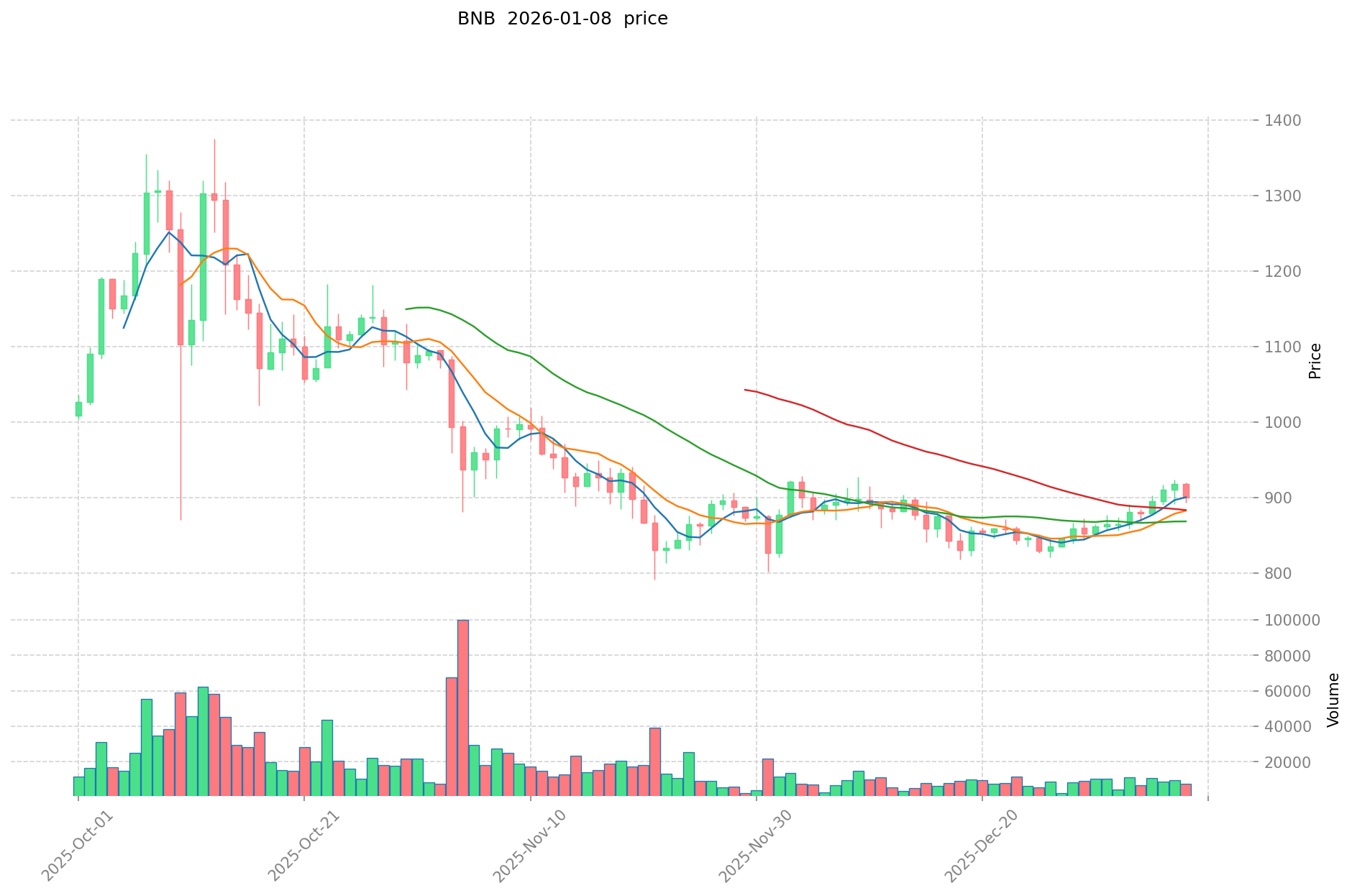 These advancements provide both retail and institutional investors with new, regulated pathways to gain exposure to BNB, marking a pivotal moment in the evolution of digital asset investments.
The growing acceptance of BNB in traditional finance reflects a broader trend of cryptocurrency integration into mainstream investment portfolios. As regulatory frameworks become more defined and institutional interest continues to expand, BNB is positioning itself as a viable alternative to traditional assets. This shift is particularly significant given the historical skepticism surrounding cryptocurrencies in regulated markets, demonstrating how far the industry has progressed in establishing credibility and trust among conservative investors.
Windtree Therapeutics' BNB Treasury Strategy: A Game-Changer
Windtree Therapeutics (WINT), a Nasdaq-listed company, has unveiled a groundbreaking $60 million agreement, with commitments potentially reaching $200 million, to implement a BNB crypto treasury strategy. This marks a transformative moment in the cryptocurrency investment space, as it allows U.S. investors to gain direct exposure to BNB through a publicly traded, SEC-compliant company. The strategy represents a significant departure from traditional corporate treasury management, which typically focuses on cash equivalents and short-term securities.
This innovative approach demonstrates the increasing confidence that public companies have in digital assets as legitimate treasury holdings. By adopting BNB as a strategic reserve asset, Windtree is not only diversifying its balance sheet but also positioning itself to benefit from the potential appreciation of cryptocurrency holdings. This move could inspire other publicly traded companies to consider similar strategies, potentially accelerating the institutional adoption of digital assets across various sectors.
How Windtree's Strategy Works
Windtree Therapeutics plans to hold BNB as a treasury asset, mirroring the approach pioneered by companies like MicroStrategy, which holds Bitcoin as a primary treasury reserve. This strategy enables stockholders to benefit from BNB's market performance without requiring crypto wallets, exchange accounts, or direct cryptocurrency management. By integrating BNB into its corporate balance sheet, Windtree is creating a novel pathway for traditional investors to access the cryptocurrency market through familiar investment vehicles.
The operational framework involves the company purchasing and holding BNB through secure custody solutions, ensuring compliance with regulatory requirements while maintaining the flexibility to adjust holdings based on market conditions. Shareholders effectively gain indirect exposure to BNB's price movements through their equity ownership in Windtree, creating a unique hybrid investment opportunity that combines traditional equity characteristics with cryptocurrency market dynamics. This approach eliminates many of the technical barriers that have historically prevented mainstream investors from participating in the crypto market.
Implications for Institutional Adoption
This move underscores BNB's growing acceptance among institutional investors, following Bitcoin's trajectory as a corporate treasury asset. It also highlights the increasing demand for regulated investment options that bridge the gap between traditional finance and the crypto ecosystem. The decision by a Nasdaq-listed company to allocate significant capital to BNB sends a powerful signal to the broader market about the maturation of cryptocurrency as an asset class.
Furthermore, this development may encourage other corporations to evaluate digital assets as potential treasury holdings, potentially triggering a wave of institutional adoption. The success of Windtree's strategy could serve as a blueprint for companies seeking to diversify their balance sheets while maintaining compliance with regulatory standards. As more public companies embrace cryptocurrency holdings, the legitimacy and stability of the digital asset market are likely to strengthen, attracting even more institutional capital and further integrating cryptocurrencies into mainstream finance.
VanEck's BNB ETF: Expanding Regulated Investment Options
VanEck, a leading asset management firm with a strong track record in innovative investment products, is preparing to list a BNB ETF on Nasdaq under the ticker symbol VBNB. This development further solidifies BNB's position in the institutional investment landscape and represents a significant milestone in the evolution of cryptocurrency investment vehicles. The launch of this ETF addresses a critical need in the market for accessible, regulated exposure to BNB, particularly among investors who prefer traditional brokerage platforms over cryptocurrency exchanges.
The introduction of a BNB ETF by a reputable firm like VanEck lends additional credibility to BNB as an investment asset and signals growing confidence in its long-term viability. VanEck's expertise in managing complex investment products, combined with Nasdaq's stringent listing requirements, ensures that the VBNB ETF will meet high standards of transparency, security, and regulatory compliance. This combination of institutional backing and regulatory oversight makes the ETF an attractive option for risk-conscious investors seeking cryptocurrency exposure.
What Is a BNB ETF?
An exchange-traded fund (ETF) is an investment vehicle that allows investors to gain exposure to an asset or a basket of assets without directly owning them. The VanEck BNB ETF will enable investors to track BNB's performance in a regulated environment, offering a secure and convenient way to invest in the cryptocurrency without the complexities of wallet management, private key security, or exchange account maintenance.
ETFs operate by holding the underlying asset (or derivatives based on the asset) and issuing shares that trade on traditional stock exchanges. Investors can buy and sell these shares throughout the trading day at market prices, similar to stocks. The ETF structure provides several advantages over direct cryptocurrency ownership, including simplified tax reporting, integration with existing brokerage accounts, and the ability to use traditional investment strategies such as dollar-cost averaging. For BNB specifically, the ETF structure eliminates the need to navigate cryptocurrency exchanges while still providing exposure to the token's price movements.
Benefits for Retail Investors
Ease of Access: Investors can buy and sell ETF shares through traditional brokerage accounts, eliminating the need for crypto wallets, exchange registrations, or the technical knowledge required for secure cryptocurrency storage. This accessibility dramatically lowers the barrier to entry for individuals interested in BNB exposure but hesitant to engage directly with cryptocurrency platforms.
Diversification: While the VanEck BNB ETF primarily focuses on BNB, ETFs in general often include a mix of assets, reducing risk compared to holding a single cryptocurrency. The ETF structure allows for professional management and potential rebalancing strategies that individual investors might find challenging to implement independently. Additionally, investors can easily combine the BNB ETF with other investment products to create a well-diversified portfolio that includes both traditional and digital assets.
Regulation: As a Nasdaq-listed product, the VanEck BNB ETF will adhere to strict regulatory standards established by the SEC and other financial authorities, providing an added layer of security and investor protection. The regulatory oversight includes regular audits, transparent reporting requirements, and adherence to fiduciary standards that protect investor interests. This regulatory framework significantly reduces the risks associated with unregulated cryptocurrency platforms, such as exchange failures, security breaches, or fraudulent activities, making the ETF a safer option for conservative investors.
Comparing BNB's Adoption to Bitcoin's Institutional Journey
BNB's entry into the institutional investment space draws compelling parallels to Bitcoin's earlier adoption by corporations and asset managers, yet the paths differ in significant ways. Bitcoin's institutional journey began with pioneering companies like MicroStrategy and Tesla allocating substantial portions of their corporate treasuries to the cryptocurrency, viewing it primarily as a hedge against inflation and currency devaluation. These early adopters faced considerable skepticism but ultimately paved the way for broader acceptance of cryptocurrencies in corporate finance.
However, there are notable differences in how BNB is approaching institutional adoption:
Use Case: Bitcoin is primarily viewed as a store of value and digital gold, serving as a hedge against economic uncertainty and inflation. In contrast, BNB has utility within its related ecosystem, including transaction fee discounts, participation in token sales, and access to various platform services. This functional utility provides BNB with additional value propositions beyond pure speculation, potentially making it more attractive to investors seeking assets with practical applications.
Adoption Timeline: Bitcoin's institutional adoption evolved gradually over several years, beginning with companies like MicroStrategy and Tesla making headline-grabbing purchases. BNB is entering the institutional space through more structured approaches, such as Windtree's treasury model and VanEck's ETF, which provide regulated frameworks from the outset. This difference in approach may accelerate BNB's institutional adoption by addressing regulatory concerns and accessibility issues that initially slowed Bitcoin's acceptance.
These distinctions highlight the unique opportunities and challenges associated with BNB's institutional journey. While Bitcoin benefited from first-mover advantage and established itself as the dominant cryptocurrency, BNB's functional utility and structured entry into institutional markets may provide advantages in terms of regulatory acceptance and practical adoption. The success of BNB's institutional strategy will likely depend on its ability to maintain its ecosystem utility while demonstrating stability and reliability as an investment asset.
The Role of ETFs in Diversified Investment Strategies
ETFs have become a favored investment vehicle for both retail and institutional investors due to their diversification benefits, liquidity, and ease of access. The ETF structure allows investors to gain exposure to specific sectors, asset classes, or investment themes without the need to individually select and manage multiple securities. This efficiency has made ETFs increasingly popular, with global ETF assets under management growing substantially over the past decade.
Beyond crypto-focused ETFs, thematic ETFs targeting specific industries, such as travel, technology, or renewable energy, are also gaining significant traction among investors seeking targeted exposure to high-growth sectors. These specialized investment vehicles allow investors to capitalize on specific economic trends or industry developments without requiring extensive research or individual stock selection. The comparison between crypto ETFs and other thematic ETFs provides valuable insights into investment strategy development and risk management.
Travel ETFs: A Growing Market
The global travel industry is projected to grow at an average rate of 5-6% annually over the next decade, outpacing global GDP growth and reflecting increasing consumer spending on travel experiences. Travel ETFs, such as the U.S. Global Jets ETF and the Amplify Travel Tech ETF, provide investors with diversified exposure to this expanding sector, capturing growth across multiple segments of the travel industry.
The recovery of the travel sector following pandemic-related disruptions has created compelling investment opportunities, as pent-up demand and changing consumer preferences drive industry growth. Travel ETFs allow investors to participate in this recovery without the need to analyze individual airline, hotel, or cruise line companies, providing broad exposure to the sector's overall performance.
Key Features of Travel ETFs
Diversification: These ETFs include a mix of airlines, cruise lines, hotels, online travel platforms, and travel technology companies, spreading risk across multiple subsectors and reducing the impact of company-specific challenges. This diversification is particularly valuable in the travel industry, which can be affected by factors such as fuel prices, geopolitical events, and seasonal demand fluctuations.
Growth Potential: As the travel industry continues to recover and evolve, these ETFs offer opportunities for long-term growth driven by increasing global mobility, rising middle-class populations in emerging markets, and technological innovations in travel services. The sector's structural growth trends, combined with cyclical recovery dynamics, create a compelling investment thesis for long-term investors.
Expense Ratios: While thematic ETFs often have higher expense ratios compared to broad market index funds, their targeted approach can yield significant returns for investors willing to accept additional costs and sector-specific risks. The specialized nature of these ETFs requires more active management and research, which justifies the higher fees. Investors must weigh these costs against the potential for outperformance relative to broader market indices.
Lessons for Crypto ETFs
The success of travel ETFs and other thematic investment vehicles underscores the importance of diversification and targeted investment strategies in portfolio construction. Crypto ETFs, such as the VanEck BNB ETF, can adopt these principles to attract a broader investor base by emphasizing the unique value propositions of specific cryptocurrencies while managing risk through professional oversight and regulatory compliance.
Key lessons from thematic ETFs that apply to crypto ETFs include the importance of clear investment theses, transparent fee structures, and effective communication of risk-return profiles. Additionally, the success of thematic ETFs demonstrates that investors are willing to pay premium fees for specialized exposure when the underlying investment case is compelling and well-articulated. Crypto ETFs can leverage these insights to position themselves as essential tools for investors seeking exposure to digital assets within a regulated, accessible framework.
Potential Risks and Challenges
While the developments surrounding BNB-focused ETFs and treasury strategies are promising and represent significant progress in cryptocurrency adoption, they come with inherent risks that investors must carefully consider:
Regulatory Uncertainty: The crypto market remains subject to evolving regulations across different jurisdictions, which could significantly impact the performance and availability of BNB-focused investment products. Changes in regulatory frameworks, such as new taxation policies, stricter compliance requirements, or outright restrictions on certain cryptocurrency activities, could affect the viability of these investment vehicles. Investors should stay informed about regulatory developments and understand that the legal landscape surrounding cryptocurrencies continues to evolve rapidly.
Market Volatility: Cryptocurrencies are known for their substantial price volatility, which could affect the stability of ETFs and treasury strategies. BNB, like other digital assets, can experience significant price swings within short timeframes, potentially leading to substantial gains or losses for investors. This volatility may be particularly challenging for corporate treasury strategies, as large unrealized losses could impact financial reporting and shareholder confidence. Investors must have appropriate risk tolerance and time horizons to weather potential market turbulence.
Macroeconomic Factors: Inflation, interest rates, and economic downturns could influence investor sentiment and the performance of both crypto and thematic ETFs. Rising interest rates, for example, may reduce investor appetite for riskier assets like cryptocurrencies, while economic recessions could lead to reduced corporate investment in digital assets. Additionally, correlation between cryptocurrency markets and traditional financial markets may increase during periods of financial stress, potentially reducing the diversification benefits of holding both asset classes.
Technology and Security Risks: Despite regulatory oversight and professional management, cryptocurrency investments remain subject to technology-related risks, including potential security breaches, smart contract vulnerabilities, and technical failures. While ETF structures provide some insulation from these risks, investors should understand that the underlying assets are still subject to the inherent challenges of blockchain technology and cryptocurrency infrastructure.
Conclusion: A New Era for Crypto and Thematic ETFs
The introduction of BNB-focused investment options, such as Windtree Therapeutics' innovative treasury strategy and VanEck's anticipated ETF listing on Nasdaq, marks a significant milestone in the evolution of the cryptocurrency market and its integration into mainstream finance. These developments not only provide new opportunities for investors seeking exposure to digital assets but also signal the growing acceptance and legitimacy of cryptocurrencies in traditional financial systems.
As the investment landscape continues to evolve and mature, ETFs—whether focused on cryptocurrencies like BNB or specific industries like travel—will play an increasingly crucial role in shaping the future of diversified investment strategies. The convergence of traditional finance and digital assets represents a fundamental shift in how investors approach portfolio construction, risk management, and long-term wealth creation.
By understanding the benefits and risks associated with these innovative investment products, investors can make informed decisions and capitalize on emerging trends while maintaining appropriate risk management practices. The success of BNB-focused investment vehicles will depend on continued regulatory clarity, market stability, and the ability of these products to deliver value to investors over time. As institutional adoption accelerates and investment options expand, the cryptocurrency market is poised to become an integral component of modern investment portfolios, offering both opportunities and challenges for investors navigating this dynamic landscape.
FAQ
What is BNB ETF? How does it trade on Nasdaq?
BNB ETF is an exchange-traded fund issued by VanEck that trades on Nasdaq after SEC approval. It allows investors to gain BNB exposure through traditional securities markets without directly holding cryptocurrency.
What role does VanEck play in the BNB ETF product?
VanEck filed for a spot BNB ETF linked to BNB's price, enabling traditional investors like institutions and retail traders to gain exposure to BNB. VanEck serves as the applicant and issuer of this pioneering product.
What is the relationship between Windtree Therapeutics and BNB ETF?
Windtree Therapeutics plans to hold BNB as a financial asset, similar to MicroStrategy holding Bitcoin. This strategy allows shareholders to benefit from BNB's market performance without requiring crypto wallets or exchange accounts.
How to buy and trade BNB ETFs on Nasdaq?
Open your Nasdaq-listed ETF account with a brokerage firm. Search for BNB ETF ticker symbols. Place buy or sell orders during market hours. Monitor your holdings and transaction volumes in real-time through your trading dashboard.
What are the advantages and risks of investing in BNB ETF compared to buying BNB coins directly?
BNB ETF offers regulated exposure, lower custody risks, and easier access through traditional accounts, ideal for conservative investors. Direct coin purchase provides full ownership and higher upside potential but carries higher security and volatility risks for active traders.
BNB ETF的费用结构和历史表现如何?
BNB ETF费用结构因发行机构而异,通常管理费在0.2%-0.5%之间。历史表现方面,BNB ETF价格走势与BNB币价紧密相关,投资者可查阅具体产品的历史数据了解详细表现。
* The information is not intended to be and does not constitute financial advice or any other recommendation of any sort offered or endorsed by Gate.