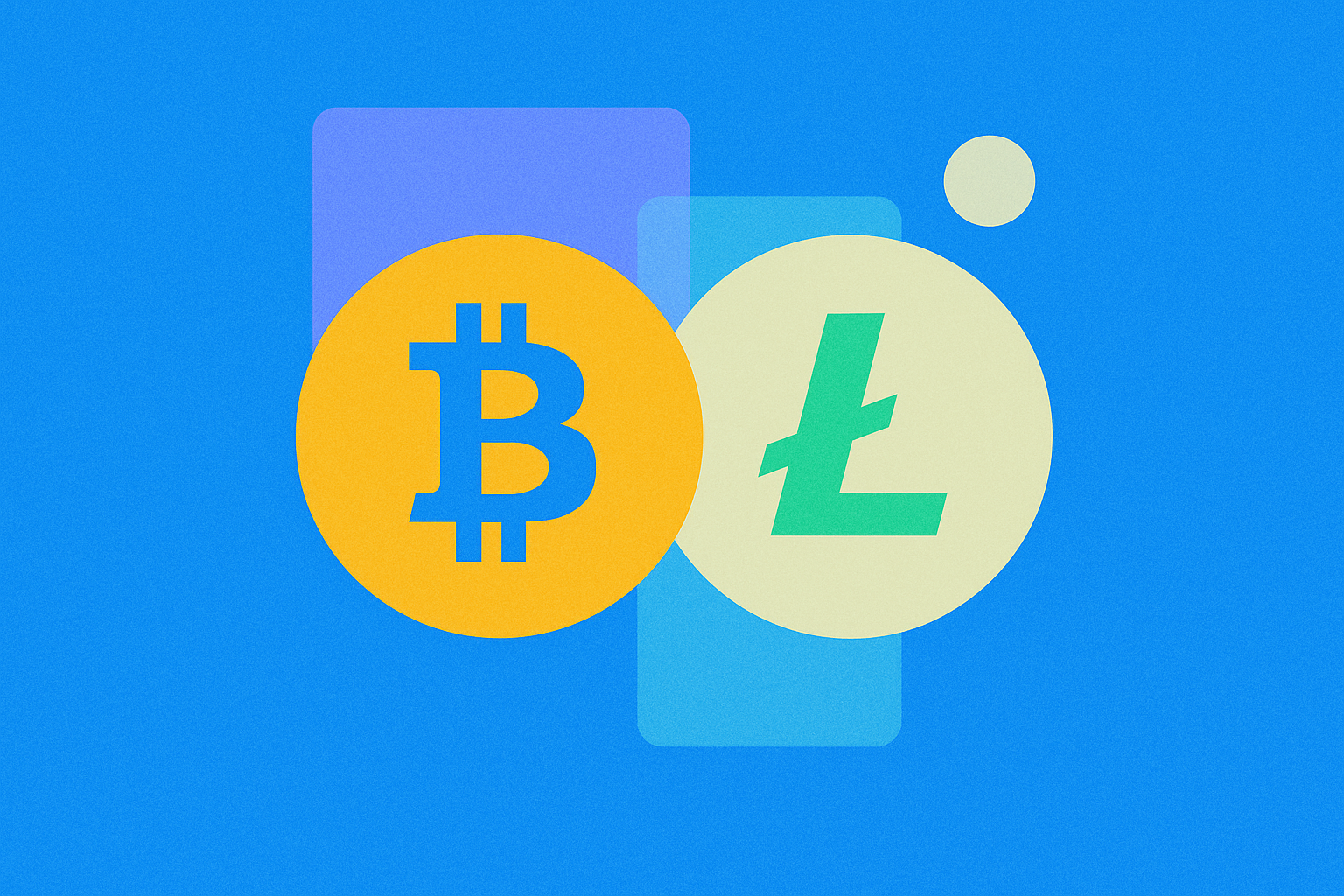
This article features insights from Litecoin creator Charlie Lee on cryptocurrency innovation and market challenges. It traces his journey from gold enthusiast to crypto pioneer, explores Bitcoin's early adoption struggles at Google, and explains Litecoin's design as 'silver to Bitcoin's gold' with faster transactions. The article addresses critical industry debates including privacy versus transparency trade-offs, regulatory impacts on development, and the balance between user autonomy and network security. Lee shares his experiences navigating public scrutiny, including his controversial decision to sell Litecoin holdings to eliminate conflicts of interest. The piece concludes with investment philosophy emphasizing long-term value creation through decentralized digital assets, offering practical guidance for both aspiring investors and cryptocurrency developers seeking sustainable growth on platforms like Gate.
Early Journey: From Gold Enthusiast to Cryptocurrency Pioneer
Charlie Lee's journey into the cryptocurrency world began with an unexpected fascination with gold during his time at Google. As a self-described "gold bug," Lee was initially drawn to precious metals as a store of value before discovering Bitcoin. This transition from traditional assets to digital currencies marked a pivotal moment in his career. In an interview, Lee shared insights about his early experiences in the crypto space, explaining how his understanding of scarcity and value preservation naturally led him to explore Bitcoin and blockchain technology. His unique perspective as both a software engineer and economics enthusiast positioned him perfectly to understand the revolutionary potential of decentralized digital currencies.
Google's Missed Opportunity with Bitcoin
Lee provided fascinating details about why Google, despite being a technology leader, failed to adopt Bitcoin in its early stages. During Bitcoin's nascent years, the concept of decentralized digital currency was still poorly understood by mainstream tech companies. Lee explained that institutional skepticism, regulatory concerns, and the perceived risks associated with cryptocurrency prevented Google from exploring Bitcoin integration. He also revealed the price he paid for his first Bitcoin, reflecting on how the cryptocurrency landscape has evolved dramatically since those early days. This missed opportunity by Google highlights how even the most innovative companies can overlook transformative technologies when they first emerge.
The Birth of Litecoin: Motivations and Vision
Charlie Lee created Litecoin with specific goals in mind, aiming to complement Bitcoin rather than compete with it directly. He explained that Litecoin was designed to be the "silver to Bitcoin's gold," offering faster transaction times and a different mining algorithm. The motivation behind Litecoin's creation stemmed from Lee's desire to experiment with cryptocurrency parameters while maintaining Bitcoin's core principles of decentralization and security. He discussed Litecoin's current position in the market capitalization rankings, acknowledging both its achievements and the challenges of maintaining relevance in an increasingly crowded cryptocurrency ecosystem. Litecoin's continued presence among top cryptocurrencies demonstrates the enduring value of its technical innovations and community support.
Fairness and Privacy in Cryptocurrency
Lee addressed the complex concept of fairness in cryptocurrency distribution and development. He explored the trade-offs involved in maintaining privacy features within blockchain networks, explaining that enhanced privacy often comes at the cost of transparency and regulatory acceptance. The balance between user privacy and network security remains one of the most debated topics in cryptocurrency development. Lee shared his perspectives on how different cryptocurrencies approach this challenge, noting that absolute privacy can create regulatory concerns while complete transparency may compromise user autonomy. These compromises reflect the ongoing evolution of cryptocurrency design as developers seek to balance competing priorities.
Navigating Public Life in the Crypto World
Living in the public eye as a cryptocurrency founder presents unique challenges that Lee candidly discussed. He shared his experiences dealing with online criticism, community expectations, and the intense scrutiny that comes with being a prominent figure in the crypto space. Lee's decision to sell his Litecoin holdings became one of the most controversial moments in his career, attracting both criticism and support from the community. He explained the reasoning behind this decision, emphasizing his desire to eliminate conflicts of interest and focus on Litecoin's development without personal financial motivations. This transparency, while initially controversial, demonstrated Lee's commitment to the project's long-term success over personal gain.
Investment Philosophy and Advice for the Future
Lee emphasized that it is never too late to invest in Bitcoin, offering his price predictions and investment philosophy. He encouraged potential investors to focus on long-term value rather than short-term price movements, highlighting Bitcoin's fundamental properties as a decentralized store of value. When reflecting on advice for his younger self, Lee stressed the importance of anonymity in cryptocurrency development and the wisdom of investing in Bitcoin early. He acknowledged that maintaining privacy as a project founder can protect both personal security and project integrity. This advice reflects lessons learned from years of experience navigating the complex intersection of technology, finance, and public attention in the cryptocurrency industry.
FAQ
Why did Charlie Lee decide to create Litecoin?
Inspired by Bitcoin's potential and limitations, Charlie Lee created Litecoin in 2011 to develop a more efficient cryptocurrency with faster transaction processing and broader accessibility compared to Bitcoin.
What are the main differences between Litecoin and Bitcoin?
Litecoin offers faster transaction confirmation times and higher transaction throughput compared to Bitcoin. Litecoin generates blocks more quickly, enabling quicker settlements and greater network capacity.
What are the technical characteristics of Litecoin, such as the Scrypt algorithm?
Litecoin uses the Scrypt algorithm, a memory-intensive hash function that enhances security and stability. This design resists brute-force attacks effectively and enables faster block generation compared to Bitcoin's SHA-256.
What are the main challenges currently facing cryptocurrency?
Cryptocurrency faces regulatory uncertainty, institutional adoption barriers, and competition from emerging technologies like AI. Market maturation, slow capital flow from institutional investors, and the need for clearer regulatory frameworks remain key challenges. Additionally, risk management concerns and performance expectations continue to slow institutional investment growth.
What is Litecoin's position and role in the cryptocurrency market?
Litecoin serves as digital silver to Bitcoin's gold, offering faster transaction speeds and lower fees. As a leading altcoin, it remains significant for payments and trading, maintaining strong market presence and adoption.
How significant is the impact of regulatory issues on cryptocurrency development?
Regulatory issues profoundly shape cryptocurrency development. Supportive frameworks in countries like the US and Singapore accelerate adoption and innovation, while strict bans in others limit market growth. Clear regulations enhance institutional investment and mainstream acceptance, making compliance crucial for industry expansion.
* The information is not intended to be and does not constitute financial advice or any other recommendation of any sort offered or endorsed by Gate.