# Understanding the Crypto Fear Index: Market Sentiment and Trading Insights
This comprehensive guide explores the Fear and Greed Index as a critical sentiment indicator for cryptocurrency investors. The article decodes how market psychology drives asset valuations, examining volatility triggers, social sentiment metrics, and historical fear-greed cycles. Readers will discover actionable strategies for identifying buying opportunities during market downturns, managing emotional decision-making, and navigating crypto market crashes on Gate. Whether you're a disciplined investor seeking entry points during extreme fear or a trader aiming to understand on-chain signals and sentiment indicators, this resource provides evidence-based frameworks for wealth-building in volatile markets. Master fear market dynamics, implement risk management protocols, and transform market sentiment data into profitable trading decisions with proven strategies for cryptocurrency portfolio management.
Understanding Fear Market in Cryptocurrency
The term fear market in cryptocurrency refers to periods characterized by heightened uncertainty and negative sentiment within the cryptocurrency ecosystem. These phases are marked by significant price volatility, mass sell-offs, and reduced liquidity across digital asset markets. During such periods, investor confidence typically diminishes, leading to widespread panic selling and conservative market behavior.
What Triggers Fear in the Cryptocurrency Market?
Fear in the cryptocurrency market is often provoked by several key factors:
- Market Volatility: Sharp price fluctuations can trigger panic among investors, particularly those with limited experience in volatile markets.
- Regulatory Uncertainty: News regarding potential restrictions or bans from government authorities creates doubt about the future of digital assets.
- Macroeconomic Factors: Inflation, rising interest rates, or geopolitical tensions can negatively impact investor sentiment across all asset classes, including cryptocurrencies.
- Security Concerns: Hacks, fraud, or data breaches at major exchanges undermine trust in the security of digital assets.
The Fear and Greed Index in Cryptocurrency
The Fear and Greed Index in cryptocurrency is a sentiment indicator designed to measure the emotional state of the cryptocurrency market. It provides a score ranging from 0 (extreme fear) to 100 (extreme greed), helping investors understand prevailing market sentiment.
Core Metrics of the Index
The index incorporates several factors to calculate its sentiment score:
- Volatility: Sharp price swings often signal fear or greed in the market.
- Trading Volume: High or low trading activity reflects the intensity of market sentiment and investor participation.
- Social Media Sentiment: Engagement trends, mentions, and hashtags on platforms such as Twitter and other social networks provide real-time sentiment insights.
- Bitcoin Dominance: The market share of Bitcoin relative to altcoins indicates whether investors favor the leading cryptocurrency or alternative assets.
- Google Trends: Search interest related to cryptocurrency queries reflects investor curiosity and concern levels.
Historical Trends: Fear and Greed in Action
Extreme Fear Periods
Periods of extreme fear (index scores of 20-25) often coincide with market sell-offs and heightened volatility. Historically, these moments are associated with undervalued assets, presenting potential opportunities for long-term investors willing to take calculated risks.
- Bitcoin Dominance: During extreme fear periods, Bitcoin dominance typically increases as investors seek stability and flight to safety in the most established cryptocurrency.
- Market Volatility: Sharp price declines create opportunities for disciplined investors to enter the market at lower prices, implementing dollar-cost averaging strategies.
Extreme Greed Periods
Extreme greed (index scores above 75) can signal asset overvaluation and potential market corrections. During these periods, market participants often exhibit excessive risk-taking behavior.
- Overvaluation Risks: Assets may trade significantly above their intrinsic value, driven by speculative fervor rather than fundamental analysis.
- Market Corrections: Markets driven by greed often precede sharp sell-offs as reality reasserts itself and valuations normalize.
Opportunities and Risks in the Cryptocurrency Fear Market
Investment Opportunities
Fear-driven markets can offer unique opportunities for disciplined investors:
- Dollar-Cost Averaging (DCA): Gradually investing fixed amounts over time reduces the impact of volatility and allows investors to accumulate assets at various price levels.
- Risk Management: Prudent allocation of capital and avoiding excessive concentration in high-risk assets protects portfolio value during downturns.
- Long-Term Perspective: Viewing fear markets as opportunities to accumulate assets at reduced prices aligns with wealth-building principles and long-term investment success.
Associated Risks
- Liquidity Challenges: Reduced trading activity can make it difficult to buy or sell assets at desired prices, potentially resulting in slippage.
- Emotional Decision-Making: Panic selling during fear markets can lock in losses and derail long-term investment plans.
- Market Uncertainty: External factors and unexpected events can amplify volatility and create unpredictable market conditions.
Bitcoin Dominance and Market Sentiment
Bitcoin plays a central role during periods of extreme fear. As the most established cryptocurrency, it typically outperforms altcoins during market downturns when risk aversion increases.
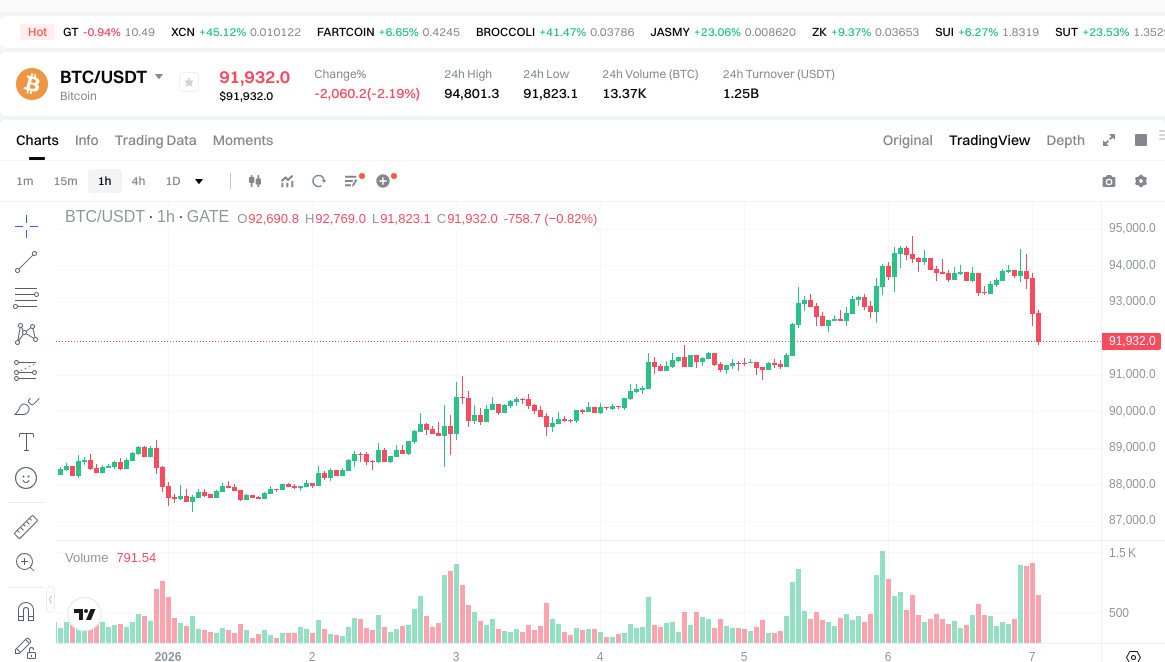
- Altcoin Underperformance: During extreme fear periods, altcoins often decline more sharply than Bitcoin as investors reduce exposure to higher-risk assets.
- Recovery Signals: Declining Bitcoin dominance may indicate renewed interest in altcoins and a shift toward risk-on sentiment.
Additional Sentiment Indicators
- Blockchain Data: Metrics such as wallet activity, transaction volumes, and on-chain metrics provide insights into actual market behavior.
- Macroeconomic Factors: Federal Reserve policy, inflation levels, and geopolitical events significantly influence cryptocurrency valuations.
- Trading Volume Patterns: Sudden spikes or declines in trading activity can signal shifts in market sentiment and potential trend changes.
Environmental Concerns and Sustainable Cryptocurrency Models
Environmental concerns, particularly related to the energy-intensive proof-of-work model used by Bitcoin, remain topics of discussion in the cryptocurrency community. Several cryptocurrencies are transitioning to more sustainable models, such as proof-of-stake, which consume significantly less energy while maintaining network security.
Regulatory Changes and Institutional Adoption
Regulatory developments and institutional interest can substantially influence market sentiment:
- ETF Approvals: Approval of cryptocurrency ETFs can stimulate institutional adoption and facilitate market recovery by providing regulated investment vehicles.
- Tax Reforms: Changes in tax policy can influence investor behavior and affect the attractiveness of cryptocurrency investments.
- Institutional Investment Strategies: Large investors often view fear markets as opportunities to accumulate assets at favorable valuations, providing stability during downturns.
Strategies for Navigating Fear Markets
- Stay Informed: Regularly monitor sentiment indicators and market trends to make evidence-based decisions.
- Avoid Emotional Decisions: Focus on data-driven strategies rather than reacting to short-term market movements.
- Diversify Holdings: Spread risk across multiple assets and sectors to reduce portfolio vulnerability.
- Set Clear Objectives: Define entry and exit points in advance to avoid impulsive decisions driven by market emotions.
Conclusion
The cryptocurrency fear market, while complex and challenging, offers unique opportunities for disciplined and well-informed investors. By understanding historical trends, utilizing additional sentiment indicators, and applying effective investment strategies, investors can prepare for success even during the most volatile market conditions. Success in fear markets requires a combination of emotional discipline, strategic planning, and a commitment to long-term wealth building principles.
FAQ
What is the Fear and Greed Index in cryptocurrency and how do I use it?
The Fear and Greed Index measures market sentiment by analyzing volatility, trading volume, and social trends. Values range from 0 (extreme fear) to 100 (extreme greed). Use it to identify potential buying opportunities during fear phases and selling signals during greed peaks.
How can I identify buying opportunities during a cryptocurrency market crash or fear period?
Monitor the Fear & Greed Index for extreme fear readings, indicating potential entry points. Analyze trading volume surges and technical oversold conditions. Compare current prices to historical support levels. Accumulate quality assets when market sentiment is most negative for stronger long-term returns.
What are the risks of investing during extreme fear in the crypto market?
Extreme fear brings liquidation cascades, low liquidity causing slippage, and potential further price declines. However, historically these periods have marked market bottoms, offering substantial entry opportunities for long-term investors willing to tolerate short-term volatility and potential drawdowns.
How do professional traders differentiate between panic selling and genuine market downtrends?
Professional traders analyze trading volume spikes, technical indicators like RSI and moving averages, and price action patterns. Panic selling shows extreme volume with rapid reversals, while genuine downtrends display sustained declines with consistent lower volumes and broken support levels.
What strategies should I use to manage emotions and avoid panic selling during market crashes?
Set clear investment goals and stick to your plan. Maintain portfolio diversification to reduce volatility impact. Review your risk tolerance regularly. Avoid checking prices obsessively during downturns. Remember market crashes are temporary opportunities for long-term investors.
Is it always profitable to buy when others are fearful in cryptocurrency markets?
Not always. While fear often presents buying opportunities, prices can continue declining due to fundamental issues or market conditions. Success requires careful analysis of underlying factors beyond sentiment alone.
* The information is not intended to be and does not constitute financial advice or any other recommendation of any sort offered or endorsed by Gate.