This article analyzes Bitcoin's potential price surge in 2025 by examining gold's market dynamics and macroeconomic drivers. Following gold's record high of $4,300 per ounce, the precious metal entered a consolidation phase, signaling shifting investor sentiment. Geopolitical tensions in the Middle East and Ukraine, combined with macroeconomic instability and U.S. trade policies, have historically supported safe-haven assets. As gold consolidates, Bitcoin emerges as an alternative store of value, offering decentralization and censorship resistance. Economist Daniel Arráez suggests Bitcoin could experience parabolic growth driven by the same macroeconomic factors benefiting gold. The article provides strategic insights on choosing between gold and Bitcoin for portfolio diversification, while examining their evolving correlation and 2025 market catalysts including central bank policies and regulatory developments.
Gold's Record High and Market Consolidation
Gold, the traditional safe-haven asset, achieved a remarkable milestone in recent months when it reached a record high of $4,300 per troy ounce. This historic peak represented a significant surge in precious metal valuations, reflecting heightened demand from investors seeking refuge from global uncertainties. However, following this impressive rally, the gold market has entered what analysts describe as a consolidation or distribution phase. During this period, the precious metal's price has stabilized rather than continuing its upward trajectory, suggesting that investors may be taking profits or reassessing their positions.
This pause in gold's meteoric rise has created an interesting dynamic in the broader financial markets. While gold has long been considered the ultimate store of value during times of economic uncertainty, its current consolidation phase may signal a shift in investor sentiment or a temporary equilibrium as markets digest recent gains. The stabilization comes after months of sustained upward pressure, indicating that the factors driving gold's rally may be losing some momentum or reaching a natural inflection point.
Geopolitical and Macroeconomic Drivers
The surge in gold prices has been primarily driven by a confluence of geopolitical tensions and macroeconomic instability that have characterized the global landscape in the current period. Ongoing conflicts in the Middle East and the protracted tensions between Russia and Ukraine have created significant uncertainty in international markets, prompting investors to seek safe-haven assets. These geopolitical flashpoints have contributed to heightened risk aversion, with gold traditionally serving as a hedge against such uncertainties.
Beyond geopolitical factors, macroeconomic instability has played a crucial role in supporting gold prices. The global economy has faced challenges including inflationary pressures, currency fluctuations, and concerns about economic growth trajectories across major economies. Additionally, U.S. trade policies under President Donald Trump have introduced further complexity to the economic landscape, with tariff implementations and trade negotiations creating additional market volatility. These combined factors have reinforced gold's appeal as a reliable store of value during periods of economic turbulence.
Bitcoin as an Alternative Store of Value
According to economist Daniel Arráez, the current pause in gold's rally presents a unique opportunity for Bitcoin to be tested as a genuine store of value and anti-censorship tool, extending beyond its established role as a financial asset. This perspective suggests that Bitcoin could potentially capture some of the safe-haven demand that has traditionally flowed exclusively to gold.
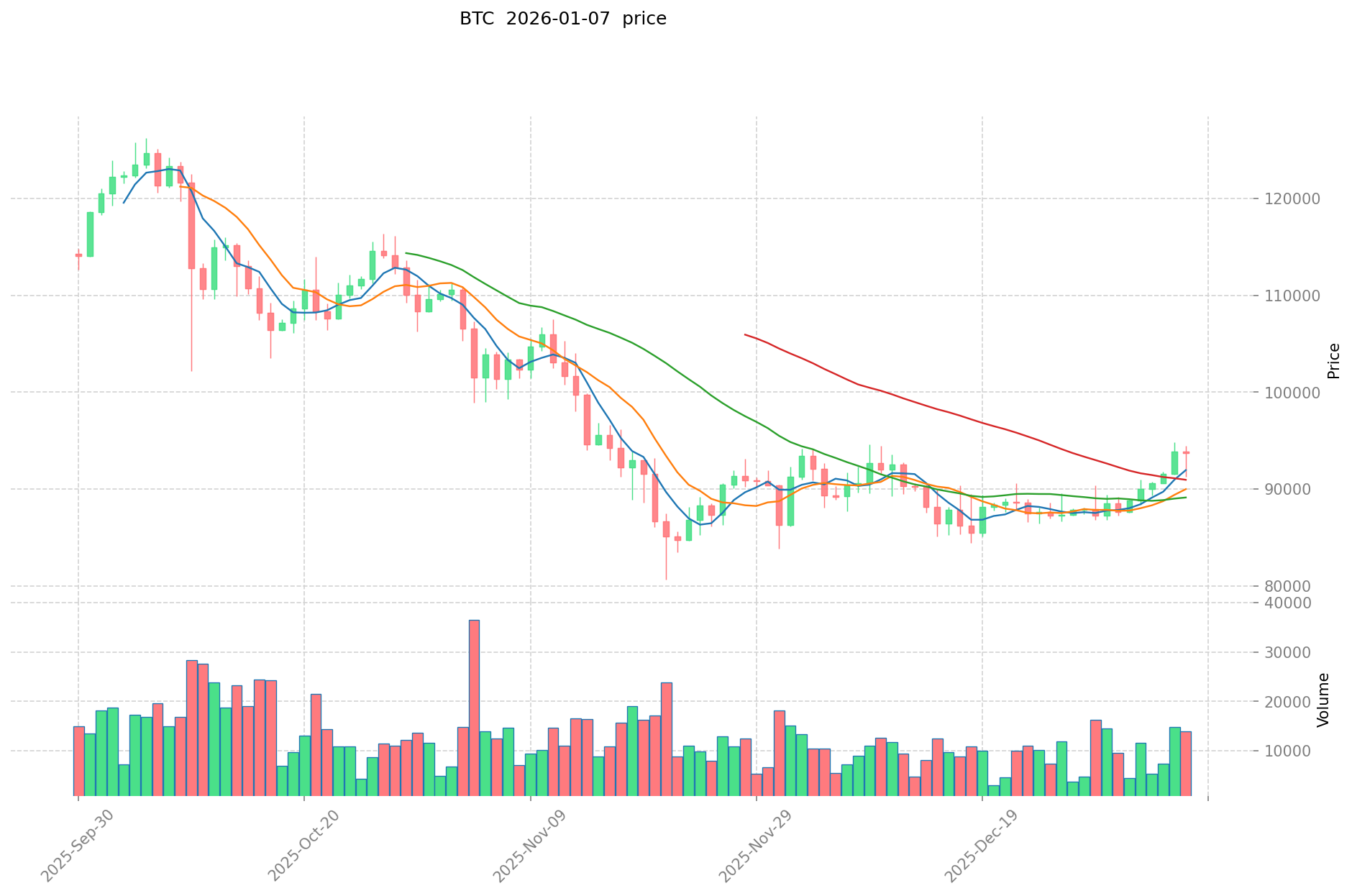 As the digital asset continues to mature, its characteristics of decentralization, limited supply, and resistance to censorship make it an increasingly attractive alternative for investors seeking to preserve wealth outside traditional financial systems.
Arráez further notes that Bitcoin's price trajectory could experience a parabolic rally in the coming months, driven primarily by macroeconomic factors rather than institutional adoption alone. This analysis suggests that the same forces that propelled gold to record highs—geopolitical uncertainty, macroeconomic instability, and concerns about traditional financial systems—could similarly benefit Bitcoin. The digital asset's unique properties, including its fixed supply cap and borderless nature, position it as a potential complement or alternative to gold in diversified portfolios. As investors increasingly recognize Bitcoin's potential as a hedge against economic uncertainty, the asset may see renewed interest, particularly if gold's consolidation phase extends or if macroeconomic conditions continue to deteriorate.
FAQ
Why did gold prices pause their uptrend in 2025? What are the main reasons?
Gold price growth paused in 2025 mainly due to improved global economic recovery and increased market liquidity. Reduced risk aversion weakened safe-haven demand, while geopolitical tensions and trade uncertainties provided some support but were insufficient to sustain the rally.
What are the advantages and disadvantages of Bitcoin compared to gold as a safe-haven asset?
Bitcoin offers higher liquidity and growth potential, but exhibits extreme price volatility. Gold provides historical stability and reliable value preservation, yet has limited appreciation. Bitcoin suits risk-tolerant investors; gold remains the traditional safe-haven choice for capital protection.
With gold's rally pausing, how should investors choose between gold and Bitcoin?
Bitcoin offers growing institutional adoption and lower volatility, making it attractive for diversification. However, gold's larger market and central bank reserves provide stability. Consider a balanced approach: gold for traditional safety, Bitcoin for growth exposure and portfolio diversification in the evolving financial landscape.
How has the historical price correlation between gold and Bitcoin evolved?
Gold and Bitcoin historically show positive correlation, strengthening in recent years. Bitcoin increasingly functions as an alternative investment asset similar to gold, with their price movements becoming more synchronized as crypto adoption grows.
Central bank purchases, real interest rates, and geopolitical tensions drive gold performance. Bitcoin is influenced by regulatory policies, institutional adoption, and market demand dynamics.
* The information is not intended to be and does not constitute financial advice or any other recommendation of any sort offered or endorsed by Gate.