This article examines a significant cryptocurrency trading loss case where Huang Licheng (Maji) lost approximately $108,000—94% of his $115,000 Ethereum long position investment. The incident demonstrates how leveraged trading amplifies losses during adverse market movements, despite an investor's experience and confidence. The analysis explores critical risk factors including excessive position sizing, inadequate leverage management, and cryptocurrency market volatility. Key lessons emphasize proper position sizing, cautious leverage use, and robust risk management protocols like stop-loss orders. The case serves as an educational resource for traders at all levels, highlighting why maintaining sufficient capital reserves and avoiding over-commitment on single positions remains essential for sustainable success in the 24/7 cryptocurrency market landscape.
Background and Investment Details
Huang Licheng, widely known in the cryptocurrency community by his pseudonym Maji, recently experienced a substantial financial setback following a major investment in Ethereum (ETH). The prominent crypto investor opened a long position worth $115,000 on Ethereum, betting on the cryptocurrency's price appreciation.
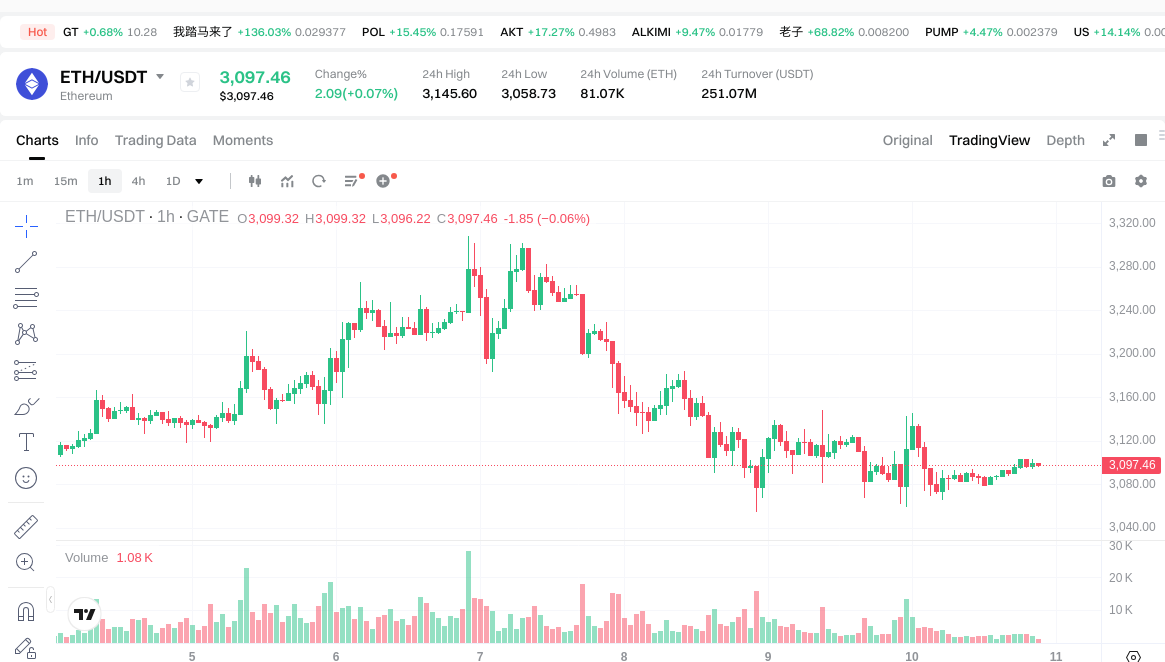 This investment strategy involved taking a bullish stance on ETH, anticipating upward market movement that would generate significant returns.
According to blockchain analyst Yu Jin, who tracks major cryptocurrency transactions and wallet activities, Huang's investment decision was made during a period of market uncertainty. The substantial position size reflected his confidence in Ethereum's potential, yet the outcome proved far different from expectations. This case demonstrates how even experienced investors can face unexpected challenges in the volatile cryptocurrency markets.
Financial Loss Analysis
The investment resulted in devastating financial consequences for Huang Licheng. Following the position's liquidation or closure, his wallet address retained only $7,000 from the original $115,000 investment. This represents a loss of approximately $108,000, or roughly 94% of the initial capital committed to the trade.
Several factors contributed to this significant loss. The leveraged nature of the position meant that relatively small price movements against Huang's prediction could result in magnified losses. When Ethereum's price moved contrary to expectations, the leverage amplified the negative impact on his investment. The rapid depletion of funds in his address suggests either a forced liquidation due to insufficient margin or a strategic decision to exit the position to prevent total capital loss.
Blockchain transparency allowed analysts like Yu Jin to track these transactions in real-time, providing the cryptocurrency community with insights into the risks associated with leveraged trading strategies. The public nature of blockchain data means that such significant losses become case studies for other investors.
Market Implications and Risks
This incident serves as a stark reminder of the inherent volatility in cryptocurrency trading. Ethereum, despite being the second-largest cryptocurrency by market capitalization, experiences significant price fluctuations that can quickly turn profitable positions into substantial losses. The cryptocurrency market operates continuously without traditional circuit breakers, meaning that adverse price movements can occur rapidly and without warning.
Leveraged positions, while offering the potential for amplified gains, carry proportionally increased risks. When traders use leverage, they borrow funds to increase their position size, which magnifies both potential profits and losses. In Huang's case, the leverage likely contributed to the rapid erosion of his capital as Ethereum's price moved against his position.
The broader crypto market has experienced increased volatility in recent periods, with various factors including regulatory developments, macroeconomic conditions, and market sentiment contributing to price instability. Even experienced investors with substantial resources can find themselves on the wrong side of market movements, as this case illustrates.
Lessons for Crypto Traders
Huang Licheng's experience offers valuable lessons for cryptocurrency traders at all levels. First, position sizing remains crucial in risk management. Even with strong convictions about market direction, allocating excessive capital to a single leveraged position can result in catastrophic losses. Diversification across multiple assets and strategies can help mitigate such risks.
Second, leverage should be used cautiously and with full understanding of the potential consequences. While leverage can enhance returns during favorable market conditions, it equally accelerates losses when markets move adversely. Traders must ensure they have adequate risk management protocols, including stop-loss orders and position limits.
Third, even prominent investors with significant experience can face substantial losses in cryptocurrency markets. This reality underscores the importance of continuous learning, market analysis, and emotional discipline. The transparency of blockchain technology means that both successes and failures become public knowledge, serving as educational opportunities for the broader community.
Finally, maintaining sufficient capital reserves and avoiding over-commitment to single positions can help traders survive adverse market conditions and continue participating in future opportunities. The cryptocurrency market's 24/7 nature and high volatility require robust risk management strategies that go beyond traditional financial market approaches.
FAQ
What is an ETH long position? Why does it face loss risks?
An ETH long position is a bet that Ethereum's price will rise. It faces loss risks because if the price falls instead, you lose money or face liquidation. High leverage amplifies these losses significantly.
What are the risks of leverage trading in cryptocurrency trading? How to avoid significant losses?
Leverage trading amplifies both profits and losses in crypto markets. Key risks include liquidation, volatility exposure, and margin calls. Avoid significant losses by using lower leverage ratios, setting strict stop-loss orders, managing position sizes carefully, and never risking more than you can afford to lose.
What strategy should traders holding long positions adopt when ETH price declines?
Traders should set stop-loss orders to limit losses, monitor support levels for potential rebounds, and consider reducing position size or averaging down if confident in long-term recovery prospects.
How to effectively manage risk and capital in cryptocurrency markets?
Implement diversification across assets, set stop-loss orders, maintain optimal risk-reward ratios of 1:2, use hedging strategies, and manage leverage carefully. Conduct thorough fundamental analysis and establish clear exit strategies before trading.
What are stop loss and take profit? Why are these important for long-term traders?
Stop loss automatically closes positions at preset prices to limit losses, while take profit locks in gains at target levels. Both are essential for long-term traders as they enforce disciplined risk management, prevent emotional decisions, and ensure consistent profitability through systematic position control.
* The information is not intended to be and does not constitute financial advice or any other recommendation of any sort offered or endorsed by Gate.