Learn how JP Morgan was accused of engineering the crypto crash on October 10, 2024, which led to $19 billion in liquidations. This analysis covers market manipulation, MicroStrategy's involvement, and Saylor's response, along with explanations of crypto regulation and institutional risk factors.
JP Morgan faced accusations of orchestrating the October 10 crypto market crash by recycling a 42-day-old MSCI document warning about MicroStrategy's potential exclusion, which triggered $19 billion in forced liquidations.
Analysts from Bitcoin For Corporations attributed the October 10 crypto market crash to JP Morgan Chase, referencing a 42-day-old document that preceded $19 billion in liquidations. This sparked intense debate in the crypto community over possible market manipulation by traditional financial institutions.
Adrian, an analyst at Bitcoin For Corporations, asserted the October 10 crash appeared engineered. He cited a JPMorgan investment note warning that MicroStrategy (now Strategy) risked removal from the MSCI USA and Nasdaq 100 indices, estimating $2.8 billion in capital outflows for the largest corporate Bitcoin holder. The timing of this warning raised notable market suspicion.
"This document has been public for 42 days. The market ignored it for six weeks. Then, after several losing days in November, JP Morgan resurfaced it to stoke 'exclusion risk' fears. They recycled an expired story to accelerate a massive sell-off," Adrian said. This approach suggests possible deliberate sentiment manipulation during market vulnerability.
Timeline Reveals JP Morgan’s Coordinated Attack on Bitcoin Treasury Companies
Adrian alleged MSCI (Morgan Stanley Capital International) timed the document’s release as an attack on $MSTR and digital asset treasury firms. His analysis points to a deliberate sequence of actions designed to undermine MicroStrategy’s market position.
"They want you to think the exclusion decision is organic. The timeline shows it’s discriminatory theater," Adrian explained. His research details a series of interlinked events suggesting a coordinated strategy.
Adrian’s timeline tracks four critical events between May and October, each compounding pressure on MicroStrategy and the broader Bitcoin market.
The sequence began May 14, when Jim Chanos announced a "Long $BTC, Short $MSTR" trade, which Adrian described as a clear attempt to sway market sentiment. This public move by a prominent investor set the tone for subsequent events and signaled an institutional bearish posture toward MicroStrategy.
On July 7—two months later—JP Morgan raised firmwide margin requirements for $MSTR trades from 50% to 95%. Adrian called it a leverage choke intended to force liquidations and manufacture selling pressure. This major margin hike sharply limited investors’ ability to hold leveraged MicroStrategy positions, priming conditions for a liquidation cascade.
On September 12, Metaplanet announced a capital raise, which Adrian claims set off MSCI panic about companies following the Saylor Playbook at scale. This event showed MicroStrategy’s strategy of acquiring Bitcoin via corporate debt was being replicated, potentially threatening traditional institutional control.
The timeline peaked October 10, when MSCI extended its consultation exactly 16 minutes before President Trump’s 4:50 PM EDT tariff announcement, triggering a crypto flash crash. "There’s no way this is coincidence. They used macro panic as cover to bury the announcement," Adrian said. This pinpoint timing strongly suggests deliberate coordination to maximize market impact.
Fear Amplified to Trigger the October 10 Crypto Crash
Crypto commentator Mario Nawfal also accused JPMorgan of amplifying fear through a bearish note as BTC and MSTR weakened, calling it "classic Wall Street timing." Publishing negative analysis during market weakness is a known tactic to accelerate price downturns.
Nawfal concluded, "The October 10 crash wasn’t a fundamental collapse. It was technical panic from unexpected index risk in a stressed market." This distinction matters, suggesting the decline reflected sentiment manipulation and technical pressures, not underlying changes in Bitcoin or MicroStrategy fundamentals.
Investment banker Simon Dixon accused JPMorgan of using "vassal tactics" to control Saylor’s Strategy. Dixon argued Saylor was appropriated by Wall Street once he accepted corporate debt, and banks are manipulating Bitcoin’s price while Saylor centralizes Bitcoin within a Wall Street wrapper. This critique underscores fundamental tensions between Bitcoin’s decentralization and institutional adoption.
Dixon further criticized Saylor for encouraging borrowing against Bitcoin, enabling centralization via liquidations. Dixon contends this strategy creates systemic vulnerabilities that legacy financial institutions can exploit to control the Bitcoin market.
Saylor’s Response and the Outlook for Bitcoin and MSTR
Saylor later addressed the accusations, stating MicroStrategy is an operating company with software revenue and BTC-backed credit products—not a fund. This distinction is important for index classification and the company’s long-term business model.
In a post titled "Response to the MSCI Index Matter," Saylor wrote that MSCI’s classification does not define the company. "Our strategy is long-term, our conviction in Bitcoin is unwavering, and our mission remains unchanged." This statement reinforces MicroStrategy’s commitment to its Bitcoin treasury strategy despite market and institutional pressures.
MSCI’s final decision arrived January 15, 2026. Analysts maintain JP Morgan’s alarm coincided with MSTR’s weak performance, strengthening suspicions of coordinated market manipulation.
In Q3, JP Morgan, BlackRock, and Vanguard sold over $5 billion in $MSTR shares. JP Morgan alone offloaded 25% of its stake before MSCI’s decision. These large-scale institutional sales significantly increased downward pressure on MicroStrategy shares.
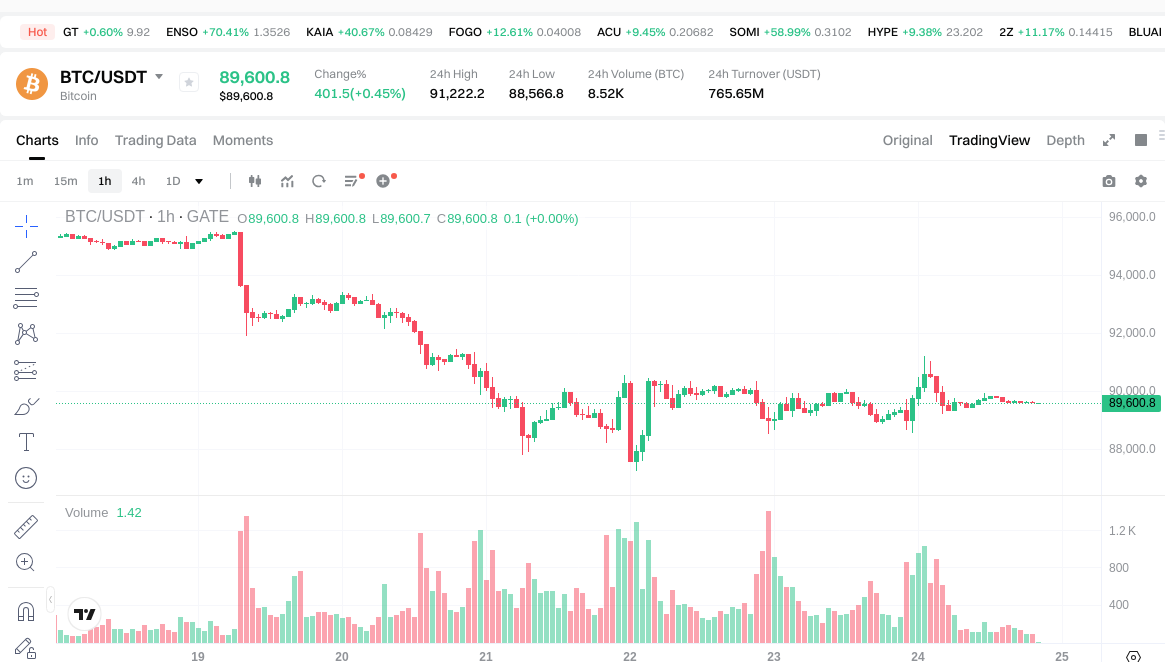
BTC posted a 12% decline since the start of 2025, while MSTR shares dropped 56% month-over-month and 41% in the past month alone. These dramatic moves illustrate the severe volatility and market pressure faced by both Bitcoin and MicroStrategy during this period.
Since Strategy’s share price rises and falls with Bitcoin, Cryptonews analysts suggest this could have severe future consequences. The tight correlation between Bitcoin’s price and MicroStrategy’s stock creates systemic risk, which could intensify during market stress—particularly if traditional financial institutions continue coordinated pressure on Bitcoin treasury firms.
FAQ
What are the specific allegations against JP Morgan for manipulating the October 10 market crash?
The allegations claim JP Morgan used a 42-day-old document to artificially create the October 10 crash, manipulating transaction data and market pressures to drive cryptocurrency prices lower.
What did the 42-day-old document contain, and why is it considered evidence?
The document included market analysis and trading strategies allegedly forecasting price moves. It’s considered evidence because its predictions aligned with the October 10 crash, suggesting prior knowledge of impending market events.
How did JP Morgan officially respond to the market manipulation accusations?
JP Morgan categorically denied the accusations, stating its operations comply with all regulations. The bank dismissed the 42-day-old document as unfounded evidence, standing by its commitment to transparency and legal operations.
Do these market manipulation allegations have legal basis, and which authorities should investigate?
Market manipulation allegations require solid evidence. The SEC, CFTC, and international financial regulators are the appropriate authorities to investigate. Concrete documentary proof and technical analysis are needed to determine if regulatory violations occurred.
What was the true cause of the October 10 market crash, and what was JP Morgan’s involvement?
The October 10 crash was driven by multiple macroeconomic factors and institutional selling pressure. There’s no reliable evidence JP Morgan deliberately engineered the crash using 42-day-old documents. Market movements reflected natural supply-demand dynamics.
* The information is not intended to be and does not constitute financial advice or any other recommendation of any sort offered or endorsed by Gate.