Judge Torres halted Ripple Labs and SEC's proposed $50 million settlement, maintaining restrictions on institutional XRP sales. The rejection signals the court requires comprehensive legal resolution before settlement approval. This decision prolongs regulatory uncertainty surrounding XRP's securities classification and impacts Ripple's institutional business operations. The case carries significant implications for cryptocurrency regulation under U.S. securities law, establishing precedents for how digital assets are classified and regulated. Market participants remain closely monitoring developments, as the ruling affects XRP's trading status on major exchanges and influences broader industry discussions about cryptocurrency regulatory frameworks. Legal experts anticipate this litigation will shape how cryptocurrency companies structure token offerings and navigate regulatory requirements moving forward.
Background of the Case
The legal battle between Ripple Labs and the United States Securities and Exchange Commission (SEC) has been one of the most closely watched cases in the cryptocurrency industry. The SEC filed a lawsuit against Ripple in December 2020, alleging that the company conducted an unregistered securities offering through the sale of XRP tokens. The case has significant implications for the broader cryptocurrency market, as it addresses fundamental questions about whether certain digital assets should be classified as securities under U.S. law.
Judge Analisa Torres has presided over this high-profile case, and her rulings have been pivotal in shaping the trajectory of the litigation. The case has seen numerous developments, with both parties presenting extensive arguments regarding the nature of XRP and the legality of Ripple's token distribution methods. The outcome of this case is expected to set important precedents for how cryptocurrency companies operate within the United States regulatory framework.
Details of the Rejected Settlement
In a recent development, Judge Torres rejected a joint motion filed by Ripple Labs and the SEC to modify the final judgment in their ongoing legal dispute. The proposed settlement would have involved Ripple paying a penalty of $50 million to resolve certain aspects of the case. However, the judge's decision to deny this motion means that the proposed settlement cannot move forward as initially planned.
The rejection maintains the existing legal restrictions on Ripple's institutional sales of XRP tokens. These restrictions were put in place as part of earlier court orders and continue to limit how Ripple can distribute and sell XRP to institutional investors. The judge's decision suggests that the court requires more comprehensive resolution of the underlying legal issues before any settlement can be approved.
The joint motion represented an attempt by both parties to reach a partial resolution that would have provided some clarity regarding Ripple's future operations. The $50 million settlement figure was negotiated between Ripple and the SEC as a potential penalty for certain alleged violations. However, Judge Torres' rejection indicates that the court may have concerns about the adequacy or appropriateness of this proposed resolution.
Impact on Ripple and XRP
The rejection of the settlement motion extends the uncertainty surrounding Ripple's business operations and the regulatory status of XRP. This prolonged legal ambiguity affects multiple aspects of Ripple's operations, including its ability to conduct institutional sales, its relationships with financial partners, and its overall business strategy in the United States market.
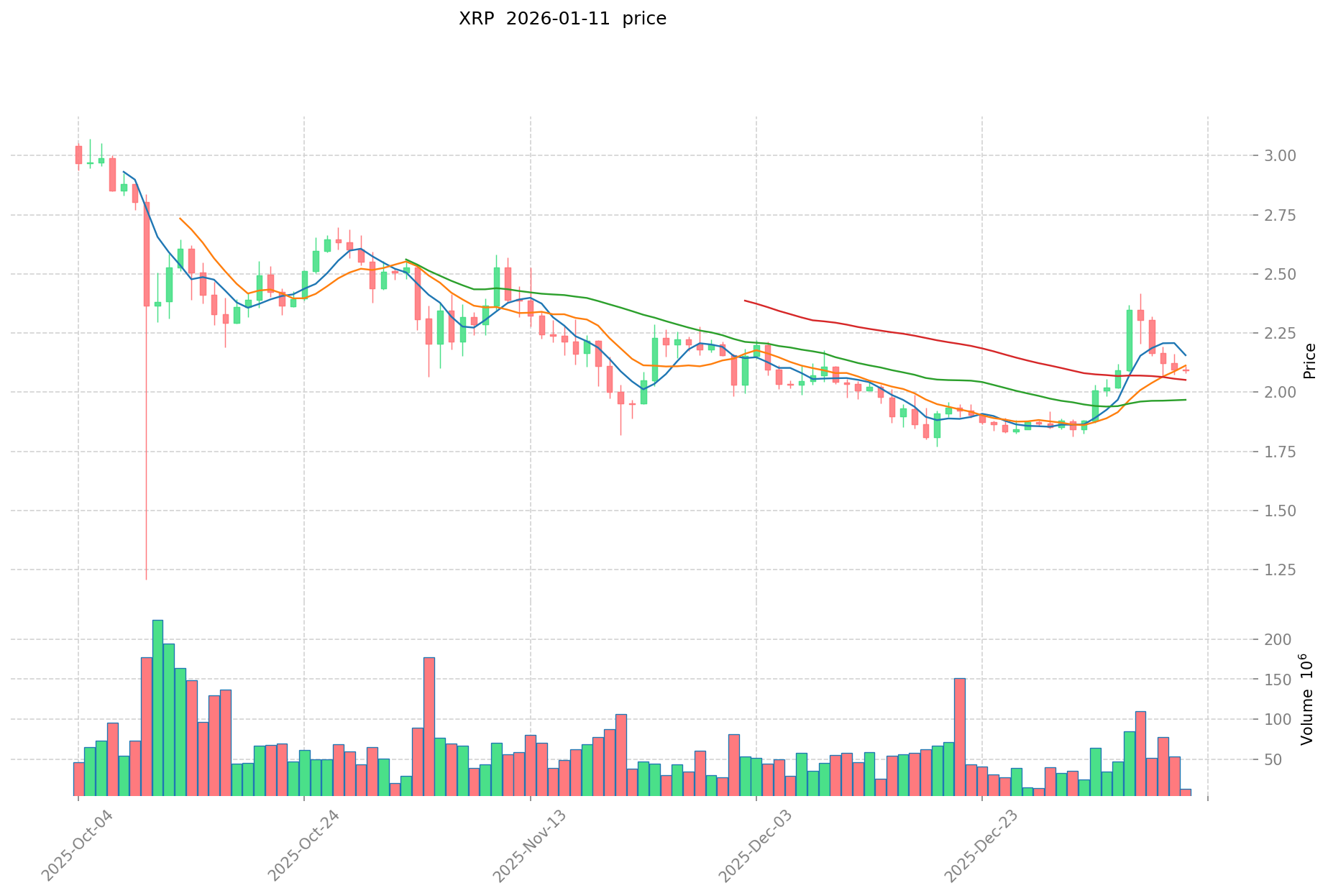
For XRP token holders, this decision means continued regulatory uncertainty regarding the asset's classification and legal status. The cryptocurrency has faced significant challenges since the SEC lawsuit was filed, including delisting from several major cryptocurrency exchanges. The ongoing legal proceedings continue to influence XRP's market performance and adoption by institutional investors.
Ripple's management has consistently maintained that XRP should not be classified as a security and that the company's token distribution practices comply with applicable laws. However, the continued litigation and the rejection of the settlement motion demonstrate that these fundamental questions remain unresolved in the eyes of the court and regulatory authorities.
Legal Implications
The judge's decision to block the settlement motion carries significant legal implications for both parties and the broader cryptocurrency industry. By rejecting the proposed modification to the final judgment, Judge Torres signals that the court requires a more thorough resolution of the substantive legal issues at stake. This approach suggests that partial settlements may not be sufficient to address the complex regulatory questions raised by the case.
The maintenance of restrictions on institutional XRP sales indicates that the court continues to view certain aspects of Ripple's token distribution as potentially problematic from a securities law perspective. These ongoing restrictions affect how Ripple can structure its business relationships and revenue streams, particularly in dealings with institutional investors and financial institutions.
Legal experts have noted that this case could establish important precedents regarding how cryptocurrency tokens are classified and regulated under U.S. securities laws. The court's careful approach to settlement proposals suggests a recognition of the case's broader significance beyond just the immediate parties involved. The outcome will likely influence how other cryptocurrency companies structure their token offerings and distribution strategies.
Market Reaction
The cryptocurrency market has been closely monitoring developments in the Ripple-SEC case, as the outcome could have far-reaching implications for the industry. The rejection of the settlement motion represents another chapter in this ongoing saga, contributing to continued market uncertainty regarding XRP and similar digital assets.
Investors and market participants have expressed mixed reactions to the news. Some view the rejection as a setback that prolongs uncertainty, while others interpret it as a sign that the court is taking a thorough and careful approach to resolving complex legal questions. The decision reinforces the importance of regulatory clarity for the cryptocurrency industry's long-term development.
The case continues to influence discussions about cryptocurrency regulation in the United States and globally. As the litigation proceeds, market participants will be watching closely for any developments that could provide greater clarity regarding the regulatory treatment of XRP and similar digital assets. The ultimate resolution of this case is expected to have lasting impacts on how cryptocurrency companies navigate regulatory requirements and structure their operations.
FAQ
Judge Torres为什么驳回了Ripple和SEC的5000万美元和解协议?
Judge Torres rejected the settlement because it failed to meet judicial and public interest requirements. She ruled that permanent injunctions and civil penalties cannot be withdrawn without court approval, stating the parties failed to demonstrate special circumstances justifying the removal of penalties.
How does this court ruling impact Ripple and XRP's future?
Judge Torres's decision rejecting the $50M settlement strengthens Ripple's position in its SEC dispute. This could establish clearer regulatory frameworks for XRP classification, potentially enabling broader institutional adoption and increasing XRP's market value significantly in coming years.
Ripple与SEC的诉讼接下来会如何发展?还会有其他和解机会吗?
法院已裁定XRP在二级市场不属证券,但Ripple仍可能因早期销售面临额外罚款或和解。SEC可能继续追责,双方未来仍有谈判空间,但监管前景仍存不确定性。
What does the outcome of this case mean for the regulatory prospects of the entire cryptocurrency industry?
The ruling challenges the SEC's stance that crypto is inherently securities, emphasizing transaction methods over asset nature. Though subject to appeal, it significantly limits SEC's regulatory authority and catalyzes legislative action toward clear crypto frameworks.
How should investors view the impact of this legal ruling on XRP's price?
The ruling clarifies XRP's non-security status in secondary markets, reducing legal uncertainty and potentially enabling broader exchange support. This could strengthen price stability and institutional adoption. However, Ripple still faces potential penalties for early sales, so comprehensive regulatory clarity remains incomplete.
* The information is not intended to be and does not constitute financial advice or any other recommendation of any sort offered or endorsed by Gate.