Ledger launches the CL Card, a revolutionary Visa-branded crypto debit card enabling seamless Bitcoin spending while maintaining full self-custody of digital assets. This innovative product bridges cryptocurrency and traditional payment systems, allowing users to spend crypto at millions of merchants worldwide without transferring funds to third parties. The card features a 1% Bitcoin cashback rewards program, automated salary conversion to Bitcoin, and stablecoin transaction support through partnerships with Baanx and Concordium. Available across most U.S. states excluding New York and Vermont, the CL Card represents significant regulatory progress in crypto payment adoption. Ledger's strategic partnerships with Alpine Formula 1, NBA's San Antonio Spurs, and Balenciaga further position cryptocurrency as an essential lifestyle tool. The card combines enterprise-grade security infrastructure with user-friendly spending capabilities, making digital assets practical for everyday transactions.
Product Overview: Introducing the CL Card
Ledger, a leading provider of cryptocurrency hardware wallets, has unveiled the CL Card, a groundbreaking financial product that bridges traditional payment systems with the cryptocurrency ecosystem. This Visa-branded crypto card represents a significant innovation in the digital asset space, enabling users to seamlessly spend Bitcoin (BTC) for everyday transactions while maintaining complete self-custody of their cryptocurrency holdings.
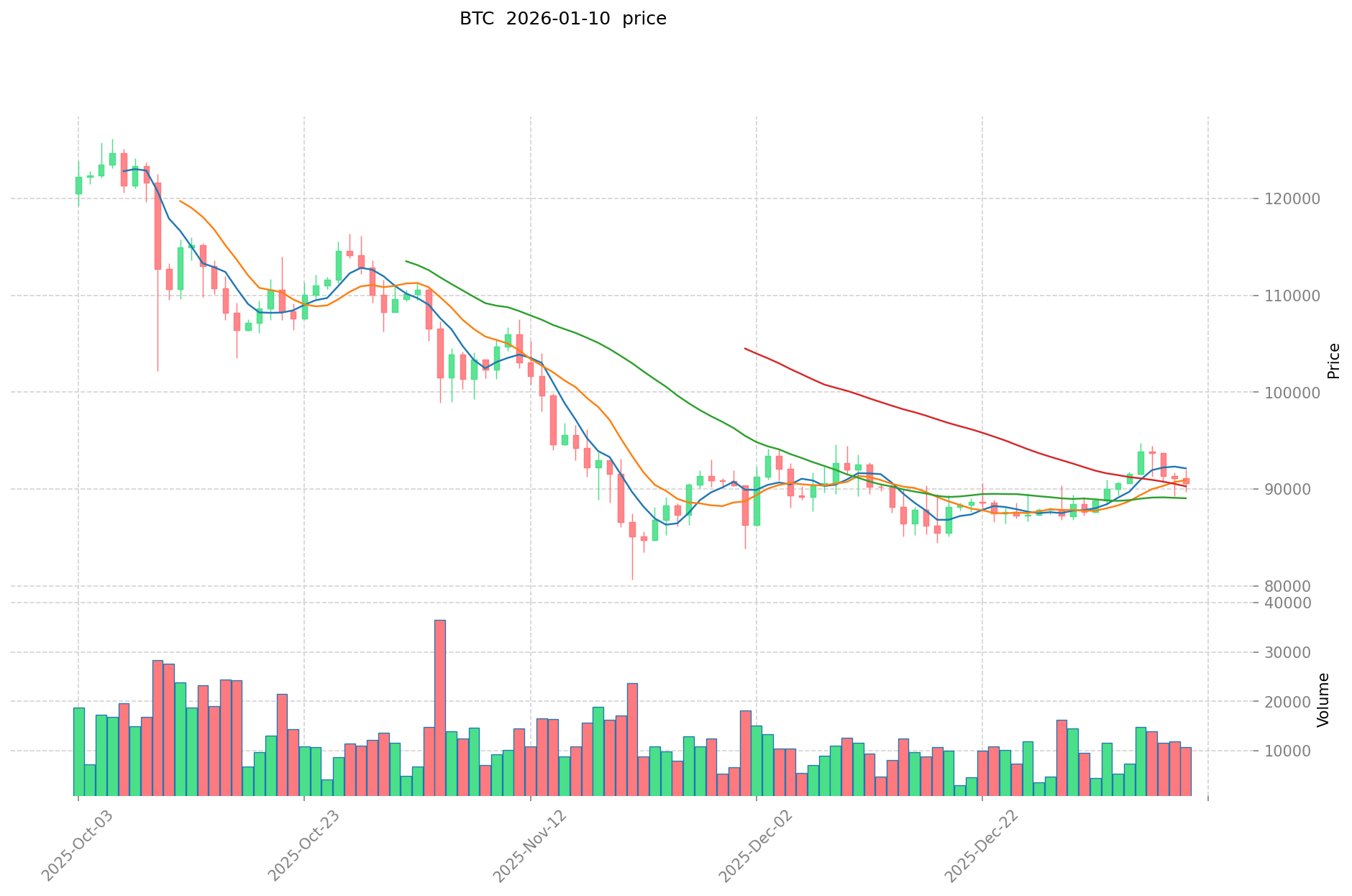 Unlike conventional crypto cards that require users to transfer assets to third-party custodians, the CL Card allows individuals to retain full control over their private keys and funds.
Developed through a strategic collaboration with Baanx, a fintech company specializing in cryptocurrency payment solutions, the CL Card integrates Ledger's renowned security infrastructure with Visa's global payment network. This partnership ensures that users can leverage their Bitcoin holdings for real-world purchases at millions of Visa-accepting merchants worldwide, without compromising the fundamental principle of self-custody that defines the cryptocurrency ethos. The card essentially functions as a bridge between the decentralized world of digital assets and the established traditional financial system.
Key Features and Benefits
The CL Card offers several compelling features designed to enhance the user experience and provide tangible value to cryptocurrency holders. One of the most attractive benefits is the 1% cashback reward program, where users earn Bitcoin on every purchase made with the card. This incentive structure not only encourages card usage but also allows users to gradually accumulate additional Bitcoin through their everyday spending activities. The cashback mechanism represents a modern twist on traditional credit card rewards, aligning with the preferences of crypto-native users who prefer to accumulate digital assets rather than fiat currency or airline miles.
Another innovative feature is the direct salary conversion functionality, which enables users to automatically convert a portion or all of their salary payments into Bitcoin. This feature addresses a common pain point for cryptocurrency enthusiasts who previously had to manually purchase BTC through exchanges after receiving their paychecks. By automating this process, Ledger simplifies dollar-cost averaging strategies and makes it easier for individuals to build their Bitcoin positions over time. This functionality is particularly valuable in an era where more employers are becoming open to alternative payment arrangements.
Furthermore, Ledger has partnered with Concordium, a blockchain platform focused on privacy and regulatory compliance, to facilitate secure stablecoin transactions directly from hardware wallets. This collaboration enhances the card's utility by supporting privacy-focused payments while maintaining compliance with regulatory requirements. The integration of stablecoin functionality provides users with additional flexibility, allowing them to choose between spending volatile assets like Bitcoin or more stable cryptocurrency options depending on market conditions and personal preferences.
Regulatory Compliance and Market Availability
The launch of the CL Card in the United States marks a significant regulatory milestone for cryptocurrency financial products. The card is now available to users across most U.S. states, with the notable exceptions of New York and Vermont, which maintain more stringent regulatory frameworks for cryptocurrency-related services. This widespread availability demonstrates Ledger's commitment to navigating complex regulatory landscapes and obtaining necessary approvals to operate within established financial systems.
The ability to offer a Visa-branded crypto card in the U.S. market represents substantial progress in the mainstream acceptance of cryptocurrency payment tools. Regulatory clarity and compliance have been major obstacles for crypto companies seeking to provide traditional financial services, and Ledger's success in launching the CL Card indicates growing regulatory accommodation for properly structured cryptocurrency products. The partnership with Visa, one of the world's largest payment networks, further legitimizes the product and provides users with confidence in its reliability and acceptance.
The exclusion of New York and Vermont from the initial rollout reflects the unique regulatory challenges posed by these jurisdictions. New York's BitLicense framework and Vermont's specific cryptocurrency regulations require additional compliance measures that may be addressed in future expansion phases. Nevertheless, the card's availability in the majority of U.S. states provides a substantial market opportunity and positions Ledger as a pioneer in compliant crypto payment solutions.
Strategic Partnerships and Ecosystem Expansion
Beyond the product itself, Ledger has pursued an ambitious strategy of high-profile partnerships designed to integrate cryptocurrency into lifestyle, sports, and fashion sectors. The company has established collaborations with Alpine Formula 1 racing team, the NBA's San Antonio Spurs, and luxury fashion house Balenciaga. These partnerships serve multiple strategic purposes: they increase brand visibility among diverse audiences, associate cryptocurrency with prestigious cultural institutions, and demonstrate the practical utility of digital assets in contexts beyond pure financial speculation.
The Alpine Formula 1 partnership connects Ledger with the global motorsports community, a demographic that often overlaps with technology enthusiasts and early adopters. Similarly, the collaboration with the San Antonio Spurs brings cryptocurrency exposure to mainstream sports fans and provides opportunities for innovative fan engagement initiatives. The Balenciaga partnership is particularly noteworthy, as it positions cryptocurrency at the intersection of technology and high fashion, appealing to affluent consumers who value both cutting-edge innovation and cultural cachet.
These strategic alliances reflect Ledger's vision of cryptocurrency as an integral component of modern lifestyle rather than merely a speculative investment vehicle. By partnering with organizations that have strong cultural influence and loyal followings, Ledger aims to normalize cryptocurrency usage and demonstrate its relevance across various aspects of daily life. The CL Card serves as the practical tool that enables this vision, providing users with a convenient method to spend their digital assets in contexts ranging from sports events to luxury purchases, thereby accelerating the mainstream adoption of cryptocurrency as a legitimate payment medium.
FAQ
What is Ledger Visa CL Card? How does it help me spend cryptocurrencies?
Ledger Visa CL Card is a crypto-linked debit card enabling direct cryptocurrency spending at merchants worldwide. It seamlessly converts your crypto assets into fiat currency at point of sale, bridging crypto and traditional commerce for instant, convenient transactions.
How to apply and activate Ledger Visa CL Card? What are the application requirements?
To apply for Ledger Visa CL Card, you must be at least 18 years old with valid identification. Apply through the official Ledger website, complete KYC verification, and activate by providing personal information. No specific Ledger device required.
Which cryptocurrencies and blockchain networks does this card support?
The card supports Bitcoin, Ethereum, and stablecoins for spending. It's compatible with Visa and Mastercard networks, enabling seamless everyday purchases wherever these payment methods are accepted.
What fees do I need to pay when spending with Ledger Visa CL Card?
Ledger Visa CL Card charges standard card fees including ATM withdrawal fees and international transaction fees where applicable. You earn 1% cashback in Bitcoin, USDC, or USDT on every purchase, offsetting costs. Specific fees vary by region and transaction type.
Ledger Visa CL Card leverages Ledger's hardware wallet security technology to protect your crypto assets and personal data with industry-leading encryption. Your funds remain secure throughout all transactions.
What are the advantages of Ledger Visa CL Card compared to other crypto debit cards?
Ledger Visa CL Card offers seamless crypto-to-fiat conversion with enhanced security through hidden transaction mechanisms in its mobile app. It provides user-friendly access to crypto funds without exposing sensitive details, enabling secure spending directly from your crypto holdings.
* The information is not intended to be and does not constitute financial advice or any other recommendation of any sort offered or endorsed by Gate.