Len Sassaman stands as a trailblazer in cryptography and the cypherpunk movement, revolutionizing digital privacy advocacy from the late 1990s onward. This comprehensive article explores his pioneering contributions to anonymous communication systems, particularly the Mixmaster remailer technology and PGP encryption standards that remain foundational to modern privacy tools. Readers will discover how Sassaman's technical expertise and commitment to accessible privacy technology shaped contemporary security protocols. The article addresses widespread speculation about potential connections to Bitcoin's creation while documenting his verified cryptographic achievements. Essential for privacy advocates, cryptography enthusiasts, and those seeking to understand the evolution of digital security, this piece reveals how Sassaman's documented work continues influencing global privacy protection standards and inspiring new generations of cryptographers committed to safeguarding individual digital rights.
Early Life and Career Contributions
Len Sassaman emerged as one of the most influential figures in the cypherpunk movement, dedicating his career to advancing digital privacy and secure communication technologies. As a renowned cryptographer, Sassaman's work was driven by a fundamental belief in the right to privacy in the digital age. His contributions to the field began in the late 1990s and continued throughout the 2000s, during a critical period when internet privacy and security protocols were being established.
Sassaman's approach to cryptography was characterized by both technical excellence and a deep commitment to making privacy tools accessible to ordinary users. He understood that the most sophisticated encryption systems would be meaningless if they remained too complex for widespread adoption. This philosophy guided much of his work and collaboration with other privacy advocates in the cypherpunk community.
Key Achievements in Cryptography
Among Sassaman's most significant contributions was his pivotal role in developing the Mixmaster anonymous remailer system. This technology represented a major advancement in anonymous communication, allowing users to send messages without revealing their identity or location. The Mixmaster system employed sophisticated cryptographic techniques to route messages through multiple servers, effectively obscuring the sender's identity through a process known as mix cascading.
Beyond the Mixmaster project, Sassaman made substantial contributions to the Pretty Good Privacy (PGP) encryption standard. PGP has become one of the most widely used encryption protocols for securing email communications and digital data. Sassaman's work on PGP helped refine and strengthen the standard, making it more robust against various attack vectors. His contributions to PGP continue to influence secure communication protocols in modern times, as the fundamental principles he helped establish remain relevant to contemporary privacy tools.
Sassaman also worked on various other cryptographic projects and was known for his collaborative approach within the open-source community. He believed strongly in the power of collective development and peer review to create more secure and reliable privacy technologies.
Following Sassaman's tragic death in 2011, speculation emerged within certain circles regarding a possible connection between him and Satoshi Nakamoto, the pseudonymous creator of Bitcoin. These theories were based on several factors, including the timing of Sassaman's death coinciding with Satoshi's disappearance from public communication, as well as Sassaman's deep knowledge of cryptography and digital currencies.
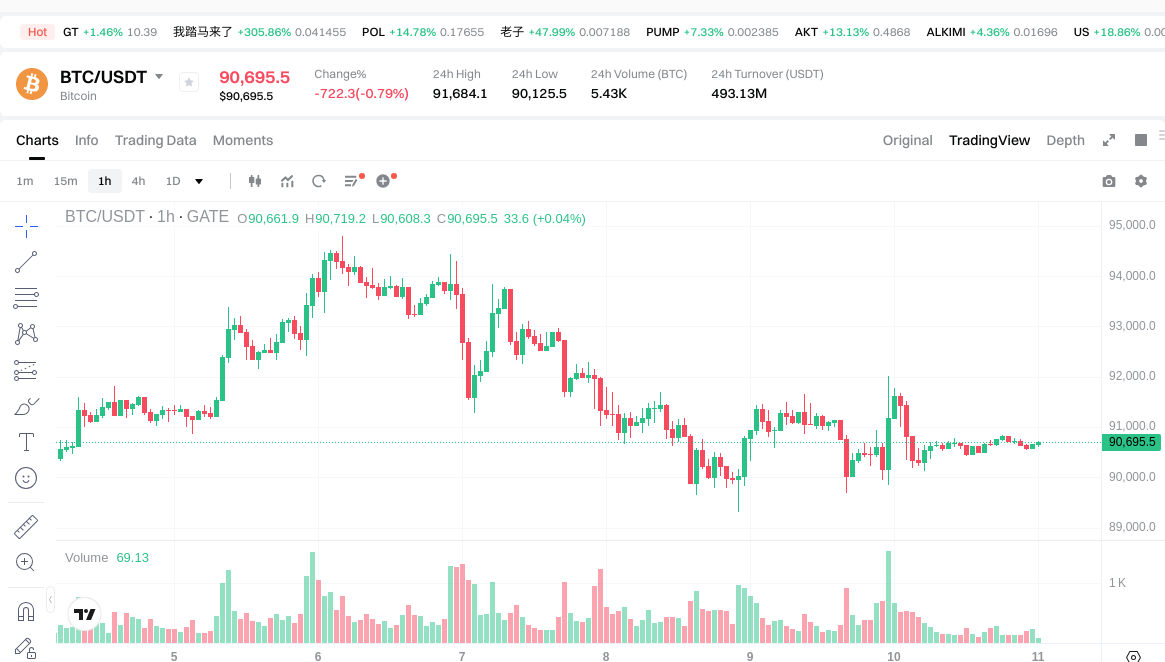
Proponents of this theory pointed to Sassaman's technical expertise, his involvement in the cypherpunk community where Bitcoin's philosophical foundations were discussed, and certain writing style similarities. However, it is important to note that no concrete evidence has ever substantiated these claims. The speculation remains largely circumstantial and has not been definitively proven or disproven.
The Bitcoin community and cryptography experts have generally treated these theories with appropriate skepticism, recognizing that while Sassaman certainly possessed the technical skills that would be required to create Bitcoin, the same could be said of many other talented cryptographers from that era.
Lasting Legacy in Digital Privacy
Regardless of any connection to Bitcoin, Len Sassaman's enduring legacy lies firmly in his documented contributions to cryptography and privacy advocacy. His work on anonymous communication systems and encryption standards has had a lasting impact on how we approach digital security and privacy protection in modern times.
The tools and protocols that Sassaman helped develop continue to serve as foundational elements in contemporary privacy technologies. The Mixmaster remailer system, while evolved in various forms, established principles that inform current anonymous communication networks. Similarly, his contributions to PGP encryption remain relevant as organizations and individuals worldwide rely on these standards to protect sensitive information.
Sassaman's legacy also extends to his role as a mentor and collaborator within the cryptography community. He was known for his willingness to share knowledge and work with others to advance the common goal of digital privacy. His approach to open-source development and community collaboration has influenced how privacy tools are developed and maintained.
In recent years, as concerns about digital privacy and surveillance have intensified, Sassaman's work has gained renewed appreciation. The principles he championed—that privacy is a fundamental right and that individuals should have access to tools that protect their digital communications—remain as relevant as ever. His contributions continue to shape the landscape of digital security, inspiring new generations of cryptographers and privacy advocates to carry forward the mission of protecting individual privacy in an increasingly connected world.
FAQ
Who is Len Sassaman? What role did he play in cryptography and the Cypherpunk movement?
Len Sassaman was an influential cryptographer and cypherpunk who pioneered privacy technologies and P2P networks. He contributed to PGP development and remailer technology, laying groundwork for decentralized systems. His academic work on Byzantine fault tolerance was instrumental to modern cryptocurrency architecture. Though he passed in 2011, his legacy endures in Bitcoin's blockchain and cryptography innovation.
What are Len Sassaman's major cryptographic contributions and project work?
Len Sassaman developed PGP and Mixmaster privacy tools, contributed to P2P networks under David Chaum, and created Pynchon Gate for anonymous communication. His work on privacy-enhancing technologies directly influenced Bitcoin's foundational principles before his death in 2011.
What impact and legacy did Len Sassaman have on modern privacy protection and cryptography development?
Len Sassaman was a pioneering cypherpunk who developed the Mixmaster anonymous remailer system and contributed to PGP encryption standards. His work laid the foundation for modern privacy tools and continues to profoundly influence cryptography and privacy advocacy today.
What was Len Sassaman's relationship with other renowned cryptographers and Cypherpunk activists?
Len Sassaman collaborated closely with prominent cypherpunks including Adam Back and worked under David Chaum at COSIC. He contributed significantly to PGP, Mixmaster, and anonymity protocols, directly advancing the cypherpunk movement's core mission of privacy protection through cryptography.
How to learn more about Len Sassaman's life and cryptographic projects he participated in?
Len Sassaman was a pioneering cypherpunk cryptographer who contributed significantly to IETF projects and advanced encryption initiatives. You can explore his work through cryptography archives, academic publications on internet security, and historical records of the cypherpunk movement. His legacy continues influencing modern cryptographic standards.
* The information is not intended to be and does not constitute financial advice or any other recommendation of any sort offered or endorsed by Gate.