Paul Tudor Jones has increased Tudor Investment Corporation's Bitcoin holdings to over $445 million through BlackRock's iShares Bitcoin Trust, nearly doubling the fund's previous position. This significant institutional commitment reflects Jones' long-standing conviction in Bitcoin as an inflation hedge comparable to gold. By leveraging a regulated investment vehicle, Jones gains exposure to digital assets while maintaining traditional financial compliance. This move exemplifies the broader institutional adoption trend reshaping cryptocurrency markets, bringing increased liquidity, legitimacy, and analytical rigor. As prominent investors validate Bitcoin's role in portfolio diversification, the digital asset ecosystem experiences accelerated mainstream recognition and market maturation, signaling a fundamental shift in how traditional finance approaches cryptocurrency investment.
Significant Growth in Bitcoin Investment Scale
Paul Tudor Jones, founder and CEO of Tudor Investment Corporation, has substantially increased his firm's Bitcoin holdings, which now total over $445 million. Recent filings with the SEC reveal that the hedge fund has nearly doubled its investment in BlackRock's iShares Bitcoin Trust.
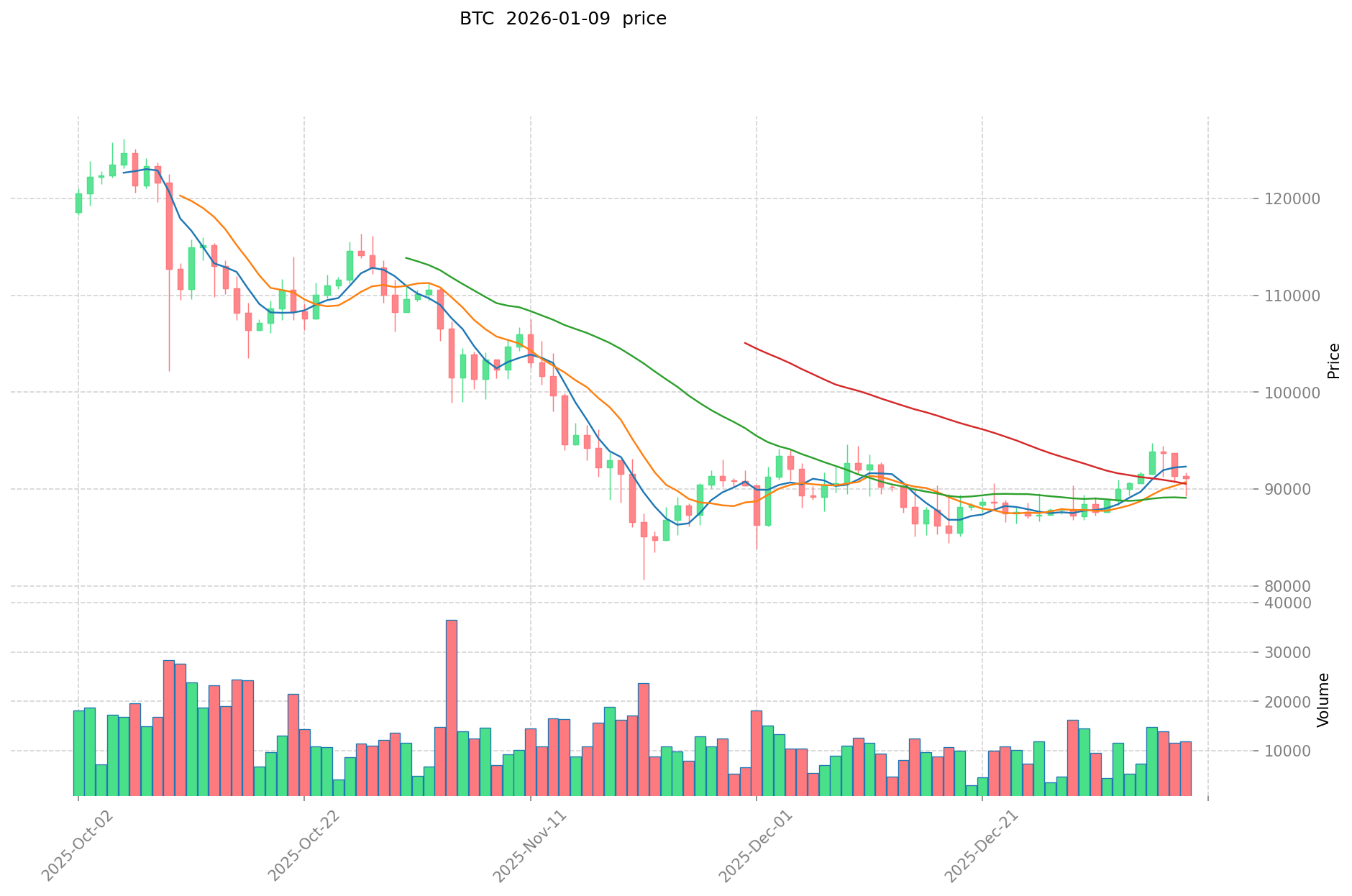 This strategic move represents one of the most significant institutional commitments to Bitcoin in recent history, demonstrating the growing confidence among traditional financial institutions in cryptocurrency as a legitimate asset class.
The expansion of Tudor Investment Corporation's Bitcoin position reflects a carefully considered investment strategy. By choosing to invest through BlackRock's iShares Bitcoin Trust, Jones has opted for a regulated and institutional-grade vehicle that provides exposure to Bitcoin while maintaining compliance with traditional financial frameworks. This approach allows the hedge fund to gain Bitcoin exposure without the operational complexities of direct cryptocurrency custody, making it an attractive option for institutional investors seeking to enter the digital asset space.
Paul Tudor Jones' Bitcoin Investment Philosophy
Jones, a long-time advocate of Bitcoin, has consistently compared the cryptocurrency to gold in terms of its ability to preserve value over time. His investment thesis centers on Bitcoin's potential as a hedge against inflation and monetary debasement, particularly in an era of unprecedented monetary expansion by central banks worldwide. This perspective has gained increasing validation as more institutional investors recognize Bitcoin's unique properties as a scarce digital asset with a fixed supply cap of 21 million coins.
The legendary investor's approach to Bitcoin reflects his broader macro-economic outlook. Jones has publicly expressed concerns about currency devaluation and the long-term sustainability of current fiscal policies. In this context, Bitcoin represents not merely a speculative investment but a strategic allocation designed to protect portfolio value against systemic economic risks. His continued accumulation of Bitcoin positions suggests unwavering conviction in this investment thesis, even as cryptocurrency markets experience volatility.
Impact of Institutional Adoption Trends
The increased allocation by Tudor Investment Corporation reflects a broader trend of institutional interest in digital assets, which could significantly influence market dynamics and encourage greater adoption by similar entities. As more hedge funds, asset managers, and corporate treasuries allocate capital to Bitcoin, the cryptocurrency market is experiencing a fundamental shift in its investor base composition. This institutional participation brings increased liquidity, stability, and legitimacy to the digital asset ecosystem.
The ripple effects of high-profile institutional investments like Jones' extend beyond immediate market impact. Such moves signal to other institutional investors that Bitcoin has matured into a credible asset class worthy of serious consideration. This validation effect can accelerate the adoption curve, as institutions that were previously hesitant may now feel more comfortable allocating capital to digital assets. Furthermore, the involvement of established financial institutions in Bitcoin investment products creates infrastructure and regulatory frameworks that facilitate broader institutional participation.
The growing institutional presence in Bitcoin markets also has implications for price discovery and market efficiency. As sophisticated investors with substantial capital enter the space, they bring analytical rigor and risk management practices that can contribute to more rational pricing mechanisms. This evolution represents a significant milestone in Bitcoin's journey from a niche digital currency to a mainstream financial asset recognized by traditional finance professionals.
FAQ
Why does Paul Tudor Jones invest in Bitcoin? What are his reasons for being bullish on Bitcoin?
Paul Tudor Jones views Bitcoin as an inflation hedge, similar to gold and TIPS bonds. He believes it effectively protects wealth during economic uncertainty and serves as a store of value against currency debasement.
What percentage of Paul Tudor Jones's total assets does his $445 million Bitcoin holding represent?
Paul Tudor Jones's $445 million Bitcoin holding represents approximately 10% of his total assets as of 2026. This allocation reflects his conviction in Bitcoin as an inflation hedge in an environment of fiscal expansion.
What does it mean for the market when top investors like Paul Tudor Jones enter Bitcoin?
Top investor Paul Tudor Jones entering Bitcoin signals institutional confidence and validates Bitcoin as an inflation hedge. This typically drives market sentiment upward, attracts more capital inflows, and pushes prices higher as mainstream adoption accelerates.
What was Paul Tudor Jones' previous attitude towards Bitcoin? How has his investment stance evolved?
Paul Tudor Jones previously held skeptical views on Bitcoin but gradually reconsidered his position. He shifted from doubt to recognizing Bitcoin as a potential investment, eventually building substantial holdings valued at $445 million, reflecting a significant evolution in his conviction toward cryptocurrency.
How do large institutional purchases of Bitcoin affect Bitcoin's price and market stability?
Large institutional purchases drive Bitcoin prices higher and increase market adoption, but can amplify short-term volatility. The influx of institutional capital accelerates mainstream financial integration while potentially creating price fluctuations that affect overall market stability.
* The information is not intended to be and does not constitute financial advice or any other recommendation of any sort offered or endorsed by Gate.