This article explores Proof of Burn (PoB), an emerging blockchain consensus mechanism that offers a sustainable alternative to traditional Proof of Work and Proof of Stake systems. The guide explains how PoB works by requiring validators to permanently destroy cryptocurrency tokens to gain mining rights and secure the network, eliminating energy-intensive computational requirements. Readers will understand the fundamental differences between PoB and other consensus mechanisms, learn how coin burning creates permanent economic scarcity and long-term validator commitment, and discover the key advantages including reduced environmental impact and lower barriers to entry. The article also addresses practical disadvantages such as unproven scalability and delayed verification, while examining real-world implementations. Whether you trade on Gate or other platforms, this comprehensive overview helps blockchain enthusiasts and investors grasp PoB's role in shaping sustainable cryptocurrency networks.
While most blockchain systems either make use of a Proof of Work (PoW) or a Proof of Stake (PoS) consensus algorithm, the Proof of Burn (PoB) is being tested as a possible alternative to those traditional mechanisms. Understanding these consensus algorithms is crucial for grasping how blockchain networks maintain security and validate transactions.
Generally speaking, blockchain consensus algorithms are responsible for keeping the network secure and for verifying and validating transactions across the distributed network. Each consensus mechanism has its own approach to achieving these goals, with varying trade-offs in terms of energy consumption, security, and decentralization.
A Proof of Work blockchain, such as the one used by Bitcoin, creates a scenario where miners compete to find a valid solution to a complex cryptographic problem. The first miner to find a solution for a certain block broadcasts his proof of work (the block hash) to the rest of the network.
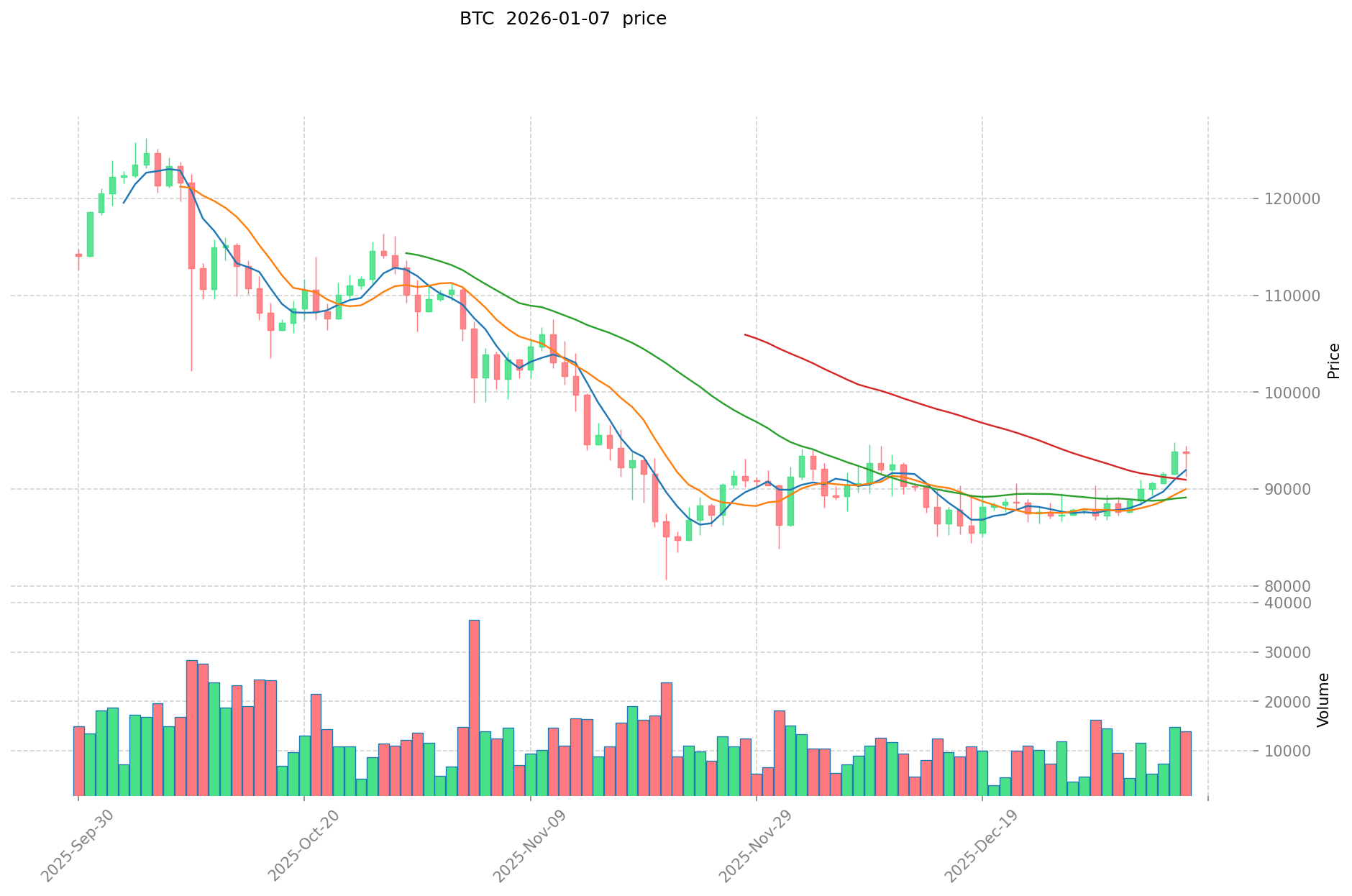 The distributed network of nodes will then verify whether that proof is valid or not. If valid, the miner earns the right to permanently add that block into the blockchain and is also rewarded with newly generated Bitcoins. This process requires significant computational power and energy consumption, which has led to concerns about environmental sustainability.
When it comes to Proof of Stake blockchains, the consensus algorithm works in a fundamentally different way. Instead of using hash functions and computational power, the PoS algorithm makes use of digital signatures that prove the ownership of coins. The validation of new blocks is done by the so-called block forgers or minters, which are chosen in a deterministic way based on their stake in the network. The more coins a forger has at stake, the higher the chances of being chosen as a block validator. Unlike PoW systems, however, the majority of PoS systems do not provide block rewards, and all a minter gets from validating a block are the transaction fees. This approach significantly reduces energy consumption compared to PoW systems.
Although the Proof of Burn algorithm presents similarities with both PoW and PoS, it has its own particular way of reaching consensus and validating blocks, offering a unique approach to blockchain security and decentralization.
The Concept of Proof of Burn
There is more than one version of PoB, but the concept of Proof of Burn idealized by Iain Stewart is probably the most acknowledged within the cryptocurrency space. It was proposed as a more sustainable alternative to the PoW consensus algorithm, addressing concerns about energy consumption while maintaining network security.
Essentially, Proof of Burn looks like a Proof of Work algorithm but with dramatically reduced rates of energy consumption. The block validation process of PoB-based networks does not require the use of powerful computational resources and does not depend on expensive mining hardware (like ASICs). Instead, cryptocurrencies are intentionally burned as a way to "invest" resources in the blockchain, so the candidate miners are not required to invest in physical resources or consume large amounts of electricity. In PoB systems, miners invest in virtual mining rigs (or virtual mining power), which are created through the permanent destruction of coins.
In other words, by performing coin burns, users are able to demonstrate their long-term commitment to the network, gaining the right to "mine" and validate transactions. Since the process of burning coins represents virtual mining power, the more coins a user burns in favor of the system, the more mining power he or she has and, thus, the higher the chances to be chosen as the next block validator. This creates an economic incentive structure that aligns validators' interests with the network's long-term health and security.
How Does Proof of Burn Work?
In a few words, the process of burning coins consists of sending these to a public verifiably address where they become permanently inaccessible and useless. Typically, these addresses (also known as eater addresses) are randomly generated without having any private key associated with them, ensuring that the coins sent there can never be recovered or spent. Naturally, the process of burning coins reduces market availability and creates an economic scarcity, causing a potential increase in the value of remaining coins. But more than that, coin burning is another way of investing in the security of the network through permanent resource commitment.
One of the reasons Proof of Work blockchains are secure is the fact that miners need to invest lots of resources in order to finally be profitable. This means that a PoW miner will have all the incentives to act honestly and help the network in order to prevent the initial investments from being wasted. The sunk cost of mining equipment and electricity creates a strong economic incentive for honest behavior.
The idea is similar for Proof of Burn algorithms. But instead of investing in electricity, labor work, and computational power, PoB blockchains are supposed to be secured by the investment made through coin burns and nothing else. The burned coins represent an irreversible commitment to the network, creating a similar economic incentive structure to PoW but without the ongoing energy costs.
Similar to PoW blockchains, PoB systems will provide block rewards to miners and within a certain period of time, the rewards are expected to cover the initial investment of the burned coins. This creates a sustainable economic model where validators can potentially profit from their participation while securing the network.
As previously stated, there are different ways of implementing the Proof of Burn consensus algorithm. While some projects perform their PoB mining through the burning of Bitcoin, others achieve consensus by burning their own native coin. Each approach has its own advantages and trade-offs in terms of security, decentralization, and economic sustainability.
Proof of Burn vs Proof of Stake
One thing that PoB and PoS have in common is the fact that the block validators have to invest their coins in order to participate in the consensus mechanism. However, the nature of this investment differs significantly between the two systems. PoS blockchains require forgers to stake their coins, usually locking them up in a smart contract or wallet. But if they decide to leave the network, they may take those coins back and sell them in the market. Therefore, there is no permanent market scarcity in such a scenario because coins are only taken out of circulation for a certain period of time. This temporary commitment may reduce the long-term alignment of validators with the network's success.
On the other hand, PoB block validators have to destroy their coins forever, creating a permanent economic scarcity that can never be reversed. This irreversible commitment theoretically creates stronger incentives for validators to act in the network's best interest, as they have made a permanent investment that can only be recouped through future block rewards. The permanent destruction of coins also has deflationary effects on the token economics, which can benefit all holders.
Advantages and Disadvantages of Proof of Burn
The advantages and disadvantages listed here are based on the general arguments of PoB supporters and critics, and should not be considered proven facts. There are ongoing controversies about these arguments which require further testing and real-world implementation in order to be confirmed as valid or invalid.
Advantages
-
More Sustainable: The PoB consensus mechanism is significantly more sustainable than PoW systems, as it features dramatically reduced power consumption. Validators do not need to run energy-intensive mining operations continuously.
-
No Need for Mining Hardware: Coin burns serve as virtual mining rigs, eliminating the need for expensive and specialized mining equipment like ASICs. This reduces the barrier to entry for validators and promotes greater decentralization.
-
Coin Burns Reduce Circulating Supply: The permanent destruction of coins creates market scarcity, which can have deflationary effects and potentially increase the value of remaining coins over time.
-
Encourages Long-Term Commitment: By requiring validators to permanently destroy coins, PoB encourages long-term commitment to the network rather than short-term speculation. Validators have a vested interest in the network's long-term success.
-
Less Centralized Distribution: Coin distribution and mining tends to be less centralized compared to PoW systems, where mining power often concentrates in the hands of those with access to cheap electricity and specialized hardware.
Disadvantages
-
Environmental Concerns: Some critics argue that PoB is not really eco-friendly because the Bitcoins being burned in some implementations are generated through PoW mining, which requires lots of resources. This indirect energy consumption may offset some of the environmental benefits.
-
Unproven at Scale: The PoB consensus mechanism is not proven to work on larger scales with millions of users. More testing and real-world implementation are needed to confirm its efficiency, security, and scalability.
-
Delayed Verification: The verification of the work done by miners tends to be delayed compared to other consensus mechanisms. It is not as fast as in Proof of Work blockchains, which may affect transaction throughput and finality.
-
Transparency Concerns: The process of burning coins is not always transparent or easily verifiable by the average user. This lack of transparency may reduce trust in the system and make it harder for users to validate that the consensus mechanism is working as intended.
FAQ
What is Proof of Burn (PoB) and what is its basic principle?
Proof of Burn is a consensus mechanism where users permanently destroy cryptocurrency by sending it to an irreversible address. The more coins burned, the greater the proof of commitment to the network. This reduces supply, enhances security, and validates transactions without energy-intensive mining.
What is the difference between Proof of Burn and Proof of Work and Proof of Stake?
Proof of Burn validates transactions by destroying cryptocurrency, while Proof of Work uses computational power and Proof of Stake relies on holding coins. Proof of Burn is energy-efficient but less commonly adopted than the other two mechanisms.
How is Proof of Burn mechanism implemented in blockchain?
Proof of Burn is implemented by requiring users to permanently destroy their cryptocurrency tokens to gain consensus rights and validate transactions. This eco-friendly mechanism eliminates the need for energy-intensive mining, making it a sustainable alternative for blockchain networks seeking environmental efficiency.
What are the advantages and disadvantages of using Proof of Burn?
Advantages: reduces token inflation by burning coins, stabilizes prices, and decreases supply. Disadvantages: high energy consumption, lower consensus efficiency compared to other methods, and reduced security relative to alternative consensus mechanisms.
Which cryptocurrency projects have adopted the Proof of Burn consensus mechanism?
Elastos (ELA) is a notable cryptocurrency project utilizing Proof of Burn consensus. This mechanism allows users to burn ELA tokens to gain mining rights. Currently, Elastos represents one of the few established projects implementing this consensus model in the cryptocurrency space.
How does Proof of Burn prevent malicious attacks and ensure network security?
Proof of Burn prevents attacks by requiring participants to permanently destroy cryptocurrency, making it economically irrational to attack the network. This commitment mechanism deters malicious actors and secures the blockchain through genuine stake sacrifice.
* The information is not intended to be and does not constitute financial advice or any other recommendation of any sort offered or endorsed by Gate.