This article explores Samson Mow's Omega Cycle theory, examining Bitcoin's potential transition from a volatile speculative asset to a mature store of value. The framework presents three distinct scenarios: an extended cycle with longer timeframes, a generational bull run with sustained appreciation, and a low-volatility adoption phase resembling traditional reserve assets like gold. Bitcoin's recent flat price action signals market maturation and increased institutional participation. The analysis emphasizes how reduced volatility could facilitate broader adoption while requiring investors to reassess traditional trading strategies. Understanding these market dynamics helps stakeholders prepare investment approaches aligned with Bitcoin's evolving role in the global financial system, whether through long-term holding, systematic accumulation, or portfolio diversification strategies on platforms like Gate.
Samson Mow, CEO of Bitcoin infrastructure company Jan3, has issued a significant warning regarding a potential paradigm shift in the Bitcoin market, which he refers to as the "Omega Cycle." This concept has garnered considerable attention within the cryptocurrency community, as it suggests a fundamental transformation in how Bitcoin behaves as an asset class.
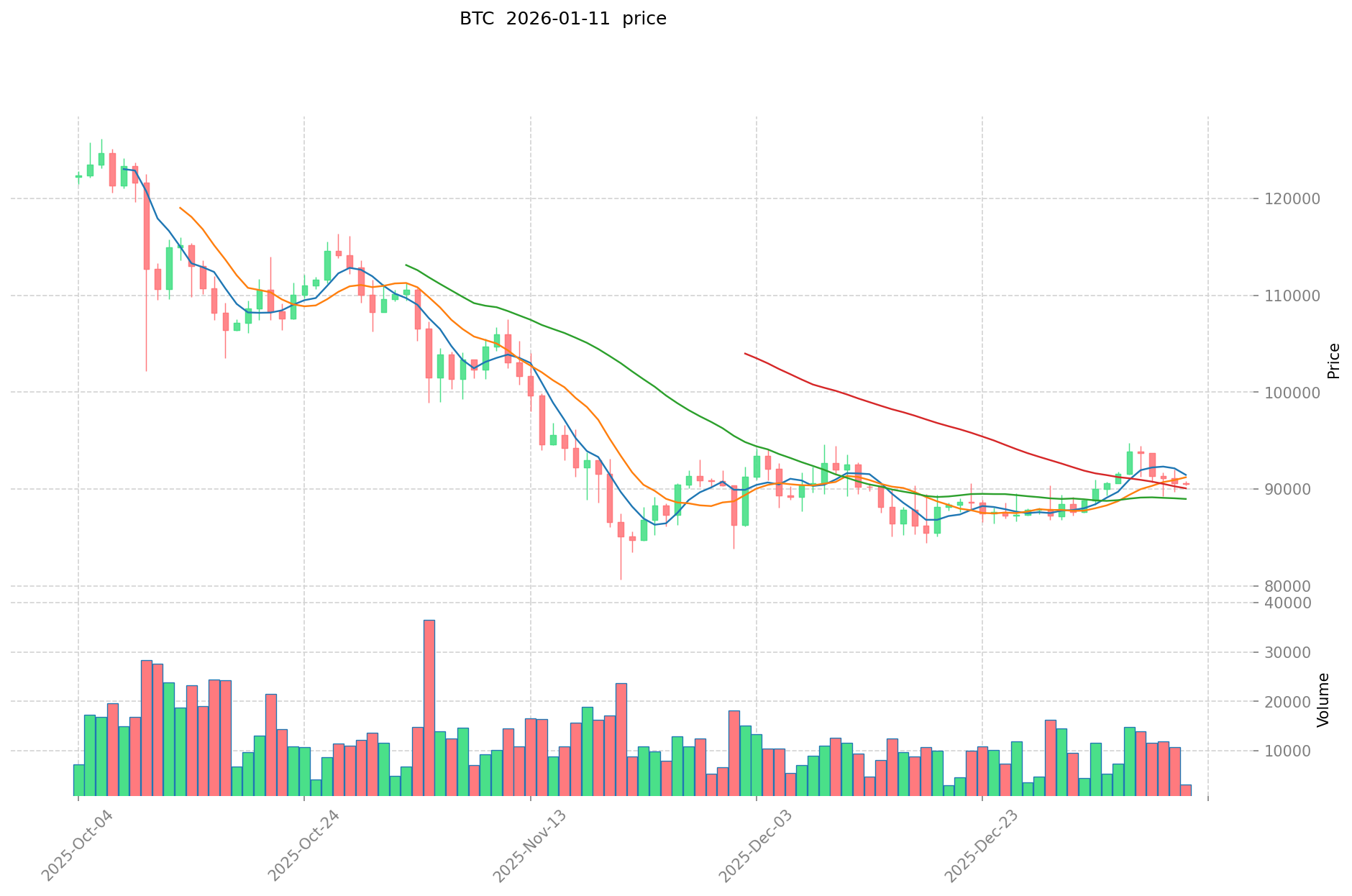 Mow's analysis is based on observed patterns in Bitcoin's price performance during recent periods, particularly noting the relatively flat price action that has characterized the market in contrast to previous bull run cycles.
The warning comes at a critical juncture for Bitcoin, as the cryptocurrency has matured significantly since its inception. Mow's perspective carries weight due to his extensive experience in the Bitcoin ecosystem and his role in developing Bitcoin infrastructure through Jan3. His observations suggest that the traditional four-year halving cycle pattern, which has historically dictated Bitcoin's price movements, may be evolving into something entirely different.
Understanding the Omega Cycle Concept
The "Omega Cycle" represents a theoretical framework that describes a potential new phase in Bitcoin's market evolution. Unlike previous market cycles characterized by dramatic boom-and-bust patterns, the Omega Cycle suggests a fundamental shift in Bitcoin's behavior as it transitions from a speculative asset to a more mature store of value. This concept challenges the conventional understanding of Bitcoin's cyclical nature and proposes that the cryptocurrency may be entering uncharted territory.
Mow has outlined three distinct scenarios that could unfold under this framework. The first scenario involves an extended cycle, where the traditional four-year pattern stretches over a longer timeframe, potentially due to increased institutional participation and regulatory clarity. The second scenario envisions a generational bull run, representing a sustained upward trajectory that could last for years rather than months. The third and perhaps most transformative scenario suggests a transition toward a long-term adoption phase characterized by significantly reduced volatility, where Bitcoin behaves more like traditional reserve assets such as gold.
The relatively flat performance of Bitcoin in recent periods serves as a key indicator supporting Mow's Omega Cycle hypothesis. This price stability, while potentially disappointing to traders expecting dramatic price movements, could actually signal Bitcoin's maturation as an asset class. The reduced volatility may indicate that Bitcoin is achieving a level of price discovery and market equilibrium that was previously unattainable during its more speculative phases.
This market behavior has several important implications for the broader cryptocurrency ecosystem. A more stable Bitcoin could attract institutional investors who have previously been deterred by extreme volatility. Additionally, reduced price swings could facilitate Bitcoin's adoption as a medium of exchange and store of value, fulfilling more of its original intended purposes as outlined in Satoshi Nakamoto's whitepaper. However, this stability also presents challenges for traders and investors who have profited from Bitcoin's historical volatility patterns.
Three Potential Scenarios for Bitcoin's Future
Mow's analysis presents three distinct pathways that Bitcoin's market evolution could follow. The extended cycle scenario suggests that while Bitcoin will continue to experience bull and bear markets, these cycles may occur over longer timeframes with less dramatic price swings. This could result from increased market liquidity, greater institutional participation, and more sophisticated market infrastructure that dampens extreme price movements.
The generational bull run scenario represents a more optimistic outlook, where Bitcoin enters a sustained period of appreciation driven by widespread adoption, favorable regulatory developments, and increasing recognition as a legitimate asset class. This scenario would see Bitcoin gradually appreciating over years, similar to how major technology stocks have performed during secular bull markets.
The long-term adoption phase scenario, which Mow considers particularly significant, envisions Bitcoin transitioning into a mature asset with low volatility characteristics. In this phase, Bitcoin would behave more like traditional reserve assets, with price movements driven primarily by macroeconomic factors rather than speculative trading. This would represent the ultimate realization of Bitcoin's potential as "digital gold," offering stability and predictability that could facilitate its integration into mainstream financial systems.
Investment Strategies and Preparation Recommendations
In light of these potential developments, Mow has advised investors to prepare their strategies accordingly. For those accustomed to trading Bitcoin's historical volatility patterns, the Omega Cycle concept necessitates a fundamental reassessment of investment approaches. Long-term holding strategies may become more appropriate than active trading, particularly if Bitcoin enters a low-volatility adoption phase.
Investors should consider diversifying their approach to Bitcoin investment, recognizing that different scenarios may require different strategies. In an extended cycle scenario, patience and longer time horizons become crucial. For a generational bull run, systematic accumulation strategies might prove most effective. In a low-volatility adoption phase, Bitcoin could serve as a portfolio stabilizer and store of value rather than a speculative growth asset.
Mow's warning also emphasizes the importance of understanding Bitcoin's evolving role in the global financial system. As the cryptocurrency matures, investors should focus on fundamental factors such as network adoption, institutional integration, and regulatory developments rather than solely relying on historical price patterns. Preparation for the Omega Cycle involves not just adjusting investment strategies, but also developing a deeper understanding of Bitcoin's long-term value proposition and its potential transformation from a speculative asset to a foundational element of the digital economy.
The cryptocurrency community continues to debate the validity and implications of the Omega Cycle theory, but Mow's analysis provides a valuable framework for considering Bitcoin's future evolution. Whether or not the Omega Cycle materializes as described, the concept highlights the importance of adapting investment strategies to Bitcoin's changing market dynamics and preparing for a future that may look significantly different from the cryptocurrency's volatile past.
FAQ
What is Bitcoin's 'Omega Cycle'? What specifically does Samson Mow's warning refer to?
The 'Omega Cycle' refers to a potential new phase in Bitcoin's market evolution. Samson Mow warned that Bitcoin's flat price action in 2025 could signal either a delayed peak in 2026, a decade-long rally, or the end of traditional market cycles entirely, suggesting BTC hasn't topped yet.
What distinguishes Omega Cycle from Bitcoin's previous market cycles? Have similar cycles occurred historically?
Omega Cycle emphasizes altcoin dynamics differently than Bitcoin's traditional cycles. Bitcoin cycles historically correlate with halving events and regulatory shifts, characterized by distinct bull and bear phases. Similar cyclical patterns have recurred, with median bear drawdowns around -77% and bull gains averaging 15x, though each cycle varies in duration and intensity.
If the Omega Cycle truly emerges, what impact would it have on Bitcoin price and investors?
An Omega Cycle could trigger significant Bitcoin price volatility due to heightened systemic risk. Investors would demand higher risk premiums, pushing prices away from fundamental values. Market sentiment and perceived severity would determine the magnitude of price movements and investor portfolio adjustments.
What strategies should Bitcoin investors adopt to mitigate risks under Omega Cycle warnings?
Focus on long-term goals and stick to your investment plan. Avoid FOMO-driven decisions, stay informed about market trends, and maintain emotional discipline. Diversify your portfolio and never invest more than you can afford to lose during volatile periods.
Why does Samson Mow believe Bitcoin market is entering Omega Cycle? What is the main basis?
Samson Mow predicts Bitcoin will transition from daily $10,000 price movements to $100,000 daily surges based on historical patterns and market maturation cycles, signaling Bitcoin's shift from volatile growth asset to stable value store.
Omega Cycle预警对比特币长期价值投资的影响是什么?
Omega Cycle警告表明比特币长期投资需保持谨慎。市场波动和经济变化可能影响比特币稳定性。建议采用多元化策略应对潜在风险,关注宏观经济趋势。
* The information is not intended to be and does not constitute financial advice or any other recommendation of any sort offered or endorsed by Gate.