Learn about top crypto memes such as HODL, To the Moon, and Dogecoin that shape the crypto community. See how memes drive market trends, influence trading decisions on Gate, and define the overall sentiment of crypto investors in 2024.
The Significance of Memes in the Cryptocurrency Industry
In the cryptocurrency industry, memes serve functions well beyond simple entertainment. They act as influential tools that shape public perception, generate attention for specific projects, and can even spark substantial market movements. For investors and traders, decoding these cultural signals yields valuable insights for predicting trends. For users, memes help identify optimal times to enter or exit investments. Over time, meme influence has grown, establishing itself as a recognized factor in market dynamics—on par with established technical analysis and fundamental indicators.
Examples of Popular Cryptocurrency Memes
HODL
"HODL" originated from a typo of "hold" in a 2013 post on the Bitcoin Talk forum. It quickly evolved into a symbol for long-term commitment in crypto investing, representing the resolve to retain assets regardless of market volatility and price swings. Today, "HODL" is deeply rooted in crypto culture, widely used across social media and industry publications as a rallying call for perseverance during market turbulence. The term embodies the belief that disciplined, patient holders are more likely to realize gains than those who panic and sell during downturns.
To the Moon
"To the Moon" is a phrase that conveys expectation of dramatic increases in crypto value. Frequently paired with rocket and lunar imagery, this meme highlights rapid price appreciation and the aspirational nature of crypto investing. It remains especially popular among traders during bull markets, when assets experience strong upward momentum. The meme has moved beyond its humorous roots to become a genuine symbol of optimism and collective enthusiasm in the crypto community.
Dogecoin and Shiba Inu
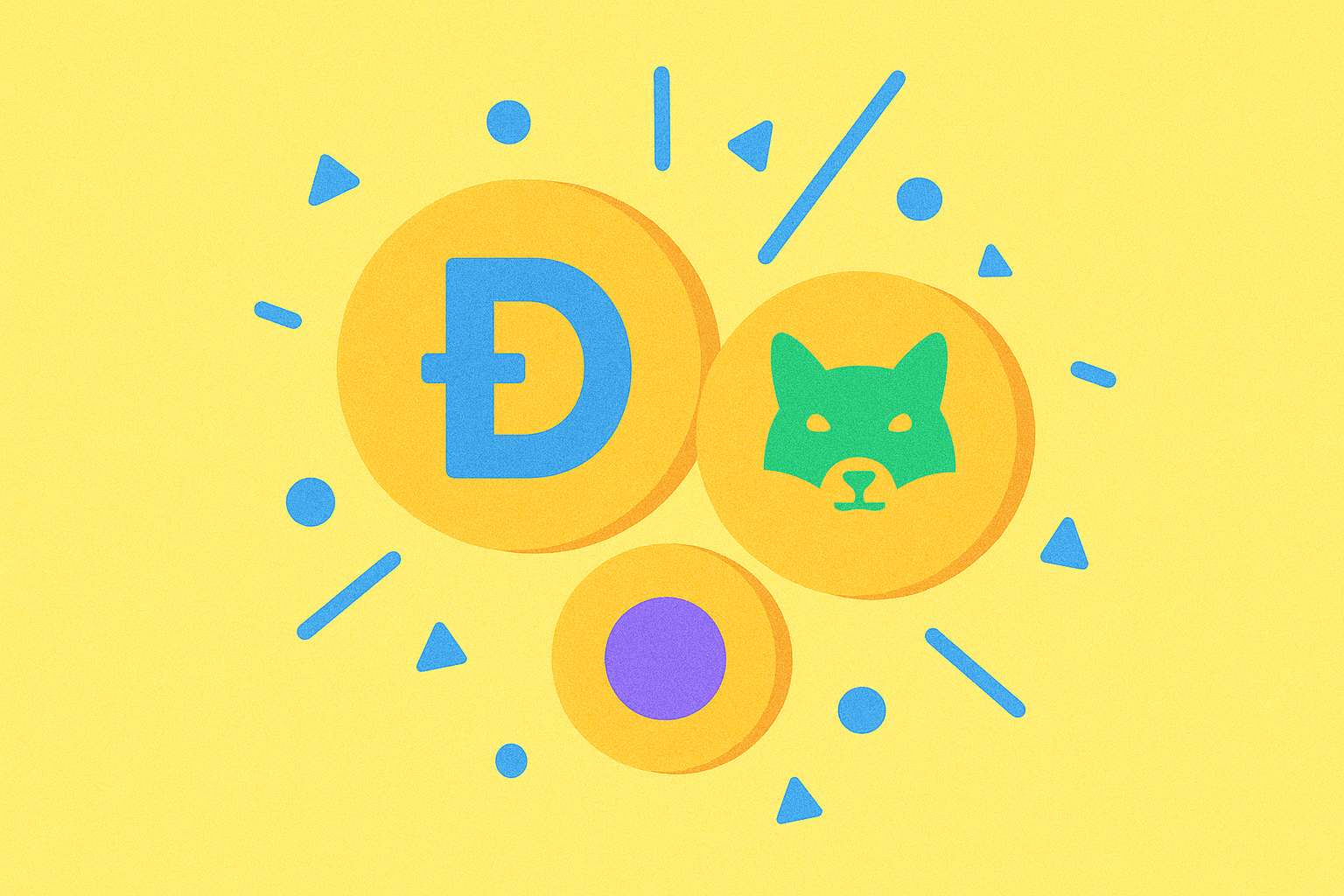
Dogecoin began as a parody of Bitcoin but emerged as a prime example of the power of memes in the crypto market. The cheerful Shiba Inu dog became an iconic symbol for Dogecoin, as well as for many other dog-themed cryptocurrencies. This imagery is now synonymous with the playful side of crypto culture and demonstrates the impact of community-led investment movements. Dogecoin continues to capture investor interest, largely through meme-driven marketing and a highly engaged community that actively supports and promotes the brand.
Statistical Evidence and Market Data
Studies in recent years have revealed compelling statistics about meme-driven market activity. More than 60% of crypto market participants report that memes significantly influence their investment choices. During periods of intense meme activity, trading volumes on major exchanges can spike by as much as 20%. These findings underscore the real economic impact of cultural trends in cryptocurrency, proving that memes are genuine market drivers, not just entertainment.
Key Conclusions and Market Implications
Memes have become integral to cryptocurrency culture, shaping market behavior and investor sentiment. They provide vital signals to investors and traders, highlighting community mood and emerging trends. In many cases, memes reflect collective market expectations, making them essential elements of any effective trading strategy. As meme culture continues to evolve within crypto communities, it’s clear that cultural phenomena are as influential as technical and fundamental metrics in determining market movement. With industry maturation, the relationship between meme culture and market behavior will become an increasingly important area of focus for both casual and professional market participants.
FAQ
What are crypto memes—and which are the most popular?
Crypto memes are cryptocurrencies inspired by internet culture and trending topics—such as Dogecoin and Shiba Inu. These coins gain momentum through social media and community engagement, driving substantial market impact via high trading volumes.
How did Dogecoin (DOGE) use internet memes to become a mainstream cryptocurrency?
Dogecoin achieved mainstream status through the widespread popularity of Shiba Inu memes and viral internet culture. Endorsements from Elon Musk on Twitter brought increased visibility, while meme-driven social media engagement fueled rapid price growth. Its affordability and humorous appeal attracted retail investors, eventually propelling its market cap past $100 billion and cementing its position as the leading meme coin.
How do crypto memes impact market prices and trading volumes in practice?
Crypto memes create short-term spikes in price and trading volume by attracting capital through viral community enthusiasm. However, their longer-term impact is limited; sustained growth depends on solid fundamentals and real-world applications.
How do Musk’s social media comments affect meme coin price volatility?
Elon Musk’s social media posts have a pronounced impact on meme coin prices. Positive tweets often lead to sharp, short-term rallies and can even double the price. His comments act as powerful catalysts, driving both price swings and trading activity.
What other cryptocurrencies rose to fame because of memes, besides Dogecoin?
Shiba Inu, Brett, and Cutoshi are examples of tokens propelled by meme culture. These projects thrive on strong community support and innovative mechanisms, with rising trading volumes making them major forces in the meme coin ecosystem.
Are meme coins riskier investments than mainstream cryptocurrencies?
Yes—meme coins pose higher risks. They are subject to extreme price volatility, lack intrinsic value, and are easily swayed by social media sentiment, with frequent exposure to pump-and-dump schemes. High risk can also mean high reward; some meme coins have delivered multiple returns in a short span, making them attractive to investors with higher risk tolerance.
Users on Reddit and Twitter rapidly disseminate crypto memes through sharing, reposting, and interaction. The viral nature of these platforms allows memes to gain exposure quickly. Active participation from crypto communities on these networks accelerates meme popularity and evolution.
Is meme culture in the crypto market a lasting force or just short-term hype?
For the most part, meme culture is a short-term phenomenon. Most meme coins lack real utility and long-term vision, resulting in volatile market caps and eventual decline. While some have built strong communities, sustained influence is difficult to achieve, and market fundamentals remain the primary driver.
* The information is not intended to be and does not constitute financial advice or any other recommendation of any sort offered or endorsed by Gate.