Explore the benefits of adopting the DTI code for Pi Coin, including greater liquidity, seamless integration with Gate and banking systems, energy-efficient mobile mining, managed issuance, and opportunities for widespread adoption. This comprehensive analysis examines the evolution of the Pi Network ecosystem and the cryptocurrency’s market potential.
DTI Code and Its Significance for Pi Network
Pi Network’s Pi Coin has been assigned a Digital Token Identifier (DTI), marking a significant milestone in the project’s evolution. The DTI is a unique code that enables the cryptocurrency to integrate with major global exchanges and banking systems.
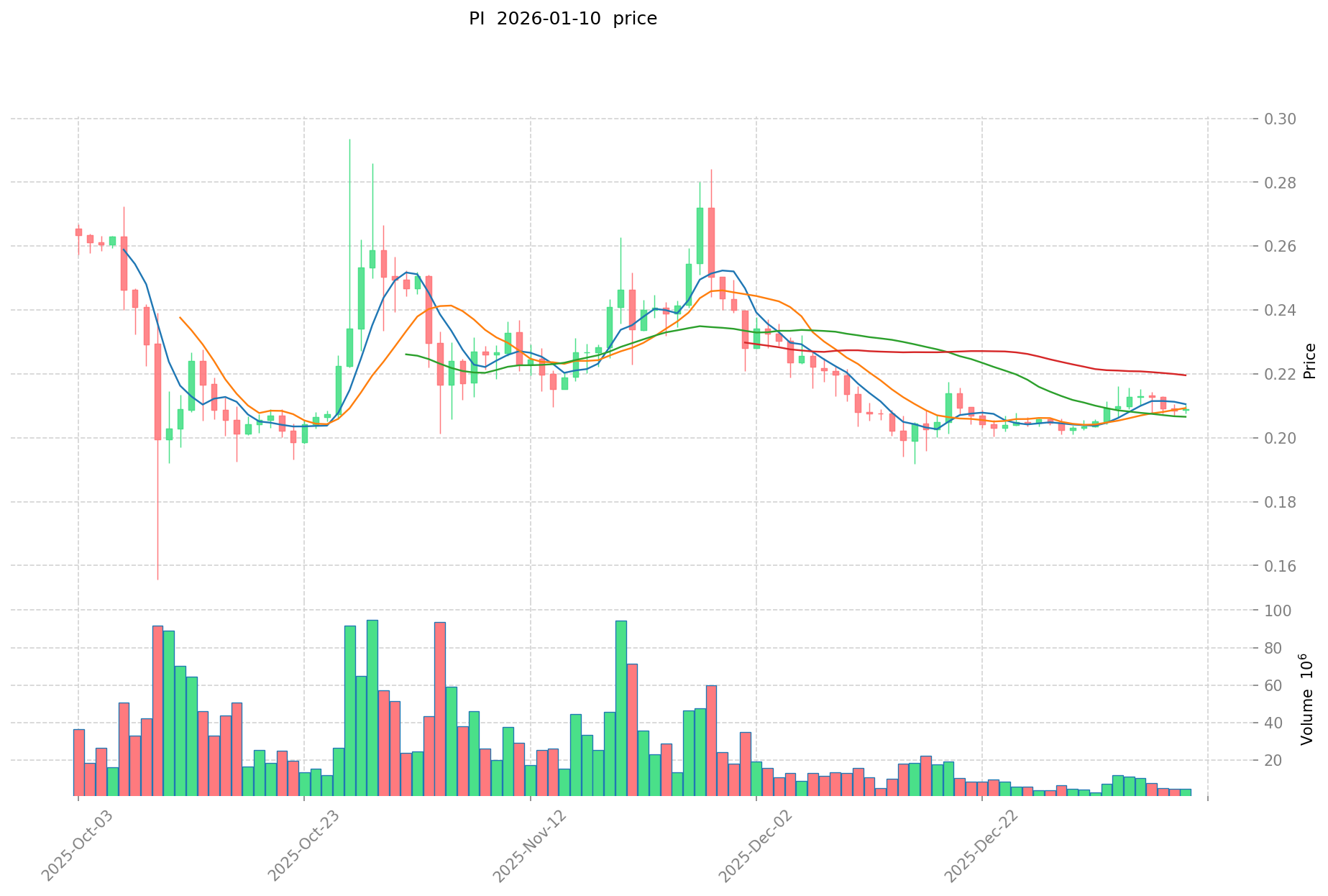 This development streamlines the listing of Pi on leading trading platforms and makes it easier for financial institutions to process transactions.
Securing a DTI code unlocks new opportunities to boost Pi Coin’s liquidity and accessibility. Financial institutions can now integrate Pi into their systems more efficiently, paving the way for widespread adoption. This also strengthens regulatory trust, as the DTI promotes transparency and allows transactions to be tracked in accordance with international standards.
Mainnet Launch and Ecosystem Growth
The issuance of the DTI code is part of Pi Network’s comprehensive mainnet launch, set to take place in the near future. This transition moves Pi from an experimental mobile mining project to a fully fledged blockchain ecosystem with real-world utility. Currently, Pi Network boasts over 21 million verified users globally, ranking it among the largest cryptocurrency communities.
The open mainnet phase is already attracting developers and merchants who are building a range of Pi-based services. The ecosystem supports microtransactions and community-driven applications, enabling users to spend Pi Coin in everyday scenarios. Developers are launching apps for e-commerce, social platforms, educational services, and more, broadening the cryptocurrency’s real-world applications.
Technical Features and Energy Efficiency
One of Pi Network’s standout features is its mobile-first design, allowing users to mine using smartphones without energy-intensive hardware. Unlike traditional cryptocurrencies like Bitcoin, which require powerful computing resources, Pi leverages a consensus mechanism similar to the Stellar Consensus Protocol (SCP).
This model makes Pi Network highly energy-efficient and aligned with modern environmental responsibility standards. Users can help secure the network and earn rewards without significant electricity costs or specialized devices. The SCP mechanism ensures rapid transaction confirmations and high network scalability, both critical for mainstream adoption.
Tokenomics and Controlled Issuance
With a maximum supply of 100 billion tokens, Pi Network follows a controlled issuance policy to maintain stability and predictability in its economic model. This tokenomics approach helps prevent excessive inflation and preserves the long-term value of Pi Coin. Transparent token issuance and distribution have earned the trust of investors and the community alike.
Controlled issuance means mining rates decrease gradually as the network expands, rewarding early adopters and generating asset scarcity. This model is similar to Bitcoin’s halving mechanism but is tailored for mobile mining and mass adoption.
Outlook and Institutional Interest
Obtaining a DTI code and launching the mainnet are likely to attract institutional interest in Pi Network. Major financial institutions and top trading platforms can now view Pi as a legitimate cryptocurrency for their portfolios and services. The DTI also enhances regulatory clarity by simplifying compliance with authorities in various jurisdictions.
Pi Network’s outlook includes expanded merchant partnerships, integration with payment systems, and the development of decentralized finance (DeFi) applications. Its large user base and energy-efficient technology position Pi as a strong contender for everyday transactions and micropayments. As the ecosystem grows and liquidity increases on top exchanges, Pi Coin’s value and utility are poised to rise in the years ahead.
FAQ
What is Pi cryptocurrency and what makes it unique?
Pi Network is a decentralized cryptocurrency accessible through a mobile app. Users can mine Pi directly on their phones with minimal energy use. Pi is not listed on exchanges and does not have a set price. Instead of Proof of Work, the network relies on social consensus for security.
How does the DTI code enhance Pi’s compliance and legitimacy?
The DTI code aligns Pi Coin with international financial standards, simplifies regulatory processes, and increases the likelihood of broader support from exchanges and financial institutions—bolstering its legitimacy in the market.
With Pi’s DTI code, what is the outlook for exchange listings?
Following the DTI code assignment, Pi Network aims to expand onto top trading platforms. Listings on major exchanges are anticipated, which will greatly improve token accessibility and liquidity for the global community.
How does Pi differ from Bitcoin, Ethereum, and other major cryptocurrencies?
Pi uses an FBA model and enables mobile mining with low energy consumption, while Bitcoin and Ethereum use PoW/PoS. Pi remains centralized at present, whereas Bitcoin and Ethereum are fully decentralized with established market value and liquidity.
How can an individual obtain and use Pi?
Download the Pi Network app, complete KYC verification, and start mining from your smartphone. Transfer Pi to a verified platform for trading. Always use official channels to prevent fraud.
How are Pi Network’s security and risks evaluated?
Pi Network faces significant legal risks, particularly in China, and has centralization concerns. Mandatory KYC increases data leak risks. Smart contract vulnerabilities also pose security threats to the project.
* The information is not intended to be and does not constitute financial advice or any other recommendation of any sort offered or endorsed by Gate.