The U.S. Vice President has acknowledged Bitcoin as a national strategic asset. Explore the latest trends in U.S. crypto regulation, the rapid acceleration of Bitcoin adoption, and their effects on the digital asset market. This is must-read content for investors and blockchain enthusiasts tracking the U.S. policy shift in the Web3 era.
Background of the Historic Policy Shift
The Vice President of the United States has formally recognized Bitcoin as a strategically significant national asset. This announcement marks a pivotal shift in how the U.S. government approaches digital currency. In recent years, Bitcoin has evolved from a speculative vehicle into an indispensable force within the global economy.
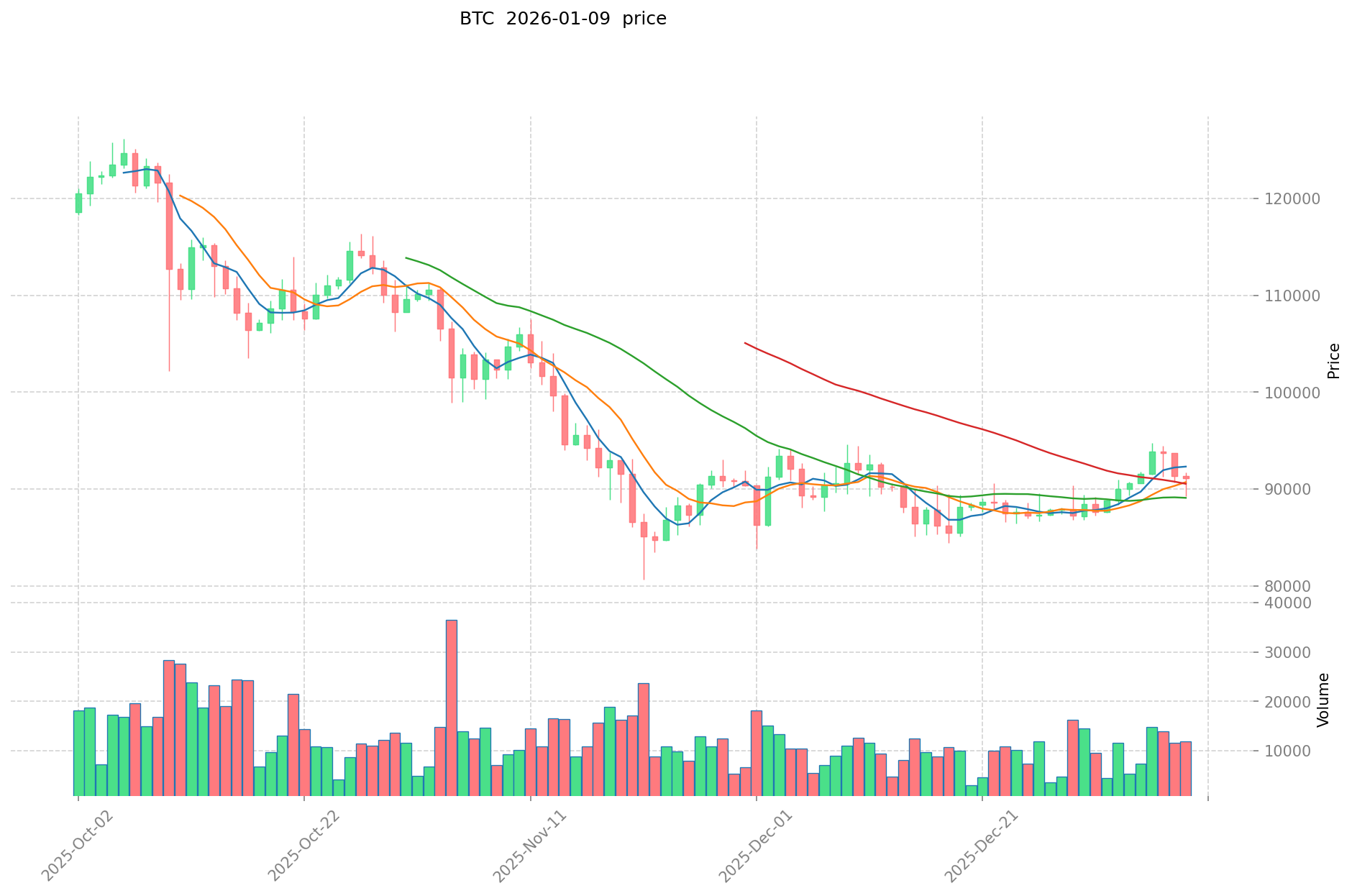 The Vice President’s official statement signals a dramatic change in federal-level perception of cryptocurrency, ushering in an era where digital assets become integral to national strategy.
This policy shift is driven by Bitcoin’s expanding market size and the rapid increase in institutional adoption. As leading financial institutions incorporate Bitcoin into their portfolios, the government now acknowledges its substantial economic impact cannot be dismissed.
Strategic Importance of Bitcoin
Bitcoin’s recognition as a strategic asset is rooted in several factors. First, as a decentralized digital currency, Bitcoin offers a store of value independent of traditional financial systems. This independence is crucial for national security, supporting diversification and risk hedging within the financial infrastructure.
Second, Bitcoin’s blockchain technology ensures transparency and tamper-proof integrity, making it a promising foundation for future financial systems. Maintaining U.S. leadership in this sector requires proactive engagement with digital assets, including Bitcoin.
Moreover, as nations worldwide advance digital currency development and regulation, designating Bitcoin as a strategic asset positions the United States to lead the international cryptocurrency market. This strategic stance reaffirms that Bitcoin is not merely a private investment but a key element of national economic policy.
Impact on Regulatory Environment and Outlook
The Vice President’s statement reflects growing global acceptance of Bitcoin’s role in finance and hints at a more favorable regulatory climate for cryptocurrency in the U.S. Historically, the crypto sector has struggled with regulatory ambiguity, but clear government directives may drive sustainable industry growth.
By officially recognizing Bitcoin as a strategic asset, the government is expected to clarify tax treatment and accelerate the development of regulatory frameworks for institutional investors. This will lower barriers for traditional financial institutions to enter the Bitcoin market, supporting its maturity and stability.
Concurrently, this policy shift signals a broader transformation in the government’s stance towards digital currencies. The U.S. may adopt more constructive policies not only for Bitcoin, but also for other major cryptocurrencies and blockchain technology.
International Impact and Future Challenges
The U.S. government’s recognition of Bitcoin as a strategic asset is expected to create far-reaching global effects. As the largest economy worldwide, the U.S. policy shift could influence other nations and promote the formation of a unified global regulatory framework for cryptocurrency.
However, this approach presents notable challenges. Issues such as Bitcoin’s price volatility, energy consumption, and risks of illicit activity like money laundering remain unresolved. As Bitcoin becomes a strategic asset, balancing risk management with appropriate regulation will be a critical task for future policy.
Integrating Bitcoin into national strategy marks a major step toward building a new financial order in the digital age. This initiative is expected to foster a more robust and inclusive digital asset ecosystem.
FAQ
Why does the U.S. Vice President recognize Bitcoin as a strategic asset?
The U.S. Vice President recognizes Bitcoin as a strategic asset because it represents fundamental American values—innovation, entrepreneurship, freedom, and censorship resistance. As a non-government-controlled asset, Bitcoin is vital for sustaining U.S. competitive strength.
How does the Vice President's statement impact Bitcoin’s price?
By recognizing Bitcoin as a strategic asset, the Vice President may bolster market sentiment and optimism about regulation. This could drive greater speculative demand and put upward pressure on Bitcoin’s price.
What does it mean for the U.S. government to recognize Bitcoin as a strategic asset?
When the U.S. government designates Bitcoin as a strategic asset, it formally acknowledges its place as an asset class, builds market trust, and encourages institutional investors to participate. This marks a critical turning point for the crypto market and could serve as a catalyst for price appreciation.
Does this mean the U.S. government will increase its Bitcoin reserves?
Under its new strategy, the U.S. government holds the authority to expand its Bitcoin reserves. The current policy aims to maximize the value of these holdings, but specific details on increases have not been announced.
How did the U.S. government’s approach to crypto assets shift from regulation to approval?
The U.S. transitioned from regulation to approval by establishing a digital asset strategy framework, creating national strategic Bitcoin reserves, and launching regulatory sandboxes. This hybrid approach—combining private-sector innovation with government-held strategic assets—aims to ensure the U.S. dollar’s global leadership in the Web3 era.
* The information is not intended to be and does not constitute financial advice or any other recommendation of any sort offered or endorsed by Gate.