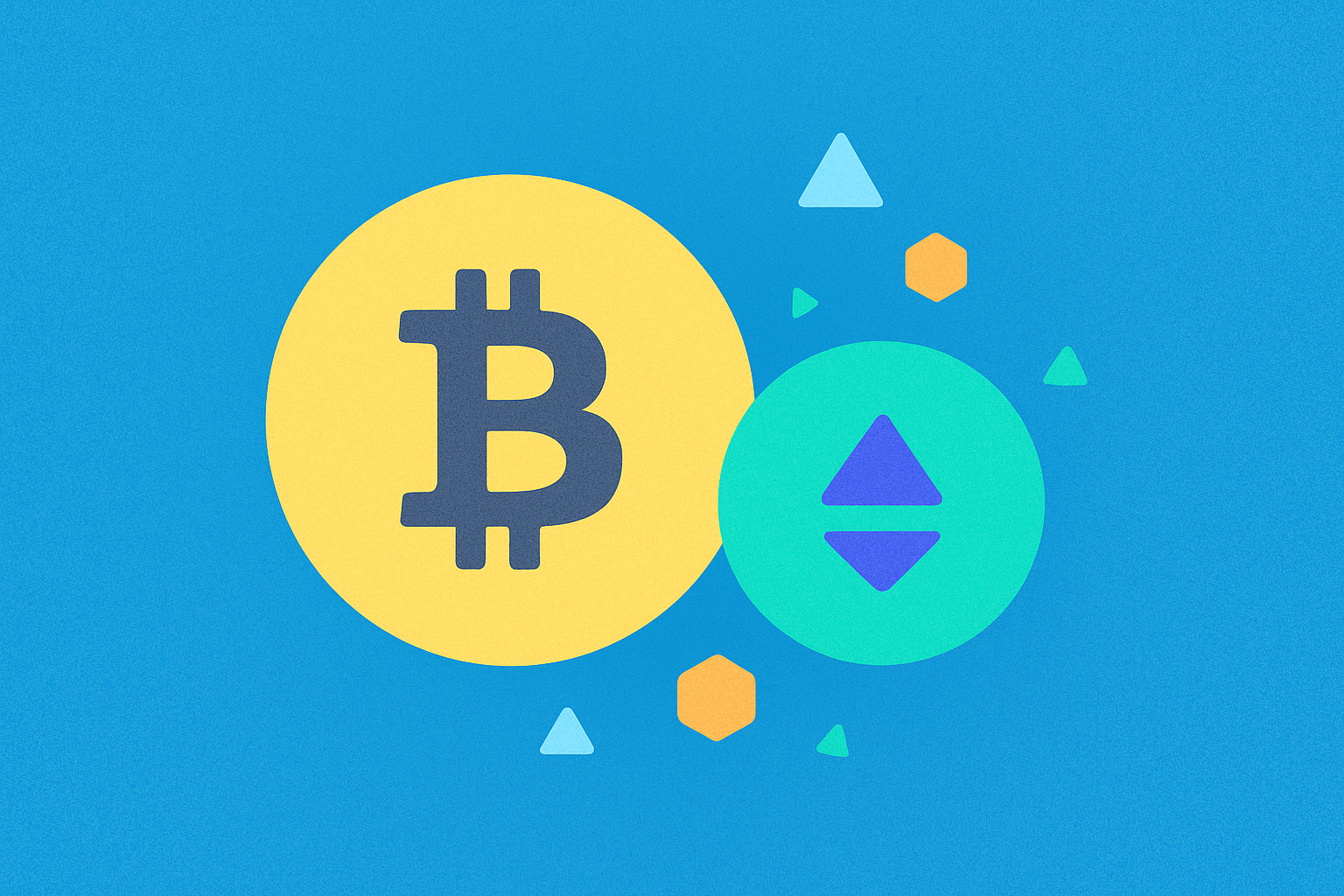
This article delves into the world of altcoins, highlighting how they diverge from Bitcoin by defining their nomenclature, exploring their historical development, consensus mechanisms, and terminology sentiment. It addresses common queries about altcoins, such as their definition, diversity, and potential investment value, serving anyone interested in understanding the intricate digital asset landscape. Structured in sections, it systematically explains altcoins' roles, innovations, and contrasts with Bitcoin. Keywords include altcoin, Bitcoin, cryptocurrency, and consensus mechanisms, enhancing readability and facilitating easy scanning.
Altcoin
Definition and Nomenclature
Altcoin is a term used to describe alternative digital assets, including coins and tokens that are not Bitcoin. The nomenclature originates from the fundamental understanding that Bitcoin, created in 2009, represents the original cryptocurrency, with all subsequent digital assets being considered "alternate" or "alternative" coins in comparison. This term has become widely adopted within the cryptocurrency community to distinguish non-Bitcoin cryptocurrencies from the original and foundational blockchain asset.
The definition of altcoin extends beyond traditional coins to encompass digital assets that are technically classified as tokens. A prominent example of this broader categorization includes ERC-20 tokens, which are built upon and operate within the Ethereum blockchain ecosystem. These tokens, while functionally different from standalone cryptocurrencies, are commonly referred to as altcoins due to their alternative nature relative to Bitcoin. Understanding what are the altcoins is essential for anyone seeking to comprehend the modern cryptocurrency landscape and investment opportunities beyond Bitcoin.
Historical Development and Diversity
Since Bitcoin's creation, the cryptocurrency landscape has expanded dramatically, with thousands of alternative cryptocurrencies having been deployed across various blockchain networks. This significant growth reflects both technological innovation and market experimentation within the digital asset space. Many of these altcoins were developed as modified versions of Bitcoin through a technical process known as a Hard Fork, which creates a new blockchain branch with altered rules or parameters.
Despite their shared origins and similarities to Bitcoin, each altcoin possesses distinct functionalities tailored to specific use cases or technological objectives. This diversity demonstrates the cryptocurrency ecosystem's evolution beyond Bitcoin's original design, with projects addressing various challenges such as scalability, energy efficiency, privacy, and specialized applications. The proliferation of altcoins reflects developers' efforts to improve upon Bitcoin's foundational technology or create entirely new value propositions within decentralized networks.
Consensus Mechanisms
Altcoins forked from Bitcoin typically maintain similar mining processes that depend on the Proof of Work (PoW) consensus algorithm, which Bitcoin also employs. However, the broader altcoin ecosystem has become a testing ground for alternative consensus mechanisms designed to achieve agreement within distributed blockchain networks more efficiently or sustainably.
Proof of Stake (PoS) represents the most widely adopted alternative to Proof of Work, offering reduced energy consumption and different security models. Beyond PoS, the cryptocurrency space has explored numerous other consensus approaches, including Delegated Proof of Stake (DPoS), which introduces representative voting systems; Proof of Burn (PoB), which requires cryptocurrency destruction as participation cost; Proof of Authority (PoA), which relies on designated trusted validators; and Delayed Proof of Work (DPoW), which combines multiple verification layers. Each consensus mechanism presents distinct advantages and trade-offs regarding security, scalability, decentralization, and energy efficiency, reflecting the diversity of approaches within the altcoin ecosystem.
Terminology and Sentiment
While some members of the cryptocurrency community view the term "altcoin" as potentially derogatory or diminishing, the broader consensus maintains that the term operates as neutral terminology within standard usage. The nomenclature itself is not intended to express positive or negative sentiment regarding the specific asset being referenced, serving instead as a descriptive classification tool.
This neutrality contrasts sharply with other terminology used within the cryptocurrency space. Explicitly derogatory language carries distinctly negative connotations and is universally recognized as pejorative, explicitly conveying disapproval or lack of confidence in an asset. Understanding this distinction between neutral descriptive terminology and intentionally derogatory language is important for accurate communication within cryptocurrency discussions and analysis.
Conclusion
Altcoins represent a diverse and evolving category of digital assets that exist beyond Bitcoin's original framework. Encompassing thousands of projects with varied functionalities, consensus mechanisms, and objectives, altcoins have become fundamental to cryptocurrency ecosystem development and innovation. From tokens on major blockchain platforms to independent blockchains with novel consensus approaches, altcoins demonstrate the breadth of possibilities within decentralized technology. The term itself, used neutrally within the community, reflects the continued importance of Bitcoin as a reference point while acknowledging the significant technological and financial contributions of alternative cryptocurrencies to the broader digital asset landscape.
FAQ
Wat zijn de altcoins?
Altcoins zijn alle cryptocurrencies behalve Bitcoin. De term betekent alternatieve munten en omvat digitale valuta's zoals Ethereum, Ripple en Litecoin die na Bitcoin zijn gelanceerd.
What is the difference between Bitcoin and altcoins?
Bitcoin is the first and most established cryptocurrency with the highest market dominance and acceptance. Altcoins are alternative cryptocurrencies created after Bitcoin, typically with different features, technologies, or use cases. Bitcoin remains the most stable and widely recognized, while altcoins offer diverse innovation and investment opportunities in the crypto market.
Hoeveel altcoins bestaan er?
As of December 2025, there are over 16,500 altcoins in existence. This vast number represents all cryptocurrencies besides Bitcoin. The exact count continuously changes as new projects launch and others cease operations.
Is it better to buy Bitcoin or altcoins?
Bitcoin offers stability as the market leader, while altcoins provide higher growth potential. A balanced portfolio combining both maximizes opportunities. Bitcoin dominates with larger transaction volume, but strategic altcoin selection can deliver superior returns for risk-tolerant investors.
Welke altcoin heeft de meeste potentie?
Ethereum heeft de meeste potentie als altcoin. Het is de grootste en meest gevestigde, met een sterke focus op smart contracts en een leidende positie in de cryptowereld.
Kan je nog rijk worden met crypto?
Ja, het is mogelijk om rijk te worden met crypto. Sommige beleggers hebben aanzienlijke winsten behaald door slimme investeringen en timing. Succes vereist echter kennis, geduld en een goed plan.
* The information is not intended to be and does not constitute financial advice or any other recommendation of any sort offered or endorsed by Gate.