Explore Vitalik Buterin's crypto portfolio: 98% of his assets are held in Ethereum, totaling $69.61 million USD. This analysis examines his investment strategy, the effects of market volatility, and the long-term prospects. Learn how Buterin's approach provides valuable lessons for individual investors navigating the cryptocurrency market.
Vitalik Buterin’s Crypto Portfolio Breakdown
Vitalik Buterin, a principal co-founder of the blockchain platform Ethereum, displays extraordinary commitment to his own project by holding 98% of his investment portfolio in ETH, Ethereum’s native cryptocurrency. Blockchain analytics estimate the total value of Buterin’s assets at about $70.69 million USD.
The majority of Buterin’s net worth—approximately $69.61 million—is composed of Ethereum tokens, distributed across ten publicly known wallet addresses. This method of diversifying wallet storage while concentrating on a single asset is a typical strategy among major crypto holders, designed to reduce security risks while maintaining a focused investment position.
This portfolio structure highlights Buterin’s strong conviction in the intrinsic value and long-term outlook of the Ethereum ecosystem. Unlike investors who favor diversifying across multiple crypto assets, Buterin pursues a strategy of maximum concentration within his own project.
Market Volatility’s Impact on Asset Value
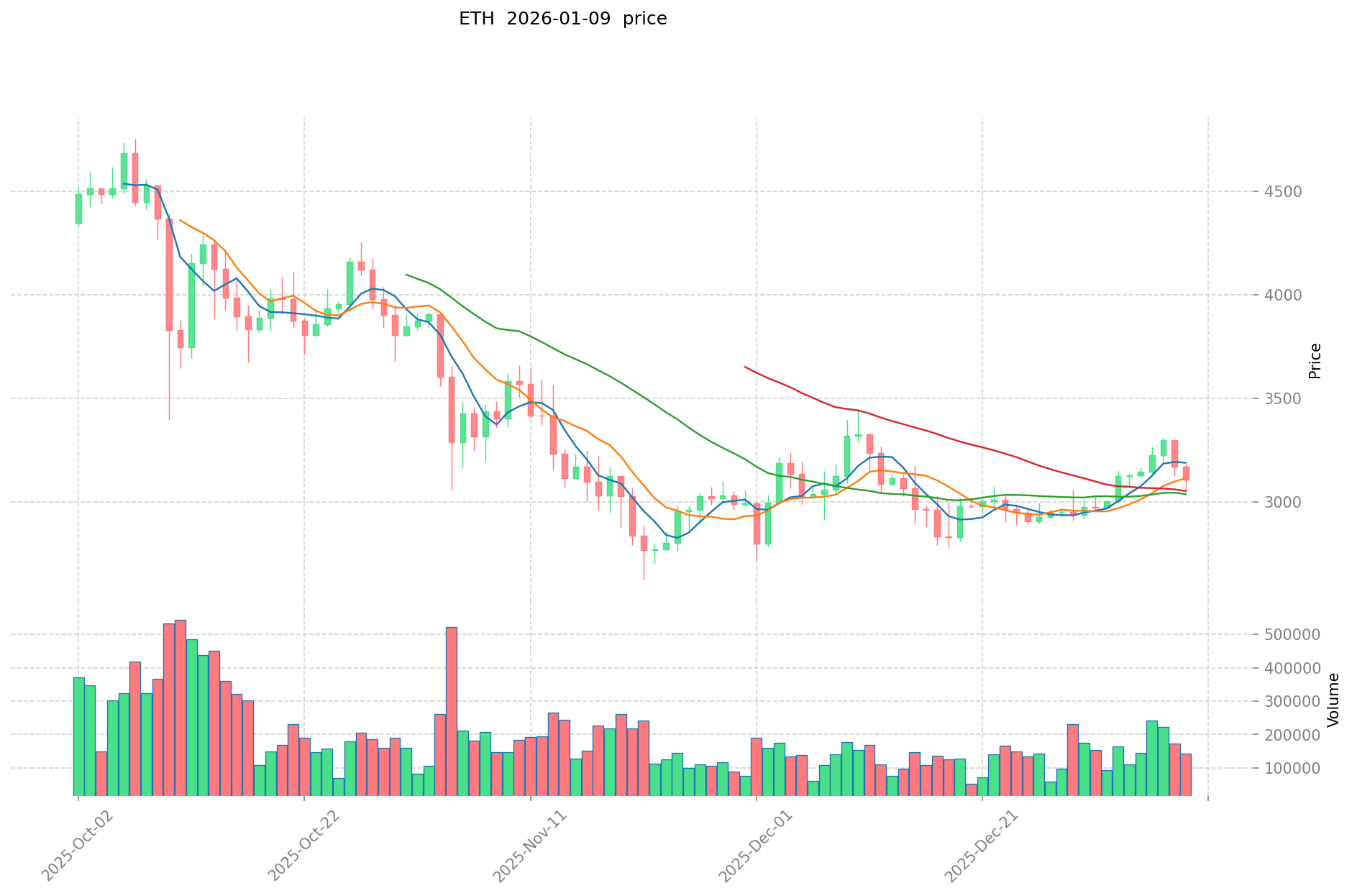
During periods of volatility in the cryptocurrency market, Vitalik Buterin’s portfolio has experienced notable revaluation. Data shows that declines in market capitalization have reduced the estimated value of his assets by $71.7 million. This significant shift mirrors broader trends in the crypto market during high volatility.
Such price swings are characteristic of the digital asset market and affect both institutional and individual investors. For large holders like Buterin, concentrating assets in a single cryptocurrency means personal wealth is directly tied to ETH’s price movements. Market corrections can temporarily decrease portfolio value by tens of millions of dollars.
It’s important to note that these losses are predominantly notional for long-term investors who do not liquidate positions during volatility. Crypto market history shows prices move in cycles, with alternating periods of growth and correction.
Additional Tokens and Their Characteristics
Beyond his primary Ethereum holdings, Buterin’s wallets include a variety of tokens obtained via airdrops—free distributions to holders of select cryptocurrencies. Among these are memecoins such as WHITE and MOODENG, which have limited market liquidity.
These tokens are not part of Buterin’s strategic investment portfolio. Memecoins received through airdrops tend to be highly volatile, thinly traded, and have limited utility. Their presence is mainly a side effect of holding large amounts of ETH, not the result of an intentional investment strategy.
Most of these tokens are illiquid and add little financial value to the overall portfolio. Their aggregate worth is negligible compared to Buterin’s core holdings in Ethereum, reinforcing his focus on supporting the main ecosystem.
Long-Term Investment Strategy and Outlook
Despite substantial short-term portfolio losses during market corrections, Vitalik Buterin remains steadfast in his commitment to Ethereum. His investment stance reflects strong confidence in blockchain’s foundational value and the ecosystem’s long-term potential.
Buterin’s strategy is grounded in the platform’s technological strengths—including smart contracts, decentralized applications, and continuous protocol improvements. Maintaining nearly all his wealth in Ethereum’s native cryptocurrency sends a powerful signal to investors and developers, demonstrating his personal stake in the platform’s success.
Buterin’s approach stands in contrast to some crypto founders who diversify their portfolios or sell significant token holdings during market rallies. His long-term perspective and willingness to weather volatility without altering his core strategy highlight his strategic vision for Ethereum’s development over the years.
This stance also strengthens community trust, showing that key developers and founders share both risks and opportunities with other ecosystem participants.
FAQ
Why does Vitalik Buterin keep 98% of his wealth in Ethereum despite market volatility?
Vitalik has deep confidence in Ethereum’s long-term potential and its ecosystem. His strategy reflects trust in blockchain technology and an ongoing commitment to network development, underscoring his dedication to the project.
How does Vitalik Buterin’s large Ethereum holding affect ETH’s price and the market?
Vitalik Buterin’s sizable Ethereum position exerts notable influence on the market. His actions serve as key signals; with 240,000 ETH, his sales or purchases can significantly impact price and trading volumes, amplifying volatility.
What does Vitalik Buterin’s investment strategy mean for everyday investors?
Buterin’s strategy highlights the importance of long-term growth and diversification, with an emphasis on innovative projects. His approach demonstrates the value of patience and strategic vision when investing in technology.
Is long-term holding of a single asset a good strategy during crypto market volatility?
Yes, maintaining a long-term position in a proven asset can be profitable. Volatility provides opportunities to accumulate at lower prices. Historically, robust assets like Ethereum have delivered strong growth across market cycles, rewarding patient investors.
Is Vitalik Buterin’s high concentration in Ethereum risky?
High asset concentration poses risks of centralization and potential influence over the ecosystem. However, this does not necessarily equate to market risk. The main concern is maintaining the community’s decentralization.
* The information is not intended to be and does not constitute financial advice or any other recommendation of any sort offered or endorsed by Gate.