Discover the key drivers behind Bitcoin’s price: supply and demand, competition, mining dynamics, regulatory developments, and market sentiment. Gate provides an in-depth analysis of the factors affecting BTC price changes for crypto traders and investors.
What Determines the Value of Bitcoin?
All forms of money, whether digital or physical, derive their value from potential use cases. Because Bitcoin shares many features with traditional currencies, it holds significant value for market participants.
Bitcoin is portable, fungible, scarce, divisible, and enjoys global recognition. As a result, it already possesses the fundamental properties required to serve as a valuable medium of exchange and store of value. However, as with all currencies, the long-term value of Bitcoin ultimately depends on the willingness of individuals, companies, and governments to accept it as a currency and form of payment.
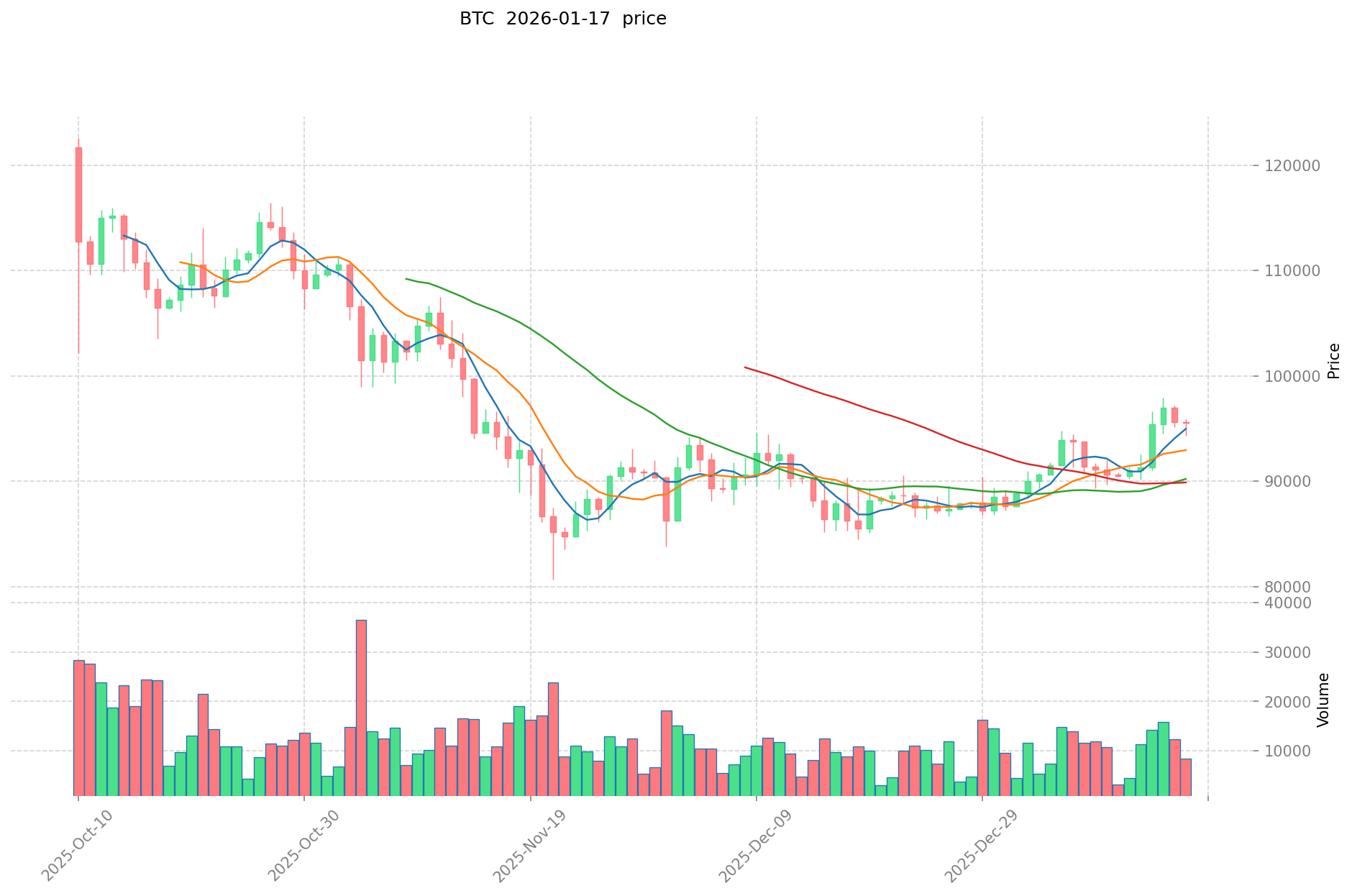
For instance, if Bitcoin were adopted by global e-commerce giants like Amazon, Walmart, and Alibaba, its inherent value would increase substantially. Furthermore, if central banks started holding Bitcoin on their balance sheets and investing in the cryptocurrency, its value as a monetary instrument would rise significantly. The same holds true if companies use Bitcoin for international trade instead of conventional fiat currencies such as the dollar or euro.
Ultimately, assessing the value of Bitcoin is challenging because its worth truly depends on how it is used in the real economy and how people perceive it. This leads to a critical question: who actually has the authority to determine Bitcoin's true value?
What Impacts the Bitcoin Exchange Rate?
A major advantage of decentralized finance is that decision-making and network governance are distributed among a broader community of participants. Bitcoin pioneered this revolutionary concept in its whitepaper, introducing a fundamentally new approach to payment processing and value storage.
This innovation removed traditional banking and financial intermediaries, delegating those roles to a decentralized network of anonymous miners. The absence of central authorities and regulators in the Bitcoin network is seen by many users as a key benefit, providing independence from manipulation by individual institutions.
As a result, the Bitcoin exchange rate is determined by market-driven supply and demand—without direct intervention by central banks or government authorities. This makes Bitcoin a unique financial instrument in today's economy.
Who Sets Bitcoin's Price?
Because Bitcoin users and network participants collectively manage the network, they ultimately set Bitcoin's price through free market mechanisms. This is similar to sports: a referee can influence a game, but it's the players who bring excitement and genuine value to the sport.
With Bitcoin, central banks and financial regulators wield far less power than in traditional finance and banking. The price is determined solely by the interplay of buyers and sellers on trading platforms worldwide.
This means every market participant—from large institutional investors to individual holders—contributes to setting Bitcoin's price. This decentralized pricing model makes the market more democratic, but also more volatile.
What Indicators and Variables Affect Bitcoin's Price?
While not exhaustive, the following are the main factors that determine Bitcoin's price and market value.
Supply and Demand
Supply and demand are some of the most fundamental drivers behind Bitcoin's price. The Bitcoin protocol creates new coins at a fixed, predetermined rate. New bitcoins are added to the supply when miners successfully process blocks of transactions.
This issuance process is designed to slow over time until the final supply cap of 21 million coins is reached. Because of this strict supply limit, Bitcoin's price tends to rise—especially when demand exceeds the available supply on the market.
This scarce-asset model makes Bitcoin comparable to precious metals like gold, explaining its popularity as a store of value.
Competition
Competition from other cryptocurrencies can either drive up or depress Bitcoin's price. As the number and popularity of alternative cryptocurrencies grow, Bitcoin's price may decline if demand shifts toward other innovative coins with new features.
The opposite is also true: less real competition from alternative projects increases the likelihood that Bitcoin’s price will rise or remain stable. As the first and most recognized cryptocurrency, Bitcoin benefits from strong brand recognition and network effects.
Production Cost
Bitcoin mining requires vast amounts of electricity and computing power. As a result, only large organizations, specialized mining farms, and countries with ample energy resources can mine competitively.
High upfront equipment costs and ongoing operational expenses for mining create a natural price floor. Miners will not sell bitcoins below their production cost, which helps support a minimum market price.
Regulation and Legal Issues
Regulation and legal issues typically slow growth in most industries, which can naturally drive asset prices lower. However, since Bitcoin, blockchain technology, and cryptocurrency remain relatively new, regulatory clarity can actually boost confidence among industry participants.
Clear regulations address concerns around data privacy, asset insurance, and transaction taxation. By providing legal stability, effective regulation can attract more institutional and retail investors to the market. As a result, Bitcoin's price may rise significantly.
Conversely, excessive or restrictive regulation of the crypto industry and digital economy can have the opposite effect, leading to sharp price declines. This dynamic has been tested repeatedly in response to regulatory actions from India, China, South Korea, and the United States.
Accessibility
To own and actively trade bitcoins, decentralized platforms and centralized exchanges are essential for users to easily buy and sell the asset. The simpler and safer it is to acquire and store Bitcoin, the more likely its price is to rise.
On the other hand, if buying Bitcoin becomes difficult due to technical hurdles, payment system restrictions, or a lack of user-friendly platforms, this reduces demand and, by extension, price.
Market Sentiment
Market sentiment and public perception are also critically important factors driving Bitcoin's price. These are among the strongest and most unpredictable influences. For example, when prominent entrepreneurs or financial experts publicly comment on Bitcoin—positively or negatively—the market reacts immediately.
There is also a dedicated Bitcoin Fear and Greed Index that analyzes market emotions and sentiment from news sources, social media, and trading data, consolidating them into a single, accessible metric. This indicator helps investors assess the current market landscape and make more informed decisions.
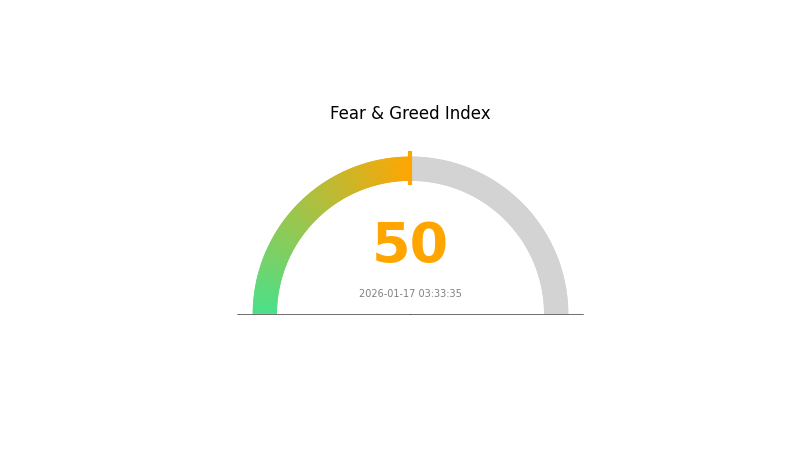
Sentiment can shift rapidly in response to news, rumors, or macroeconomic events, making the Bitcoin market especially volatile in the short term.
How Valuable Is Bitcoin?
At its core, Bitcoin is a digital currency. Its fundamental value is determined by how many goods and services it can purchase in the real economy. Over time, however, Bitcoin's value proposition has expanded beyond simple payments.
Many market participants view Bitcoin as a unique asset—an effective store of value against inflation and fiat currency devaluation. Bitcoin is also seen as a long-term investment that can yield substantial returns over several years.
Still, looking at Bitcoin’s original role as a currency, its use in everyday payments remains limited. Most people cannot yet use it for daily necessities like groceries, clothing, or utilities. Additionally, Bitcoin is not widely accepted for tax payments in most jurisdictions. These limitations reduce its practical value as a universal currency.
Nevertheless, one of the main—and most compelling—arguments for Bitcoin and cryptocurrencies overall is that their value is not controlled by any single person, organization, or state. True value is determined directly by those who use, hold, and invest in Bitcoin.
Many believe that free market forces will naturally create the necessary conditions for Bitcoin to achieve stable and widespread adoption. As history has shown, Bitcoin's decentralized design has allowed it to avoid many systemic problems and crises that plague state-controlled currencies.
FAQ
What Factors Influence Bitcoin Price Fluctuations?
Bitcoin’s price is affected by the global economy, supply and demand, regulatory policy, technological upgrades, and investor sentiment. Macroeconomic trends, inflation, and changes in interest rates also have a major impact on its value.
How Do Supply and Demand Affect Cryptocurrency Prices?
Supply and demand are the core drivers of cryptocurrency prices. High demand and low supply push prices higher, while low demand and high supply bring prices down. Trading volume further amplifies these effects on the market.
How Do Policy and Regulatory Changes Affect Cryptocurrency Prices?
Policy and regulatory changes usually trigger volatility in cryptocurrencies. Tighter regulation often results in price drops due to increased market uncertainty and reduced investor confidence.
How Do Market Sentiment and Investor Psychology Affect Bitcoin Price Fluctuations?
Market sentiment has a direct impact on Bitcoin's price. Bullish sentiment and positive investor psychology drive prices up by increasing demand and trading volume. Conversely, bearish sentiment and negative forecasts depress prices. Extreme optimism often leads to overvaluation, followed by corrections.
How Do Technical Factors (Like Mining Difficulty and Network Activity) Affect Cryptocurrency Prices?
Rising mining difficulty increases miners' costs, which can pressure prices. Greater network activity enhances security and typically supports or increases the asset's value by boosting demand and trust.
* The information is not intended to be and does not constitute financial advice or any other recommendation of any sort offered or endorsed by Gate.