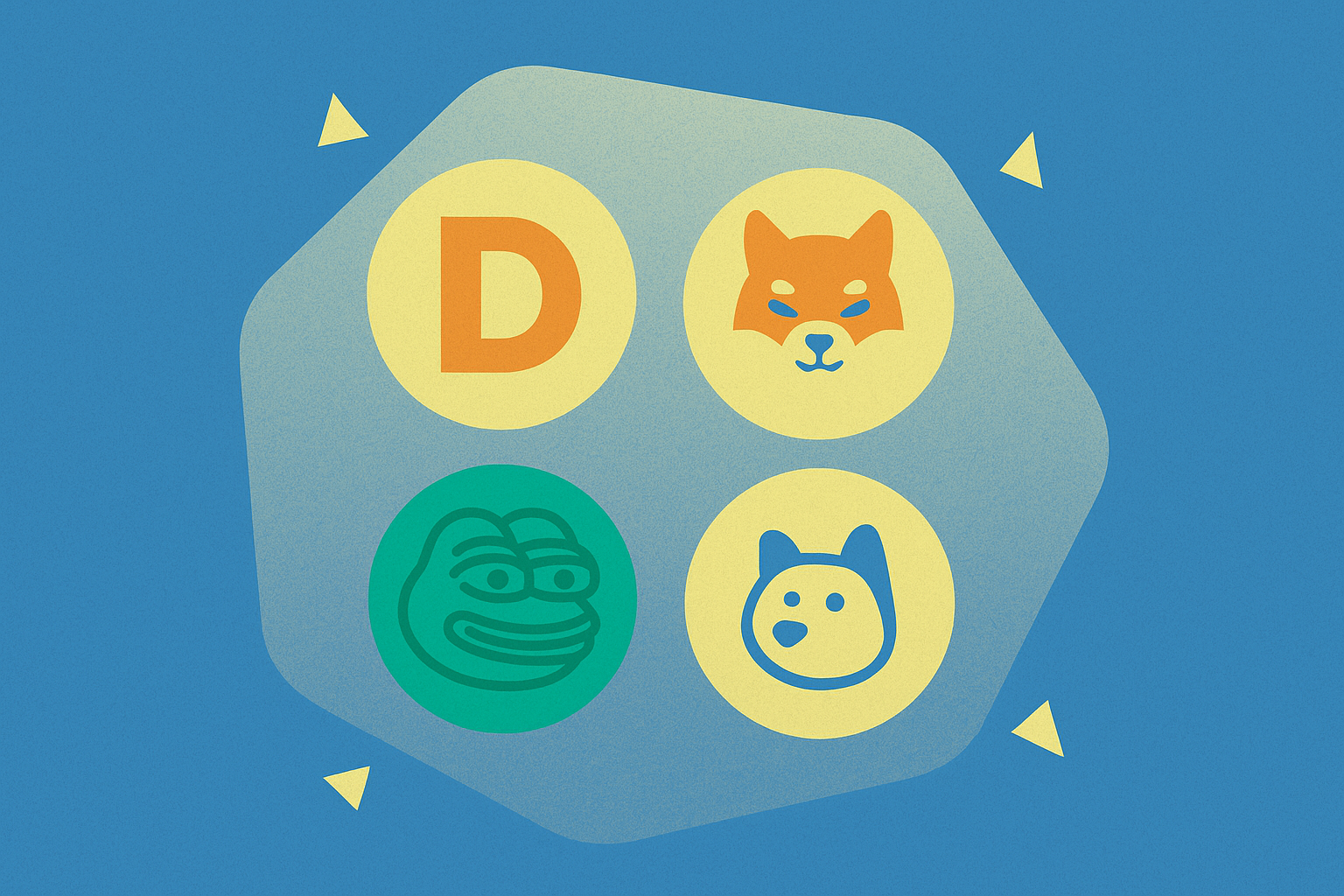
The complete guide to understanding meme tokens for beginners. Discover what meme tokens are, how they function, and explore popular examples like Dogecoin and Shiba Inu. This resource also covers the investment risks associated with meme tokens in the Web3 crypto market and outlines safe investment strategies.
What Are MEME Tokens?
MEME tokens are a cultural phenomenon unique to the internet age. They emerge from memes and jokes that go viral across social networks. These pieces of content resonate with large audiences, spreading quickly and shaping digital culture trends.
The MEME token, or meme coin, is a crypto asset that originates from this trend. Unlike traditional cryptocurrencies with solid technological foundations, MEME tokens typically lack clear intrinsic value. Instead, they represent a trend or specific cultural moment. Their value comes primarily from community consensus and viral social media effects, not from direct blockchain technology applications.
What makes MEME tokens stand out is their ability to turn an internet joke into a digital asset with a market value in the millions, or even billions, of dollars. This reflects the power of community-driven culture and speculative psychology in the modern crypto market.
Why Are MEME Tokens So Popular?
Cultural Identity and Community Influence
Many MEME tokens are built on distinct cultural elements, creating strong community bonds. Holding a MEME token means more than owning a digital asset—it’s about joining a community with shared beliefs and cultural values. This consensus sparks spontaneous viral effects, bringing in more participants and investors, which drives higher recognition and value for the token.
MEME token communities are highly active on platforms like Twitter, Reddit, and Telegram. They generate memes, videos, and creative content to promote their tokens, making investment both entertaining and socially engaging.
Asset Effect and Enormous Profit Potential
MEME tokens often start at extremely low prices, sometimes fractions of a cent or even millionths of a dollar. This low barrier attracts retail investors who can purchase millions or billions of tokens with modest capital. When FOMO—the Fear of Missing Out—kicks in, prices can surge hundreds, thousands, or even tens of thousands of times in a short period.
Stories of investors turning a few hundred dollars into millions with MEME tokens are widespread, fueling excitement and drawing in new waves of investors. Still, for every success, thousands of others face heavy losses.
Speculative Nature and Viral Growth
Most MEME tokens lack a strong technology base or long-term development plans. Their real-world use cases are limited; instead, they rely on speculation and social media virality to sustain value. This lack of intrinsic worth makes MEME token prices extremely volatile and entirely dependent on market sentiment.
Their rapid viral spread is the main draw for MEME tokens. A single celebrity tweet, a viral meme, or an unexpected event can send prices soaring or crashing within hours. This makes for big profit opportunities—but also significant risks for investors.
What Are the Most Popular MEME Coins?
Dogecoin (DOGE)
Dogecoin launched in 2013 as a parody, originally mocking the rampant exploitation of crypto at the time. Created as a joke, Dogecoin features the famous Shiba Inu dog from an internet meme as its icon. At first, DOGE served mostly entertainment purposes, with low value and fast transactions, and was often used for tipping on online forums.
Dogecoin’s fortunes changed dramatically thanks to Tesla and SpaceX CEO Elon Musk’s enthusiastic support. His frequent tweets about Dogecoin turned it into a global sensation. At its peak in 2021, DOGE traded near $0.80 per token, with a market cap in the tens of billions. Dogecoin is now accepted for payment by select businesses, including Tesla for certain merchandise.
Shiba Inu (SHIB)
Shiba Inu debuted in 2021, branding itself as the "Dogecoin Killer." SHIB quickly became a key player in the animal-themed (especially dog-themed) meme coin craze, alongside Dogecoin.
SHIB’s popularity comes from several sources. First, Elon Musk referenced it indirectly on social media. Second, it introduced bold and unique tokenomics: in the initial distribution, the SHIB team sent 50% of the total supply (about 500 trillion tokens) straight to Vitalik Buterin, Ethereum’s founder. This move was seen as locking up supply and creating artificial scarcity. Vitalik later donated a large portion to India’s COVID-19 relief fund and burned the rest, significantly reducing circulating supply.
The SHIB team expanded its ecosystem with ShibaSwap (a decentralized exchange), NFT collections, and partnerships that brought Shiba Inu into GameFi projects. These efforts aim to give SHIB real value beyond just being a meme.
PEPE is a MEME token inspired by Pepe the Frog, a cartoon character by artist Matt Furie. Pepe is already an internet icon, especially popular in the crypto world, and is often used to express market sentiment through memes.
PEPE set records as the fastest-growing ERC-20 token in crypto history. In just 23 days after launch, PEPE gained over 100,000 holders and hit a $1 billion market cap. This explosive growth showcased the power of social media virality and FOMO among crypto users.
PEPE’s success also highlights the importance of picking the right cultural symbol. Pepe the Frog already had a massive internet following, and tokenizing it tapped into this built-in community.
AIDOGE
AIDOGE is a prime example of merging the AI (artificial intelligence) trend with MEME tokens. It uses an innovative conditional airdrop model: ARB (Arbitrum network) holders could claim free AIDOGE, with early claimants receiving more tokens. This created strong FOMO and encouraged quick user participation.
AIDOGE also introduced complex tokenomics with a 15% transaction fee, distributed as follows:
- 1% permanently burned, reducing supply
- 3% shared with token stakers
- 3% randomly awarded to users with transactions over $100
- 8% allocated for development, marketing, and other purposes
This structure rewards long-term holding and active participation in the ecosystem.
Elon Musk and MEME Tokens
Tesla and SpaceX CEO Elon Musk wields huge influence over the MEME token market, especially Dogecoin. Each tweet he sends about Dogecoin can spark dramatic price swings, making him one of the most influential unofficial market makers in crypto history.
Notable examples of Musk’s impact on Dogecoin include:
January 28, 2021: Musk tweeted about the magazine “Dogue” (a play on Vogue), sending DOGE up 404% in a short time.
February 4, 2021: His famous “Dogecoin is the people’s crypto” tweet pushed DOGE up 90%, cementing its reputation as the people’s coin.
February 24, 2021: Musk posted an image of Dogecoin landing on the moon, boosting price from $0.043 to $0.06—reinforcing the “to the moon” theme in crypto culture.
April 15, 2021: A simple image tweet of the Dogecoin logo drove the price up 238%, reaching $0.45—one of DOGE’s largest rallies ever.
January 14, 2022: Musk announced Tesla would accept Dogecoin for certain merchandise, giving DOGE its first real-world utility.
June 21, 2022: Musk revealed SpaceX would also accept Dogecoin, further expanding its use.
October 28, 2022: When Musk acquired Twitter (now X) for $44 billion, DOGE jumped from $0.06 to $0.158 on speculation he might integrate DOGE into the platform.
These events show the power of influencers in the MEME token space—and underscore the volatility and risk of investing in these assets.
Risks of MEME Tokens
Meme coins’ biggest allure for investors is massive profit potential—but it comes with serious risks that every investor must recognize.
Extreme Price Volatility: MEME tokens are among the most volatile investments. Prices can rise tenfold in a day—or crash 90% within hours. This volatility comes from a lack of intrinsic value and total reliance on crowd psychology.
FOMO and Price Bubbles: Meme coin prices often surge due to FOMO-driven buying. As more people jump in to avoid missing out, prices can become irrationally high. But when the mania passes and new buyers disappear, values can plummet, leaving late entrants with heavy losses.
Lack of Real Value: Unlike blockchain projects with practical applications, most MEME tokens lack a tech foundation or clear use case. Their value depends entirely on ongoing community belief and buying. Once confidence fades, tokens can quickly become worthless.
Rug Pulls and Scams: Many MEME tokens are designed to scam investors. Developers may launch a token, create hype, attract investment, then remove all liquidity and vanish—a classic rug pull. Investors can lose everything in such cases.
Poor Liquidity: Some MEME tokens have very low liquidity, making it hard to sell when needed. Investors may get stuck with unsellable tokens or only be able to sell at steep discounts.
Reliance on Influencers: Many MEME tokens are heavily dependent on celebrity endorsements. When influencers stop supporting or switch tokens, prices can collapse instantly.
Investor Guidelines:
When investing in MEME tokens, you should:
- Only use money you can afford to lose completely
- Keep a cool head—don’t let emotions drive your decisions
- Research projects, team, and community thoroughly
- Follow market trends and know when to take profits
- Never borrow to invest in MEME tokens
- Diversify your portfolio—don’t put everything in one token
MEME tokens can offer outsized rewards, but they’re among the riskiest investments available. Only those who fully understand the risks and have solid risk management strategies should participate in this market.
FAQ
What is a Meme Token? How is it different from standard cryptocurrency?
Meme Tokens are speculative cryptocurrencies powered by internet memes and online communities. Unlike traditional cryptocurrencies with practical use cases, Meme Tokens have no underlying value, are highly volatile, and function purely as trading vehicles—unlike Bitcoin or Ethereum.
Do Meme Tokens have practical use? Are they safe investments?
Meme Tokens are speculative assets driven by community energy and viral trends. They offer high potential returns—but come with significant volatility risks. Investors need deep market understanding and strong risk tolerance.
How do you buy MEME Tokens? Where can you trade them?
You can buy MEME Tokens on major centralized and decentralized exchanges. Check live prices on CoinMarketCap or CoinGecko to find the best liquidity and trading volumes for your needs.
What are the risks of MEME Tokens? What should you watch out for?
Key risks include rug pulls, price manipulation, and centralized control. Review project transparency, smart contract security, and token distribution. Use tools like MemeScan for initial risk analysis before trading on stable, low-fee platforms.
What’s the outlook for MEME Tokens like Dogecoin and Shiba Inu?
Dogecoin and Shiba Inu both show strong long-term growth potential. Shiba Inu is projected for significant gains, while Dogecoin has proven resilient. Despite market headwinds, both tokens have a positive outlook.
What are the cultural features of MEME Token communities? Why are they so popular?
MEME Token communities thrive on high participation and viral momentum. Their appeal lies in entertainment value and the powerful influence of social media. A single celebrity tweet or trending topic can drive dramatic price action.
* The information is not intended to be and does not constitute financial advice or any other recommendation of any sort offered or endorsed by Gate.