Inflation erodes currency purchasing power as prices rise faster than income growth, silently diminishing real wealth. This comprehensive guide explores inflation's mechanisms, distinguishing between cost-push and demand-pull drivers, and explains why nominal wealth gains mask actual value deterioration. While moderate inflation supports economic growth, hyperinflation creates severe economic distortions. The article examines inflation measurement through Consumer Price Index and identifies protective asset strategies. Key inflation hedges include precious metals like gold, short-term debt instruments, essential goods company stocks, Real Estate Investment Trusts, and emerging digital assets like Bitcoin. Bitcoin's fixed 21-million coin supply positions it as 'digital gold' against monetary expansion. Strategic diversification across these asset classes protects purchasing power and generates returns exceeding inflation rates. Success requires understanding inflation mechanisms, monitoring indicators, and pro
What Is Inflation?
Inflation, in its most fundamental sense, refers to a condition where there is an excessive amount of money circulating within an economic system, leading to a general rise in the prices of goods and services. This phenomenon occurs when the money supply grows faster than the production of goods and services, effectively reducing the purchasing power of each unit of currency.
The root cause of inflation stems from the expansion of the money supply through various monetary policy mechanisms. When central banks increase the amount of money in circulation—whether through printing new currency, lowering interest rates, or implementing quantitative easing programs—they effectively increase the supply of money available in the economy. This expansion of monetary supply, if not matched by corresponding economic growth, inevitably leads to inflationary pressures.
How Does Inflation Occur?
The mechanism of inflation can be understood through a practical example of monetary policy implementation. When a central bank, such as Thailand's central bank or any major monetary authority, decides to inject additional liquidity into the economic system, it typically employs low-interest-rate policies to encourage borrowing. These favorable lending conditions enable investors and individuals to access credit more easily, whether for business expansion, real estate purchases, or automobile financing.
As more money flows into the economy through these lending channels, the total amount of currency in circulation increases substantially. This expansion affects both business owners and employees, as companies may generate higher revenues and subsequently increase wages. However, this seemingly positive development carries inherent risks that manifest over time.
Does More Money Mean Greater Wealth?
When the supply of money increases significantly, it creates a temporary illusion of prosperity. Businesses may experience higher sales volumes, and individuals might find themselves with more cash on hand. You might sell more products or services while maintaining the same expenditure levels, resulting in increased savings.
However, this apparent wealth creation is deceptive. From the perspective of producers and service providers, the increased money supply means they are potentially selling their goods and services at prices that are too low relative to the new monetary reality. This realization leads to inevitable price adjustments across the economy.
The critical factor driving these price adjustments is not merely the abundance of money, but rather the increased costs at the production level. Raw materials, manufacturing inputs, and supply chain expenses all rise in response to inflationary pressures. These upstream cost increases are ultimately passed down to consumers through higher retail prices.
Beyond the immediate effect of currency devaluation due to increased money supply, several long-term factors contribute to rising production costs. These include population growth, excess liquidity in the financial system, and increased aggregate consumption. If your ability to generate income remains stagnant or grows slower than the inflation rate, your real purchasing power diminishes. In simple terms, you are becoming relatively poorer due to inflation, even if your nominal income remains unchanged.
Advantages and Disadvantages of Inflation
Advantages
Moderate inflation, typically in the range of 2-3% annually, is generally considered healthy for economic growth. This level of inflation facilitates economic circulation, as people experience gradual income increases without severe impacts on production costs. Businesses benefit from growing revenues, which they can reinvest in expansion and job creation. This positive cycle encourages employment growth and economic dynamism.
Moderate inflation also discourages excessive saving and encourages productive investment, as holding cash becomes less attractive when its value gradually erodes. This incentivizes individuals and businesses to deploy capital in ways that generate returns above the inflation rate, promoting economic activity and innovation.
Disadvantages
Hyperinflation, characterized by extremely rapid and uncontrolled price increases, creates severe economic distortions. When inflation accelerates suddenly and dramatically, businesses cannot adapt quickly enough to the rapidly rising costs. This forces companies to downsize operations, reduce workforce, or even close entirely.
In such conditions, businesses must raise prices sharply to survive, but consumers' purchasing power erodes even faster, creating a vicious cycle. Essential goods and services become unaffordable for large segments of the population, leading to economic hardship and social instability. The unpredictability of hyperinflation also makes long-term planning virtually impossible, further damaging economic prospects.
How Is Inflation Measured?
Inflation measurement relies on identifying and tracking the primary factors that drive price changes in an economy. The two main drivers of inflation are:
-
Cost-Push Inflation: This occurs when the costs of production inputs—such as raw materials, energy, and labor—increase, forcing producers to raise prices to maintain profitability.
-
Demand-Pull Inflation: This type of inflation results from excessive demand for goods and services relative to available supply, allowing sellers to raise prices without losing customers.
The Consumer Price Index
The most widely used measure of inflation is the Consumer Price Index (CPI), which tracks price changes across a representative basket of goods and services. The CPI measurement encompasses:
-
Changes in prices of goods and services: This includes food, clothing, transportation, healthcare, education, and entertainment.
-
Housing costs: This component covers rental prices, home purchase costs, and related expenses.
The specific composition of the CPI basket varies by country, reflecting the consumption patterns and priorities of each nation's population. Statistical agencies regularly update the basket's composition to ensure it accurately represents current consumer behavior and spending patterns.
Surviving Inflation Through Strategic Financial Planning
As previously discussed, if your income growth fails to keep pace with inflation, your real wealth diminishes over time. In an environment of elevated inflation, this erosion of purchasing power becomes particularly acute. Investment becomes not merely an option for wealth building, but a necessity for wealth preservation.
The fundamental question facing individuals in an inflationary environment is: which assets should I invest in to protect and grow my wealth?
Which Assets Should Investors Consider During Inflation?
Several asset classes have historically demonstrated resilience during inflationary periods:
Gold has traditionally served as an inflation hedge because its price tends to move in tandem with inflation rates. Often referred to as a "safe haven" asset, gold maintains its value due to its limited supply and high production costs. Unlike fiat currency, which can be printed at will by central banks, gold's scarcity and the substantial resources required to mine new supply help preserve its value over time. Other precious metals like silver and platinum share similar characteristics.
Short-Term Debt Instruments
When central banks raise interest rates to combat inflation, short-term debt instruments become more attractive. These securities offer yields that adjust upward with interest rate increases while exhibiting lower volatility compared to long-term bonds. Long-term bonds face greater price risk from sustained interest rate adjustments and carry higher duration risk, making short-term instruments more suitable during inflationary periods.
Stocks of Essential Goods and Services Companies
Companies providing essential products and services—such as utilities, healthcare, and consumer staples—tend to perform relatively well during inflation. These businesses benefit from inelastic demand, meaning consumers continue purchasing their products even as prices rise. If these companies also pay dividends, they provide an additional income stream that can help offset inflation's impact on purchasing power.
REITs offer exposure to real estate markets, which historically have provided inflation protection. Rental income typically adjusts upward in line with inflation, and real estate often faces inelastic demand, particularly in the residential and essential commercial sectors. This combination helps REITs maintain value during inflationary periods while providing regular income distributions to investors.
Bitcoin and Digital Assets
Bitcoin has gained recognition as "digital gold" due to its fixed supply cap of 21 million coins. This scarcity characteristic makes it theoretically resistant to inflation caused by monetary expansion. However, investors should note that Bitcoin remains highly volatile in the short term and represents a relatively new asset class without a long track record through various economic cycles.
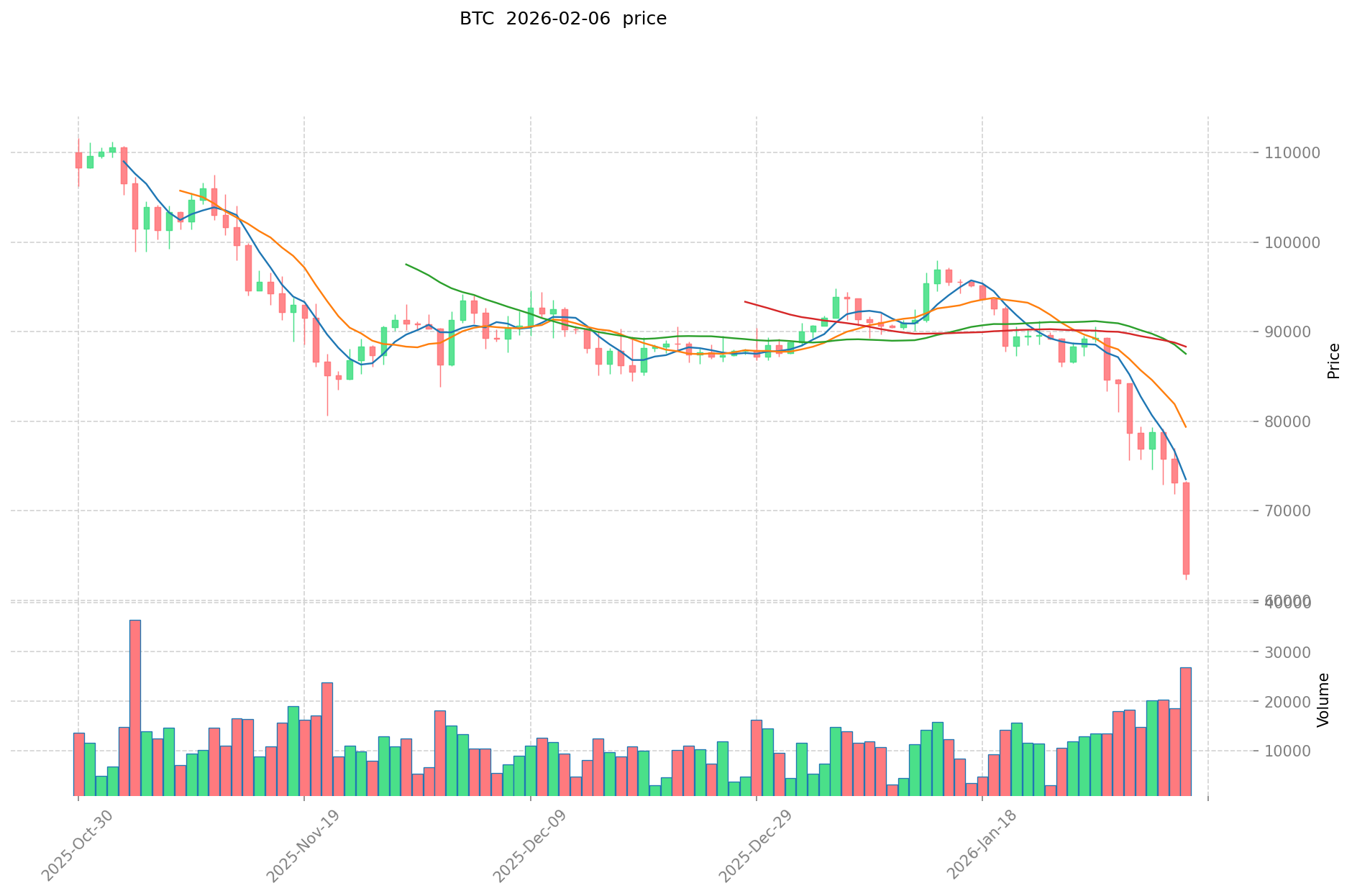 As such, it should be considered as part of a diversified portfolio rather than a sole inflation hedge.
Summary
Inflation represents a silent threat that erodes the value of your money, manifesting through rising prices for goods and services throughout the economy. If your income growth fails to match or exceed the inflation rate, you are effectively becoming poorer over time, regardless of how diligently you save.
Investment serves as a crucial tool for generating returns that outpace inflation, thereby preserving and growing your real wealth. Suitable assets for inflationary environments include precious metals like gold, short-term debt instruments, stocks of companies providing essential goods and services, real estate investment trusts, and emerging alternatives like Bitcoin. A well-diversified portfolio combining these assets can help protect your purchasing power and maintain your financial security in the face of inflationary pressures.
The key to successfully navigating inflation lies in understanding its mechanisms, monitoring its indicators, and proactively adjusting your financial strategy to ensure your wealth grows faster than prices rise. By taking informed action rather than passively accepting currency devaluation, you can maintain and enhance your economic well-being even in challenging inflationary environments.
FAQ
What is inflation? How does it occur?
Inflation refers to the overall rise in prices of goods and services, reducing currency purchasing power. It occurs when money supply increases faster than economic output, or when demand exceeds supply, causing each unit of currency to buy fewer goods over time.
How Does Inflation Affect My Purchasing Power and Savings?
Inflation reduces your purchasing power as prices rise, meaning your money buys less. Your savings lose real value if investment returns fall below inflation rates. To protect wealth, consider assets that outpace inflation growth.
How does inflation affect wages, mortgages, and investment returns?
Inflation reduces real wage purchasing power, increases mortgage costs over time, but strategic investments can generate returns that match or exceed inflation rates, potentially preserving wealth.
How to Measure Inflation? What is the Difference Between CPI and PPI?
Inflation is measured via CPI and PPI. CPI tracks consumer prices for goods and services, reflecting retail price changes. PPI measures producer costs for raw materials and products, showing production-level inflation. CPI focuses on consumer spending impact, while PPI indicates upstream cost pressures.
How should individuals protect their assets during high inflation periods?
Diversify investments across stocks, bonds, gold, and real estate to hedge against inflation. Avoid holding excessive cash. Consider inflation-protected securities and real assets that preserve purchasing power effectively.
What is the relationship between inflation and unemployment rate?
In the short term, high inflation typically accompanies low unemployment, following the Phillips Curve. However, in the long term, these two variables are independent. Central banks often face a trade-off between reducing inflation and maintaining employment levels.
How does the central bank control inflation through interest rate adjustments?
Central banks raise interest rates to reduce borrowing and spending, decreasing demand and lowering prices. Higher rates increase lending costs, slowing economic activity and curbing inflation effectively.
What was the most severe hyperinflation event in history and what consequences did it cause?
Germany's 1923 hyperinflation was the most severe, causing currency collapse, massive wealth destruction, and severe social turmoil. The exchange rate reached trillions of marks per dollar, devastating the economy and contributing to political instability.
Does inflation affect different income groups equally?
No, inflation impacts different income groups unequally. Low-income groups suffer more severely as they spend larger portions on essentials like food and energy. High-income groups can better absorb price increases and may benefit through asset appreciation, widening wealth inequality.
Which assets can preserve and appreciate value in an inflationary environment?
Bitcoin and cryptocurrencies serve as digital alternatives to traditional hedges. Gold, real estate, and commodities traditionally preserve value during inflation. Additionally, dividend-yielding stocks and inflation-linked bonds offer protection against currency devaluation.
* The information is not intended to be and does not constitute financial advice or any other recommendation of any sort offered or endorsed by Gate.