Discover how to leverage the Fear and Greed Index in the crypto market for smarter trading decisions. This in-depth guide explains how to calculate, apply, and interpret the index, providing actionable insights for traders and digital asset investors.
In Brief
The Crypto Market Fear and Greed Index is a specialized analytics tool designed to quantify the emotional sentiment of participants in the cryptocurrency market. This indicator helps traders and investors gain insight into current market psychology and make more informed trading decisions based on dominant sentiment.
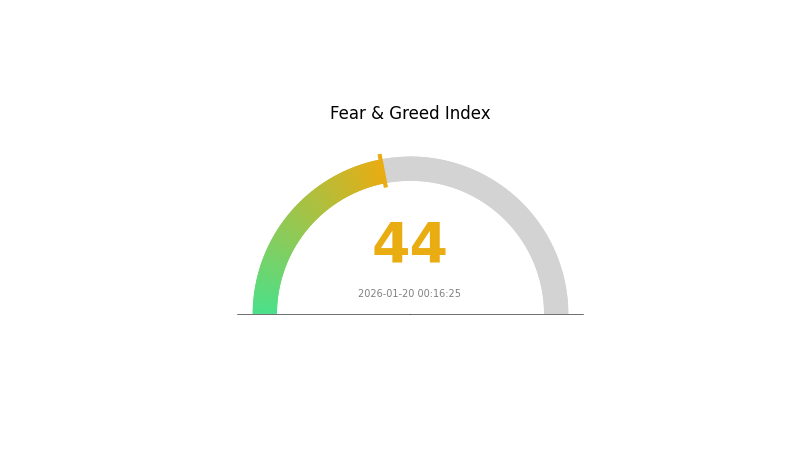
Key features of the index:
- The Crypto Market Fear and Greed Index is a comprehensive sentiment gauge for the crypto market, combining multiple core metrics
- The index scores market sentiment on a scale from 0 (extreme fear) to 100 (extreme greed), offering a quantitative snapshot of the market’s emotional state
- It helps traders spot potential buy opportunities during market dips and sell opportunities during peaks
- This tool is most effective for short-term sentiment analysis and should be used in tandem with other technical and fundamental analysis approaches
- The index should supplement a holistic trade analysis, not serve as the sole basis for investment decisions
Origin of the Crypto Market Fear and Greed Index
The Fear and Greed Index concept originated in traditional financial markets. CNN’s business division first created the index to gauge sentiment in the stock market. The tool quickly gained popularity among equity traders for its ability to quantify market emotions.
Later, analytics site Alternative.me adapted the concept for the crypto space, launching a dedicated index for digital assets. The site updates index metrics daily, supplying traders with up-to-date readings on market sentiment.
The index captures bullish and bearish trends over different timeframes—daily, weekly, and monthly—allowing traders to monitor sentiment shifts and identify persistent trends. In bull markets, traders often experience Fear Of Missing Out (FOMO), which can prompt impulsive buying at market highs. In contrast, markets dominated by fear present seasoned traders with attractive opportunities to buy undervalued assets. During periods of peak greed, when the index nears 100, experienced traders typically lock in profits and sell assets in anticipation of a correction.
How the Fear and Greed Index Is Calculated
The Crypto Market Fear and Greed Index is a composite score calculated from several key metrics, each weighted in the final result:
Volatility
Volatility accounts for 25% of the index and is critical for measuring market sentiment. This metric compares current Bitcoin price swings to average volatility over the last 30 and 90 days. High volatility often signals heightened fear, as sharp price movements make traders anxious and prone to rash decisions. Low volatility can indicate complacency and rising greed among market participants.
Market Momentum and Trading Volume
This component makes up roughly 25% of the index and reflects overall market activity. Increased trading volume shows stronger trader interest and a higher greed level. High volumes generally accompany major price moves and signal active participation from both institutional and retail investors. This metric is measured over a 30–90 day window to filter out short-term anomalies and reveal sustained trading trends.
Social Media
Social media represents about 15% of the index and measures public interest in cryptocurrencies. Popular platforms like X (formerly Twitter) and Reddit are monitored to analyze hashtags and mentions of Bitcoin and other coins. Higher engagement—including likes, reposts, and comments—signals growing market interest and likely bullish sentiment. Algorithms assess not just the volume but also the tone of posts, distinguishing between positive and negative sentiment.
Market Research and Surveys
This segment is about 15% of the index and provides direct feedback from market participants. Surveys, typically updated weekly, cover 2,000–3,000 users across crypto platforms. Participants are asked about overall market sentiment, investment plans, and expectations for future price movements. These insights add qualitative depth to the quantitative metrics by capturing the perspectives of real traders.
Bitcoin Dominance
Bitcoin dominance makes up about 10% of the index and shows how capital is split between Bitcoin and altcoins. High BTC dominance (when most market cap is in Bitcoin) often points to rising market caution, as investors shift to the perceived “safer” asset. When altcoins lead, traders show greater appetite for risk and greed, seeking higher returns from less liquid assets.
Google Search Trends
Google search trends comprise 10% of the index and gauge public interest in crypto by tracking search queries. More searches for buying Bitcoin—like “how to buy Bitcoin” or “best platforms for buying crypto”—signal increased interest and a potential bull market. Conversely, a spike in searches about shorting or selling crypto may point to a bearish mood and likely price drops.
Advantages of the Crypto Market Fear and Greed Index
Using the Fear and Greed Index gives traders and investors several notable advantages:
- The index lets experienced traders see overall market sentiment and make more informed trades based on data rather than intuition
- The tool enables expert traders to apply contrarian strategies and benefit from extreme index readings, buying during fear and selling during greed
- The index helps traders make more rational decisions based on objective sentiment analysis, reducing the impact of emotion on trading
- The tool is especially valuable for beginners, helping them understand and analyze crypto market sentiment and learn to recognize emotional cycles
- The index offers a straightforward, visual way to assess market psychology, making it accessible even to those new to crypto trading
Criticism of the Fear and Greed Index
Despite its strengths, the Fear and Greed Index has limitations to consider:
- The index is not ideal for analyzing long-term crypto cycles, as it mainly tracks short-term sentiment and can give misleading signals for multi-year trends
- The calculation method does not sufficiently account for other major cryptocurrencies and tokens—such as Ethereum—even though these assets significantly impact total market capitalization
- The index does not factor in specific crypto market events, such as the likelihood of a bull market after Bitcoin halving, which has historically affected price trends
- The tool may lag in reflecting fast sentiment changes, especially during sharp market moves or major news events
- The index does not include macroeconomic factors, regulatory shifts, or other fundamental events that can strongly influence the crypto market
How Reliable Is the Crypto Market Fear and Greed Index?
Assessing the reliability of the index requires a balanced perspective. It’s important not to rely exclusively on this indicator for trading decisions. The index is well suited for short-term sentiment analysis and can be a valuable addition to trading strategies, but it should be used alongside your own research and other analytical tools.
For short-term and swing traders, the index can provide useful signals for potential entry and exit points. Long-term investors, however, should focus on fundamental analysis—such as project development, product adoption, regulatory environment, and macroeconomic trends.
The most effective strategy is to use the Fear and Greed Index as one component of a comprehensive trading system that includes technical analysis, fundamental research, and risk management. Traders should remember that the crypto market is shaped by many factors, and no single indicator can predict future price moves with absolute certainty.
Conclusion
The Fear and Greed Index is a dynamic indicator that effectively captures the emotions of fear and greed driving the cryptocurrency market. It’s especially useful for swing traders and short-term investors seeking to capitalize on emotional market swings.
However, it’s important to recognize the index’s limitations: it’s optimized for short-term analysis and not suited for long-term forecasts or deep fundamental research. The tool helps pinpoint prevailing bullish and bearish sentiment, giving traders extra context for decision-making.
Crucially, the Fear and Greed Index should not be the sole basis for crypto trading. Top traders integrate this indicator into a comprehensive strategy that includes technical chart analysis, fundamental project evaluation, market news monitoring, and rigorous risk management. Only a multifaceted approach allows for sound investment decisions and sustainable profitability in the volatile crypto market.
FAQ
What Is the Crypto Market Fear and Greed Index?
The Fear and Greed Index (Fear and Greed Index) is a metric that measures crypto market sentiment (0–100). It analyzes volatility, trading volume, Bitcoin dominance, and social sentiment to define market cycles. Values below 30 indicate fear; above 70 signal greed—helping traders identify entry and exit points.
How Is the Fear and Greed Index Calculated and What Metrics Are Included?
The Fear and Greed Index is calculated from five key metrics: market volatility, price momentum, crypto trading volume, Bitcoin dominance, and search trends. Each metric is weighted and averaged to produce a final score from 0 to 100, where lower values signal fear and higher ones indicate greed.
How Should the Fear and Greed Index Be Used for Investment Decisions?
The index reveals market sentiment: during fear (0–25), buy assets at low prices; during greed (75–100), realize profits. Use it as a contrarian signal to optimize entry and exit points.
What Do the Different Ranges of the Fear and Greed Index Mean?
The Fear and Greed Index scores market sentiment from 0 to 100: 0–25 is extreme fear (an excellent buying opportunity); 25–45 is fear; 45–55 is neutral; 55–75 is greed; 75–100 is extreme greed (exercise caution).
How Does the Fear and Greed Index Relate to Bitcoin and Ethereum Price Movements?
The Fear and Greed Index mirrors market sentiment and often anticipates price moves. When the index shows extreme fear, Bitcoin and Ethereum are typically near a bottom and poised for a rebound. High greed usually signals overbought conditions and a likely price drop. This index is a helpful tool for spotting entry and exit points in the crypto market.
What Extreme Values of the Crypto Market Fear and Greed Index Have Been Observed Historically?
The Fear and Greed Index has hit extreme levels during major market swings. Maximum greed (near 90) occurred during bull runs, particularly in 2017 and 2021. Maximum fear (near 10) was recorded during market crashes, including events in 2018, 2020, and 2022. These extremes reflected peak trader emotions.
* The information is not intended to be and does not constitute financial advice or any other recommendation of any sort offered or endorsed by Gate.