BlackRock Reaffirms Its Commitment to Asset Tokenization
Larry Fink, CEO of BlackRock—one of the world’s largest asset managers—has once again emphasized the significance of asset tokenization in his annual letter to shareholders, marking the second consecutive year he has done so.
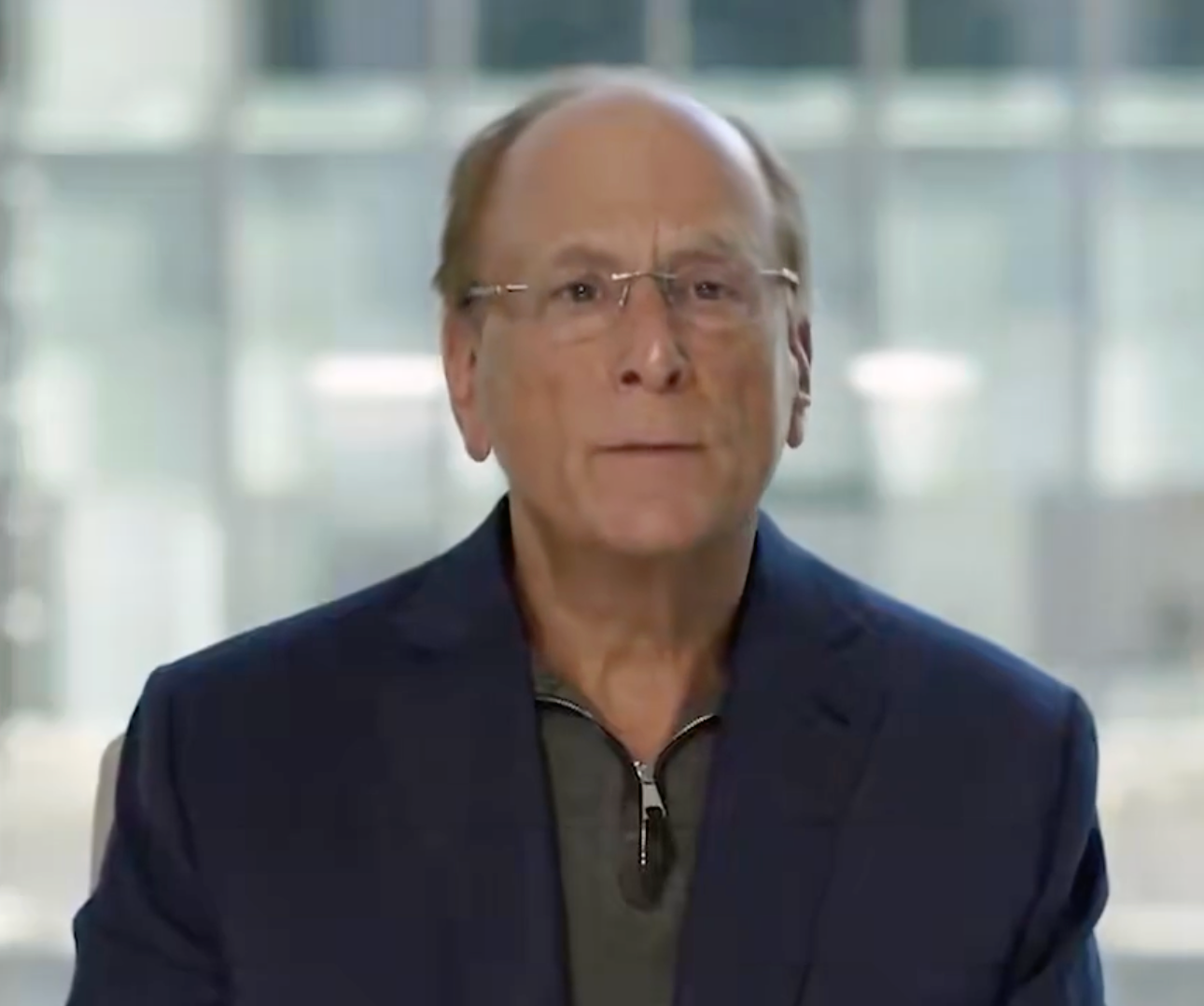 (Larry Fink, source: AltcoinDaily)
While last year’s letter primarily discussed how blockchain technology could enhance the technical architecture of financial systems, this year Fink shifted his focus to a different core issue: expanding access to investment and increasing market scale. He pointed out that millions of people around the world already use digital wallets on their smartphones. If these wallets evolve into gateways for investment, buying stocks or assets could become as easy as sending a payment.
How Tokenization Is Reshaping Financial Markets
Asset tokenization involves converting traditional financial assets—such as stocks, bonds, real estate, and other tangible assets—into digital tokens on a blockchain.
With blockchain technology, these assets can:
-
Be traded directly on-chain
-
Be divided into smaller, fractional units
-
Offer investors more ways to participate
Fink has argued that this approach could democratize investing, allowing individuals to participate in markets without needing to buy entire assets, but rather through fractional ownership.
Traditional Financial Institutions Accelerate Blockchain Adoption
In recent years, Wall Street’s interest in blockchain technology has grown significantly.
Many large financial firms are investigating how blockchain can:
At the same time, U.S. regulatory agencies have begun to test and study these technologies.
Nasdaq Launches Pilot for Tokenized Securities Trading
Recently, U.S. regulators and financial markets have made new strides. The U.S. Securities and Exchange Commission announced that Nasdaq can begin a pilot program to test trading models for tokenized stocks. Under current chair Paul Atkins, the SEC has started to advance regulatory frameworks for crypto assets, including exploring the feasibility of on-chain securities.
Nasdaq Partners With Talos
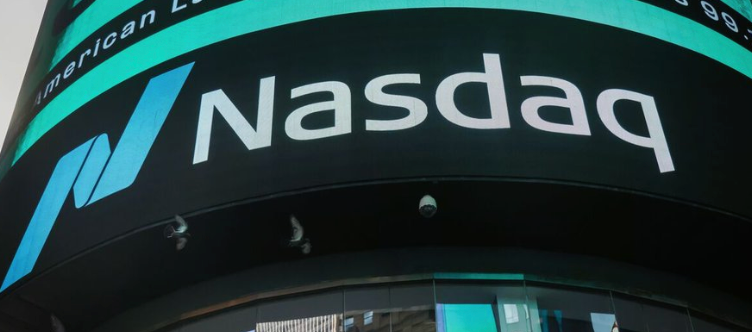 (Source: Bloomberg)
Beyond regulatory developments, market infrastructure is evolving as well. Nasdaq has partnered with digital asset firm Talos to enable institutional investors to use tokenized assets as collateral. Nasdaq’s management stated that this collaboration aims to gradually integrate on-chain and traditional markets, while maintaining market liquidity, transparency, and regulatory compliance.
Fink’s Insights on Fintech
Last year, Fink used a straightforward analogy to describe the transformation brought by asset tokenization.
He suggested that financial markets could undergo a shift as dramatic as the move from physical mail to email:
-
Trading would no longer be limited to set hours
-
Settlement speeds would increase dramatically
-
Processes that once took days could be completed in seconds
These changes would significantly enhance market efficiency.
Wall Street’s Intensifying Focus on Crypto Markets
BlackRock is not alone in its active exploration of digital assets. Global investment bank Goldman Sachs, for example, mentioned the importance of cryptocurrencies for the first time in its annual shareholder letter. The firm noted that financial markets are being transformed by multiple technological advances—including electronic trading, blockchain and distributed ledger technology, cryptocurrencies, and artificial intelligence. These developments are making the financial industry more competitive than ever.
Conclusion
Asset tokenization is transitioning from a conceptual idea to real-world implementation. With major financial institutions like BlackRock voicing public support and with Nasdaq and regulators piloting relevant technologies, the convergence of traditional finance and blockchain is picking up speed. As tokenization infrastructure matures, investment markets could become more open and efficient, offering new opportunities for global investors to participate.