Gate TradFi Rolls Out Comprehensive Upgrade
Gate TradFi has consistently provided users with a seamless cross-asset, cross-market trading experience. Now, the platform has completed a full upgrade of its products and mechanisms. This update not only expands the range of tradable assets but also debuts the industry’s first four-tier sliding leverage system, further enhancing trading flexibility and risk management.
Expanded Asset Diversity, Broader Trading Opportunities
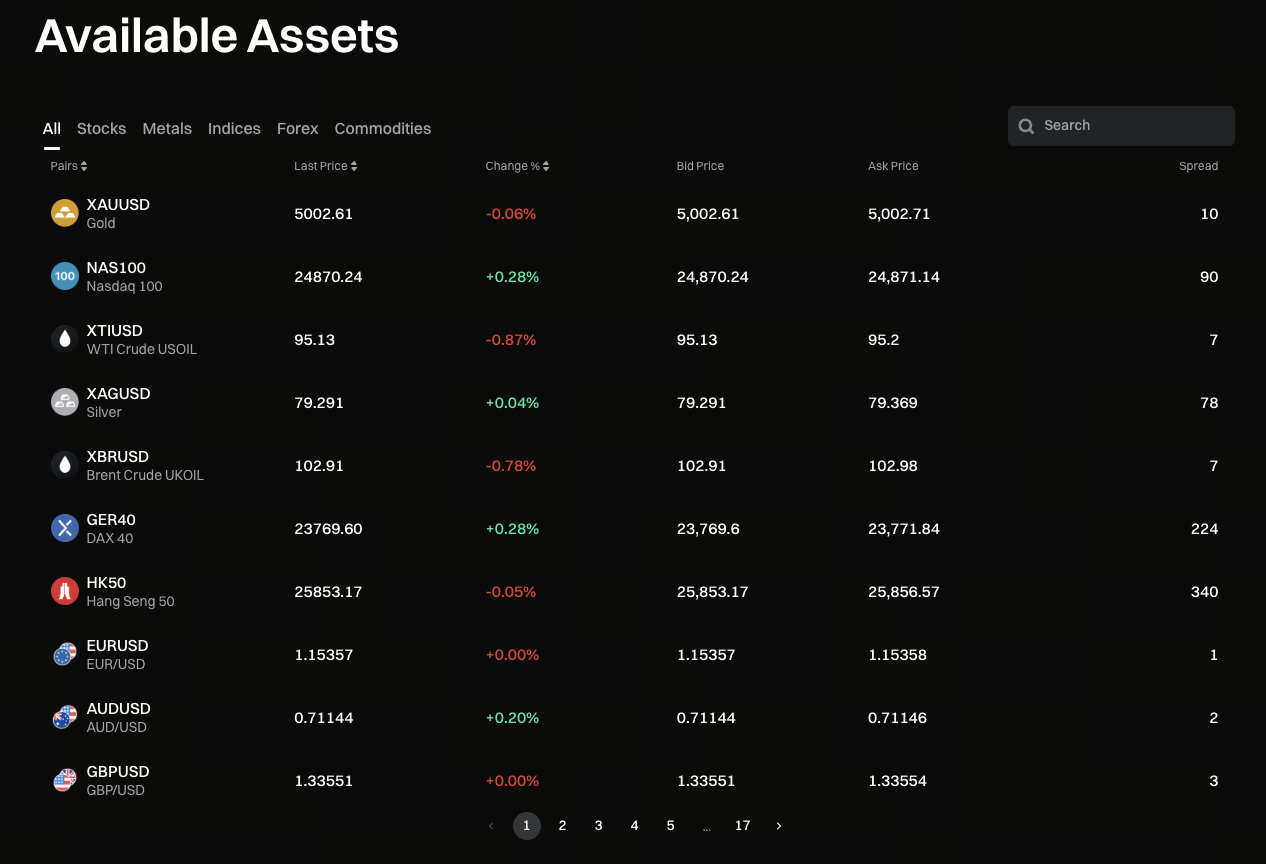 Image source: Gate TradFi page
The standout feature of this upgrade is the addition of multiple traditional financial asset pairs, broadening market coverage on Gate TradFi. Whether trading metals, forex, stock indices, or commodities, users can manage all assets within a single account for a more comprehensive investment strategy. Newly added assets include:
- Metals: Gold, silver, and other options for robust risk management
- Forex: Mainstream currency pairs, empowering users to trade global forex markets with flexibility
- Stock Indices: A range of global indices, ideal for investors seeking diversified portfolios
- Commodities: Including crude oil and Brent oil, addressing demand for commodity market exposure
Four-Tier Sliding Leverage: Flexible Control
To meet the distinct trading requirements of various asset classes, Gate TradFi has introduced a four-tier sliding leverage mechanism. Users can adjust leverage from 20x to 500x based on market conditions and individual risk preferences, streamlining risk and return management. This system delivers efficient capital utilization and greater flexibility for different trading strategies:
- Metals: Gold supports up to 500x leverage; silver up to 100x
- Stock Indices: Major indices like NAS100, US30, and US500 support up to 500x leverage
- Forex: Pairs such as EUR/USD and USD/JPY support up to 500x leverage
- Commodities: USOIL and UKOIL support up to 500x leverage
Boosted Strategy Execution, Optimized Capital Allocation
By integrating the new leverage system with a diversified asset portfolio, Gate TradFi increases users’ strategy execution efficiency. Whether deploying high-frequency trading, macro multi-asset hedging, or trend and swing strategies, users benefit from precise position management and capital allocation.
- Efficient Capital Utilization: The new system enables granular position adjustments, maximizing capital efficiency.
- Multi-Strategy Capability: Users can implement multiple strategies concurrently for flexible asset allocation.
Maximizing Trading Strategies with the New Mechanism
With multi-asset trading and the four-tier sliding leverage system, Gate TradFi users can adapt to market fluctuations and individual trading objectives with agility. Investors can seize market opportunities and enhance returns. For instance, stock index traders may leverage higher ratios to amplify gains, while metals or forex traders might opt for conservative strategies and adjust leverage levels as needed.
Risk Advisory: Prudent Position Management and Cautious Trading
While the new leverage system offers greater flexibility, it also increases exposure to risk. Leveraged trading carries heightened risk, and market volatility can lead to substantial losses. We advise users to manage positions carefully according to their risk tolerance and avoid excessive leverage.