Ceasefire Collapses, Narrative Escalates Rapidly
In April 2026, a brief period of calm quickly gave way to renewed tensions. A two-week ceasefire unraveled over key terms, showing signs of substantive breakdown within hours, and the Strait of Hormuz once again fell under a “de facto blockade.” Simultaneously, a concept previously confined to crypto community discussions—“Bitcoin transit fee”—suddenly became a real-world agenda item.
Reports from multiple sources indicate Iran is considering requiring oil tankers to pay transit fees in cryptocurrency (including BTC), a proposal that has rapidly drawn global market attention.
Crucially, this shift is taking place at the world’s most critical energy chokepoint.
Strait of Hormuz: The “Physical Anchor” of Global Energy and Finance
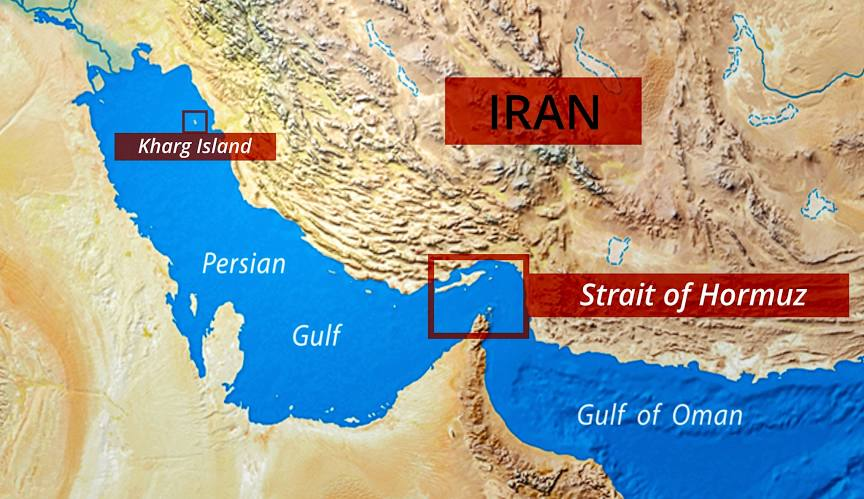
The Strait of Hormuz isn’t just any shipping lane—it acts as the global economy’s “physical settlement layer”:
- Handles roughly 20%–25% of global seaborne oil shipments
- Serves as the main gateway for Asia’s energy imports
- Any disruption directly impacts oil prices, inflation, and foreign exchange systems
The situation is already extreme:
- Shipping volume has plummeted to under 10% of normal
- More than 200 oil tankers are stranded
- Oil prices are once again nearing $100 per barrel
This means the “physical liquidity” of the global economy is now subject to artificial pricing.
“Bitcoin Transit Fee”: The Key Step from Rumor to Reality
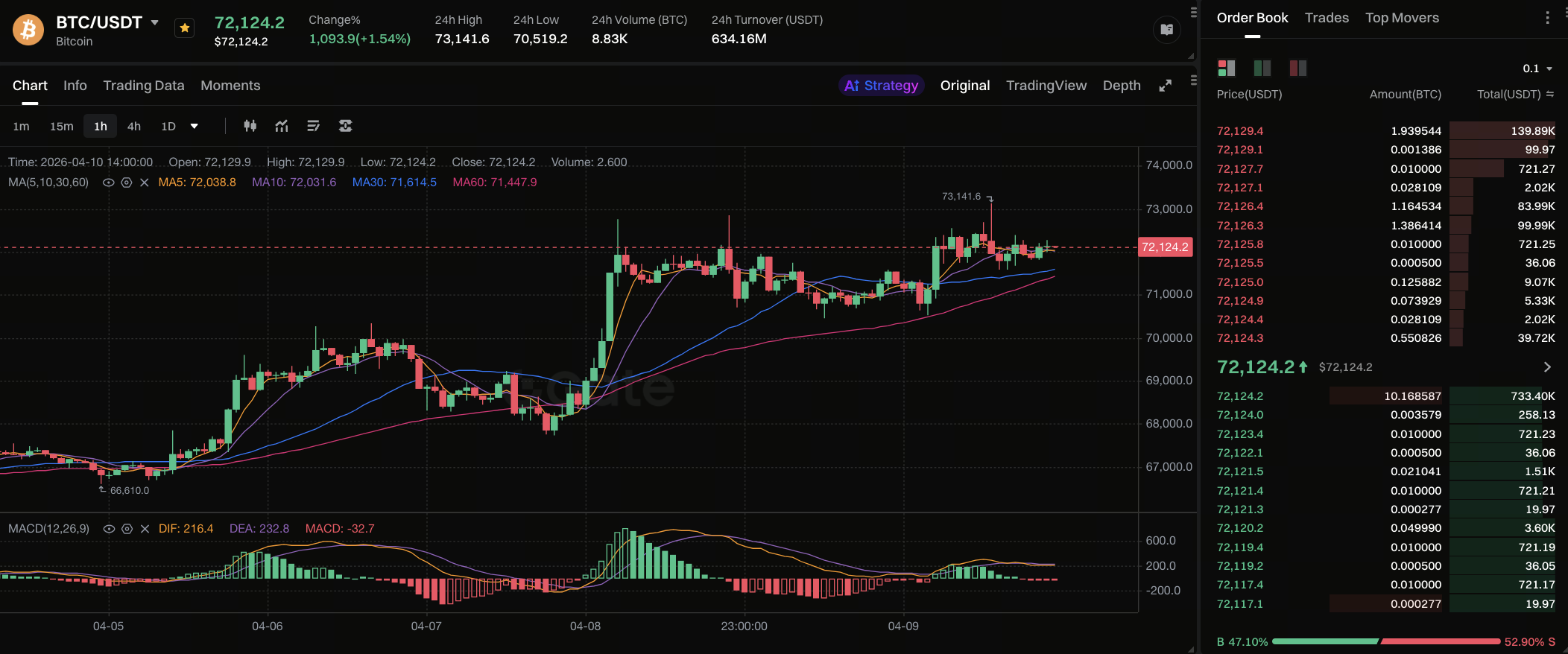
Image source: Gate Market Page
The real variable this time isn’t the blockade itself—it’s the change in how fees are collected.
Multiple reports suggest Iran is considering charging transit fees for oil tankers. If Iran charges $1 per barrel for an average daily volume of 18 million barrels, its theoretical daily revenue would be around $18 million; at a BTC price of $70,000–$71,000, this equates to roughly 250–280 BTC per day. For BTC, the core impact isn’t the absolute value but the pricing logic: short term, a powerful sentiment catalyst (spiking trading volume and volatility); medium term, it depends on whether sustained capital flows and institutional adoption follow; long term, it could create a “sovereign-grade settlement” premium. Without evidence of ongoing implementation, this bullish driver is likely to remain an event-driven phenomenon.
Bypassing the Dollar System
Under sanctions, the traditional SWIFT system is off-limits → Crypto becomes the “natural alternative.”
Enhancing Transaction Privacy
BTC’s censorship resistance → Allows some financial transactions to evade tracking
Forcing a “Neutral Settlement Layer”
If oil must settle in BTC → BTC shifts from an asset to “infrastructure”
That’s the crux of the “Bitcoin transit fee” narrative.
If Implemented, Four Positive Transmission Effects for Bitcoin
If a “per-barrel fee + Bitcoin settlement” becomes sustainable, BTC stands to benefit in four main ways:
- Asset status upgrade: BTC moves beyond an investment vehicle to become a settlement asset amid geopolitical strife.
- More sovereign adoption samples: Even at small scale, it fuels market expectations for long-term uptake.
- On-chain infrastructure boost: Rising demand for custody, settlement, and compliance modules strengthens network effects.
- Short-term risk appetite surge: Event-driven capital inflows propel trading volume and volatility.
The key—these tailwinds first drive narratives and risk appetite, and only later translate into fundamentals.
Five Critical Constraints: Regulation, Execution, and Liquidity Realities
The stronger the “sovereign adoption” story, the greater the pushback.
- Regulatory squeeze: If seen as sanctions evasion, global compliance scrutiny will tighten.
- Execution hurdles: Sovereign-level fee collection involves more than transfers—it requires identity verification, legal frameworks, and dispute resolution.
- Liquidity impact may be overstated: Theoretical revenue does not guarantee sustainable net buying.
- Price reflexivity: News-driven rallies are often followed by swift corrections when reality sets in.
- Macro overlay: If the dollar surges and real rates rise, no single theme can reverse a broader trend.
Bottom line: This is a “strong catalyst,” not a “macro-immune” panacea.
Layered Impact on BTC Price: Short-Term Catalyst, Medium-Term Validation, Long-Term Reassessment
Short Term (Days to Weeks)
Most likely outcomes:
- Volatility spikes
- Event-driven price surges
- Derivatives leverage amplifies swings
Medium Term (1–2 Quarters)
Three validation criteria must be met:
- Is the mechanism being executed consistently and can it be independently verified?
- Are ETF and institutional channels still seeing net inflows?
- Do USD and interest rates support risk asset appreciation?
Long Term (Annual Horizon)
Only if cases are replicable, auditable, and compliant will BTC earn a “sovereign settlement premium” and a structural revaluation.
Trading and Research Framework: How to Avoid Getting Whipsawed by Headlines
Use a “three-layer checklist”:
- Facts: Are there continuous, authoritative, and verifiable sources?
- Capital: Is there sustained on-chain and ETF capital resonance?
- Macro: Do USD, interest rates, and oil prices support risk asset upside?
In practice, two rules lower the odds of being wrong:
- Don’t let a single geopolitical headline define the medium-term trend
- Don’t equate theoretical conversion values with real net buying
Conclusion: A Strong Narrative Shock, Not a One-Variable Bull Market Switch
The “Bitcoin transit fee” debate is highly significant—it sits at the intersection of decentralization ideals and sovereign realities.
But ultimately, market pricing returns to verifiable facts: execution continuity, capital flow evidence, macro conditions, and regulatory stance.
A sounder conclusion:
- Short term: Narrative lifts sentiment and volatility
- Medium term: Liquidity and institutional flows still matter most
- Long term: Only sustained sovereign-grade settlement cases can structurally re-rate BTC’s valuation framework
This is not “one headline rewriting the bull/bear cycle”—it’s “a stress test that could reshape the long-term narrative.”







