Quantitative easing (QE) policies are facilitating large capital flows into the cryptocurrency market. However, this mechanism does not take effect immediately and requires time to realize its impact. When liquidity is injected into the financial system, investors’ risk appetite gradually increases. Over time, capital shifts more strongly toward risky assets, and thus, the overall effect of this policy is often felt in the long term.
In this context, the recent $15 billion bond buyback by the U.S. Federal Reserve (Fed) has triggered a strong reaction in the market. This is not only the largest buyback in history but also quickly sparked speculation among analysts about its potential impact on the cryptocurrency market.
 Source: TradingView (TOTAL/USDT) However, this buyback is only a small part of the Fed’s liquidity activities. According to reports from The Kobeissi Letter, the Fed’s balance sheet has expanded significantly, increasing by over $42 billion just in February. This is part of the Fed’s ongoing plan to purchase approximately $40 billion in government bonds each month, expected to continue until mid-April this year.
Nevertheless, from a technical perspective, this liquidity has not yet generated significant upward price movements in risky assets. Data shows that the total cryptocurrency market capitalization decreased by 13.14% in February, marking the worst performance in the first quarter so far.
However, as Coinphoton notes, the impact of monetary easing policies often takes time to permeate markets. In this context, can the recent buybacks lay the groundwork for a long-term growth trend of capital inflows into the cryptocurrency market?
Positive Liquidity Signals Bring Hope
The U.S. Federal Reserve typically implements quantitative easing when the economy shows signs of weakening. However, the current situation remains complex.
Oil prices have risen over 24% in the past month, mainly due to escalating tensions in the Middle East, leading to a supply shock globally and raising concerns about long-term inflation. In this environment, expectations for continued Fed easing may still be premature. However, The Kobeissi Letter points out that oil prices have fallen 16% from recent highs, indicating that the market is gradually “discounting” geopolitical risks and the economic impacts of the conflict may be diminishing.
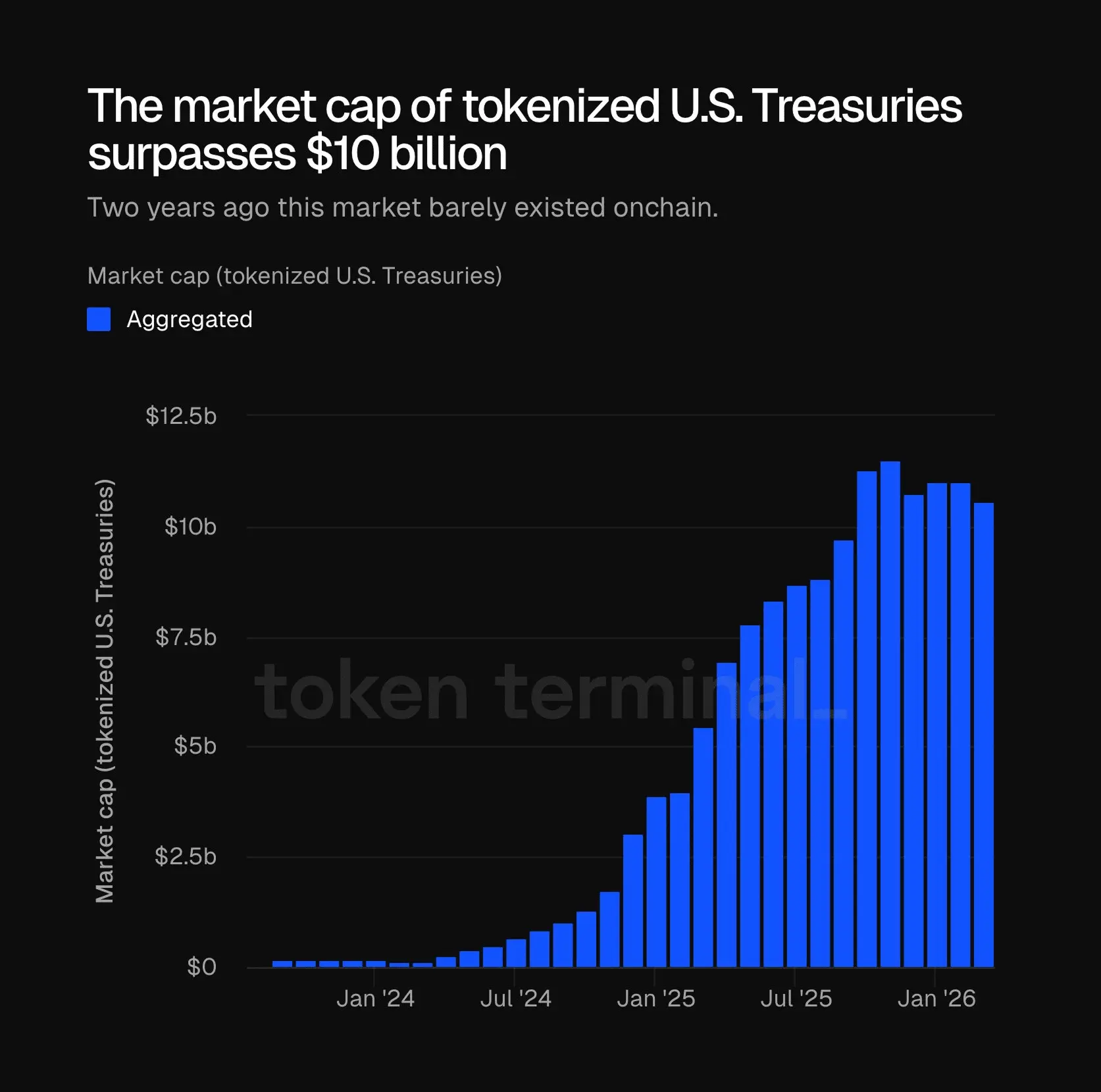 Source: Token Terminal Simultaneously, according to reports from Token Terminal, the value of U.S. government bonds tokenized on the blockchain has reached $10 billion. This indicates that capital is beginning to shift into real-world assets (RWA) that are tokenized, as investors prepare for changes in the macroeconomic landscape.
Overall, the decline in geopolitical risks combined with increased allocation of funds into tokenized bonds signals improving liquidity conditions. This could lay the foundation for larger capital flows into the cryptocurrency market in the future.
In this context, the $15 billion liquidity injection from the Fed is not just an isolated move. Instead, it may be an early sign that macroeconomic tensions are easing, paving the way for long-term capital flows into the cryptocurrency market and supporting long-term growth prospects.
Mr. Giáo
Disclaimer: The information on this page may come from third parties and does not represent the views or opinions of Gate. The content displayed on this page is for reference only and does not constitute any financial, investment, or legal advice. Gate does not guarantee the accuracy or completeness of the information and shall not be liable for any losses arising from the use of this information. Virtual asset investments carry high risks and are subject to significant price volatility. You may lose all of your invested principal. Please fully understand the relevant risks and make prudent decisions based on your own financial situation and risk tolerance. For details, please refer to
Disclaimer.


