

Trade
Basic
Futures
Futures
Hundreds of contracts settled in USDT or BTC
Options
HOT
Trade European-style vanilla options
Unified Account
Maximize your capital efficiency
Demo Trading
Futures Kickoff
Get prepared for your futures trading
Futures Events
Participate in events to win generous rewards
Demo Trading
Use virtual funds to experience risk-free trading
Earn
Launch
CandyDrop
Collect candies to earn airdrops
Launchpool
Quick staking, earn potential new tokens
HODLer Airdrop
Hold GT and get massive airdrops for free
Launchpad
Be early to the next big token project
Alpha Points
NEW
Trade on-chain assets and enjoy airdrop rewards!
Futures Points
NEW
Earn futures points and claim airdrop rewards
Investment
Simple Earn
Earn interests with idle tokens
Auto-Invest
Auto-invest on a regular basis
Dual Investment
Buy low and sell high to take profits from price fluctuations
Soft Staking
Earn rewards with flexible staking
Crypto Loan
0 Fees
Pledge one crypto to borrow another
Lending Center
One-stop lending hub
VIP Wealth Hub
Customized wealth management empowers your assets growth
Private Wealth Management
Customized asset management to grow your digital assets
Quant Fund
Top asset management team helps you profit without hassle
Staking
Stake cryptos to earn in PoS products
Smart Leverage
NEW
No forced liquidation before maturity, worry-free leveraged gains
GUSD Minting
Use USDT/USDC to mint GUSD for treasury-level yields

More


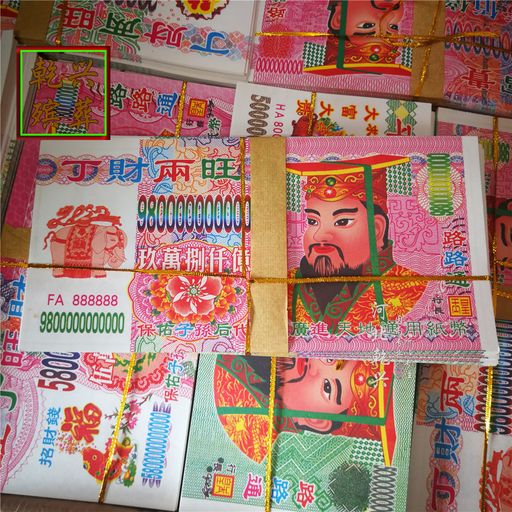




Virtual currency scam teams illegally raise 17 million per year, with cash piled up at home like a mountain
A virtual currency scam gang led by professionals in finance and accounting set up multiple fake trading platforms within less than a year, swindling victims out of 17 million yuan. When the police cracked the case, they found piles of cash in their residences—money earned through victims’ blood, sweat, and tears.
From Victims to Perpetrators
The main characters of the case, Hu and his girlfriend Qianqian, were originally ordinary office workers. Hu graduated from a finance major at a university in Sichuan. After years of struggling in the city, he accumulated over 200,000 yuan in savings, planning to purchase property. However, he discovered a virtual currency trading website online and hoped to increase his wealth through investment.
This “investment opportunity” ultimately became his nightmare. Hu initially invested 3,000 yuan to test the waters and received a 500 yuan return. Without hesitation, he then invested all 200,000 yuan. When he tried to withdraw his funds, he realized he had been deceived and had fallen into a typical virtual currency scam trap.
Even more bizarre, Hu did not choose to report to the police. Instead, he decided to “fight fire with fire.” He transformed his scam experience into a “business opportunity” and decided to personally manipulate virtual currency scams. His girlfriend Qianqian, upon learning of the plan, not only did not oppose but actively joined him. The two of them teamed up to launch a large-scale scam operation.
Professional Scam Techniques
As “high-achieving students” with a background in finance and accounting, Hu and Qianqian possessed technical advantages. They recruited more than 20 scam members to form a team, with clear divisions of labor—some responsible for creating fake websites, others for publicity and promotion, and some impersonating profit-makers to tell false “investment experiences” on investment forums, attracting continuous capital input from victims.
Their tactics were extremely mature: they first provided small, stable returns to build victims’ confidence, then after reaching the expected investment size, they would shut down the platform and transfer the funds. Afterwards, they registered new websites to repeat the same scam process. This “one platform one scam” model allowed their fraudulent activities to continue, with increasing victims.
Shocking Scale of the Scam
In just one year, this scam gang illegally profited 17 million yuan through multiple fake virtual currency trading platforms. Hu and Qianqian shared over 7 million yuan of this illicit gain, which they used to purchase luxury houses and live extravagantly.
What’s more infuriating is that the sources of their stolen money were diverse—some victims invested their life savings for retirement, some used funds intended for house down payments, and others even used money from terminally ill patients seeking life-saving treatment. Behind every stolen yuan is a family’s despair.
Justice Will Prevail
Although Hu’s team used sophisticated technical methods to conceal their identities, increasing reports from victims prompted police investigation. Through professional technical tracking and comprehensive investigation, law enforcement finally identified Hu, Qianqian, and 22 other team members.
When police raided their residences, they found large stacks of cash. These coldly piled bills in the rooms represented the blood, tears, and shattered lives of countless victims.
Warning: The Cost of Crypto Scams
This case serves as a stark reminder that scams in the virtual currency field are emerging in endless forms. Scammers with professional knowledge are often more convincing, exploiting victims’ unfamiliarity with financial investments to carry out precise frauds. The choice to go from victim to perpetrator will ultimately lead to more severe legal consequences.
Hu and others involved have committed crimes involving a particularly large amount of money, constituting the most serious circumstances of fraud. They will face strict legal sanctions. This lesson should prompt everyone involved in virtual currency investments to reflect deeply—there are no free lunches, and being vigilant against crypto scams is the best way to protect oneself.