


Futures
Hundreds of contracts settled in USDT or BTC
TradFi
Gold
One platform for global traditional assets
Options
Hot
Trade European-style vanilla options
Unified Account
Maximize your capital efficiency
Demo Trading
Futures Kickoff
Get prepared for your futures trading
Futures Events
Join events to earn rewards
Demo Trading
Use virtual funds to experience risk-free trading
Launch
CandyDrop
Collect candies to earn airdrops
Launchpool
Quick staking, earn potential new tokens
HODLer Airdrop
Hold GT and get massive airdrops for free
Launchpad
Be early to the next big token project
Alpha Points
Trade on-chain assets and earn airdrops
Futures Points
Earn futures points and claim airdrop rewards






#BOME
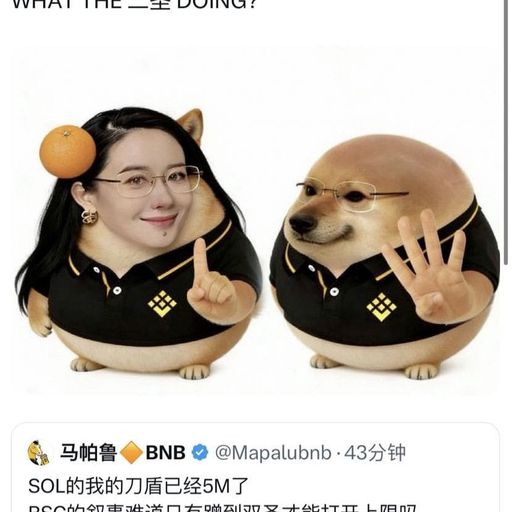
When I first heard about Book of Meme (BOME), I thought it was just another meme token fun but fleeting. Over time, however, I learned that BOME represents something far more interesting: the intersection of meme culture and blockchain innovation, a space where creativity, community, and digital value converge.
Unlike traditional meme coins that rely purely on hype, BOME is designed to be the native currency of the Book of Meme ecosystem, built on the Solana blockchain known for its high speed and low fees. The project’s core mission is to preserve the history of memes forever by using decentralized storage technologies, including IPFS and Arweave, ensuring that internet culture is archived immutably rather than disappearing into the digital noise.
The idea behind #BOME began with a simple yet powerful concept: memes are more than jokes they are a form of digital expression and social commentary that define generations. But memes are ephemeral; they appear and vanish quickly. The Book of Meme project flips this dynamic by creating a permanent, decentralized repository for memes and giving the community the power to create, share, and even monetize these creations.
At launch, BOME’s tokenomics captured both attention and controversy 69 billion tokens were created, with distribution aimed at liquidity, community engagement, and ecosystem growth. A significant portion was allocated through presale, a big chunk reserved for liquidity pools, and a community fund set aside to support ongoing development and rewards.
What makes the BOME experiment stand out is not just the token supply or the catchy name, but the ecosystem surrounding it. The Book of Meme platform includes meme creation tools, meme clip archives, and plans for a decentralized social environment where users can interact without censorship. This vision positions BOME not simply as a tradable asset, but as a cultural token that lives at the heart of internet art and community engagement.
BOME’s early market traction was explosive the token saw rapid adoption, momentarily reaching a multibillion‑dollar market cap and listing on major exchanges such as Binance, Gate, and Bybit. This demonstrates how community enthusiasm and viral momentum can propel a meme coin into mainstream visibility within hours of launch.
However, as with many experimental memecoins, BOME’s journey hasn’t been without volatility. Price fluctuations, rapid pump‑and‑dump cycles, and the speculative nature of meme markets mean that risk remains high. Traders and holders must balance excitement with caution, always doing their own research before making trading decisions.
Yet beyond price charts and speculation, #BOME represents a broader cultural shift in Web3 one where digital humor and social commentary are elevated to on‑chain assets, permanently archived for posterity. The idea of immortalizing internet culture in a decentralized ledger is ambitious, perhaps controversial, but undeniably creative.
As the Book of Meme ecosystem evolves, its core question remains: Can a token built around humor and community become a lasting cultural artifact? Whether BOME becomes a long‑term staple of Web3 meme culture or remains a speculative experiment, its existence challenges how we think about value, art, and digital history in the blockchain era.
📌 In essence, #BOME isn’t just a meme coin it’s a statement about culture, decentralization, and the enduring power of internet creativity.