

Trade
Basic
Futures
Futures
Hundreds of contracts settled in USDT or BTC
Options
HOT
Trade European-style vanilla options
Unified Account
Maximize your capital efficiency
Demo Trading
Futures Kickoff
Get prepared for your futures trading
Futures Events
Participate in events to win generous rewards
Demo Trading
Use virtual funds to experience risk-free trading
Earn
Launch
CandyDrop
Collect candies to earn airdrops
Launchpool
Quick staking, earn potential new tokens
HODLer Airdrop
Hold GT and get massive airdrops for free
Launchpad
Be early to the next big token project
Alpha Points
NEW
Trade on-chain assets and enjoy airdrop rewards!
Futures Points
NEW
Earn futures points and claim airdrop rewards
Investment
Simple Earn
Earn interests with idle tokens
Auto-Invest
Auto-invest on a regular basis
Dual Investment
Buy low and sell high to take profits from price fluctuations
Soft Staking
Earn rewards with flexible staking
Crypto Loan
0 Fees
Pledge one crypto to borrow another
Lending Center
One-stop lending hub
VIP Wealth Hub
Customized wealth management empowers your assets growth
Private Wealth Management
Customized asset management to grow your digital assets
Quant Fund
Top asset management team helps you profit without hassle
Staking
Stake cryptos to earn in PoS products
Smart Leverage
NEW
No forced liquidation before maturity, worry-free leveraged gains
GUSD Minting
Use USDT/USDC to mint GUSD for treasury-level yields

More

Trending Topics
View More5.9K Popularity
9.97K Popularity
27.15K Popularity
11.95K Popularity
148.77K Popularity



Pin
Understanding Commodities in the Global Market
How Commodities Work
Commodities represent essential products circulating through the global economy, from resources extracted from the earth to agricultural harvests. Unlike goods purchased in stores, these commodities move through large-scale commercial channels. Their trading mainly occurs via financial instruments such as futures contracts, where participants set a price today for delivery at a future date.
Two Main Categories
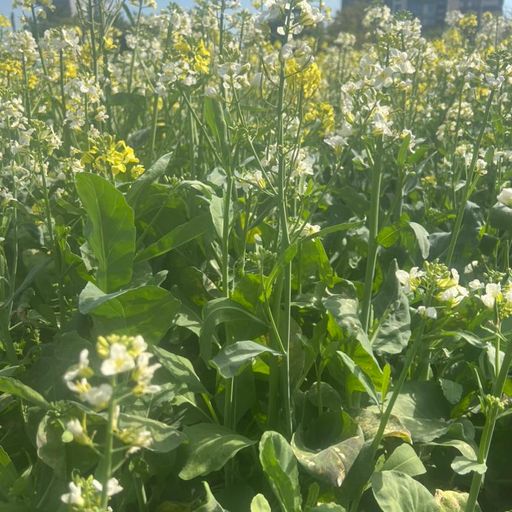
The segmentation of commodities follows a clear logic: hard commodities include resources that require mining or extraction from the natural environment (gold, oil, precious metals), while soft commodities originate from agricultural and livestock production (grains, oilseeds, animal protein).
Practical Trading Examples
Energy Sector (Hard Commodities)
Crude oil and natural gas dominate this segment, fueling industries worldwide.
Metals and Ores (Hard Commodities)
Gold, silver, copper, and aluminum form the basis of industrial and technological production.
Agricultural Products (Soft Commodities)
Sugar, corn, and coffee represent the main commodities in agriculture, with constant demand in international markets.
Livestock (Soft Commodities)
Cattle, milk, and beef form the protein chain that supplies global trade.
Understanding these categories facilitates tracking commodity movements in financial markets.