

Trade
Basic
Futures
Futures
Hundreds of contracts settled in USDT or BTC
TradFi
Gold
Trade global traditional assets with USDT in one place
Options
Hot
Trade European-style vanilla options
Unified Account
Maximize your capital efficiency
Demo Trading
Futures Kickoff
Get prepared for your futures trading
Futures Events
Participate in events to win generous rewards
Demo Trading
Use virtual funds to experience risk-free trading
Earn
Launch
CandyDrop
Collect candies to earn airdrops
Launchpool
Quick staking, earn potential new tokens
HODLer Airdrop
Hold GT and get massive airdrops for free
Launchpad
Be early to the next big token project
Alpha Points
Trade on-chain assets and enjoy airdrop rewards!
Futures Points
Earn futures points and claim airdrop rewards
Investment
Simple Earn
Earn interests with idle tokens
Auto-Invest
Auto-invest on a regular basis
Dual Investment
Buy low and sell high to take profits from price fluctuations
Soft Staking
Earn rewards with flexible staking
Crypto Loan
0 Fees
Pledge one crypto to borrow another
Lending Center
One-stop lending hub
VIP Wealth Hub
Customized wealth management empowers your assets growth
Private Wealth Management
Customized asset management to grow your digital assets
Quant Fund
Top asset management team helps you profit without hassle
Staking
Stake cryptos to earn in PoS products
Smart Leverage
New
No forced liquidation before maturity, worry-free leveraged gains
GUSD Minting
Use USDT/USDC to mint GUSD for treasury-level yields

More


Trending Topics
View More76.1K Popularity
4.32K Popularity
1.62K Popularity
2.27K Popularity
6.02K Popularity



Pin
The most volatile cryptocurrencies in the market: what to know
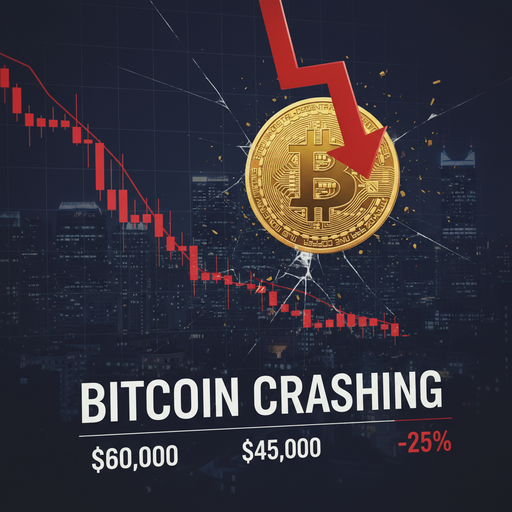
In the cryptocurrency landscape, some assets exhibit particularly extreme price fluctuations. Knowing the most volatile cryptocurrencies can help traders identify profit opportunities but also involves significant risks. Recent data reveal that volatility is driven by multiple factors: from speculation to social media trends, technical issues, and regulatory constraints.
Meme coins and innovative blockchains among the most volatile
Meme coins remain among the most volatile cryptocurrencies in the market. Dogecoin (DOGE) and Shiba Inu (SHIB) exemplify this category, with extreme swings driven by social media virality and mass speculation. They are not exceptions: both coins have shown that online popularity can greatly amplify price movements.
Beyond meme coins, blockchains like Solana (SOL) also exhibit high volatility despite their innovative nature. Solana faces periodic technical challenges that create uncertainty among investors, fueling fluctuations. Ethereum (ETH), the second-largest cryptocurrency by market cap, is not immune: continuous protocol updates and the perpetual flow of speculation keep SOL and ETH among the most volatile assets.
Specialized projects with high volatility
Other more volatile cryptocurrencies focus on specific niches. Tectum (TET) aims for high transaction speeds and blockchain innovation, but limited liquidity or adoption generate instability. Ripple (XRP), dedicated to cross-border payments, faces ongoing regulatory hurdles that cause sharp price movements. XDC Network (XDC), oriented toward trade finance, suffers from low liquidity, reflected in heightened volatility.
Verge (XVG) and Quant (QNT) are other expressions of volatility. Verge, a privacy-focused coin, has faced security issues that fueled caution and oscillations. Quant, which aims to connect different blockchain networks, exhibits a speculative nature that causes fluctuations. DigiByte (DGB), an older blockchain, currently faces reduced trading activity, paradoxically increasing relative volatility.
The mechanisms behind the volatility of the most volatile cryptocurrencies
Volatility does not emerge randomly. Speculation, viral trends, technical developments, and regulations are the main drivers. When negative regulatory news hits XRP or technical problems affect SOL, traders accelerate selling, amplifying movements. Similarly, a positive tweet about DOGE or SHIB can trigger sudden rallies.
For those seeking high-risk opportunities, understanding the most volatile cryptocurrencies becomes essential. However, this volatility entails extreme risks: inexperienced investors risk significant losses. Constant monitoring, diversification, and awareness of risk factors remain fundamental tools for navigating trading in the most volatile crypto assets.