

Trade
Basic
Futures
Futures
Hundreds of contracts settled in USDT or BTC
TradFi
Gold
Trade global traditional assets with USDT in one place
Options
Hot
Trade European-style vanilla options
Unified Account
Maximize your capital efficiency
Demo Trading
Futures Kickoff
Get prepared for your futures trading
Futures Events
Participate in events to win generous rewards
Demo Trading
Use virtual funds to experience risk-free trading
Earn
Launch
CandyDrop
Collect candies to earn airdrops
Launchpool
Quick staking, earn potential new tokens
HODLer Airdrop
Hold GT and get massive airdrops for free
Launchpad
Be early to the next big token project
Alpha Points
Trade on-chain assets and enjoy airdrop rewards!
Futures Points
Earn futures points and claim airdrop rewards
Investment
Simple Earn
Earn interests with idle tokens
Auto-Invest
Auto-invest on a regular basis
Dual Investment
Buy low and sell high to take profits from price fluctuations
Soft Staking
Earn rewards with flexible staking
Crypto Loan
0 Fees
Pledge one crypto to borrow another
Lending Center
One-stop lending hub
VIP Wealth Hub
Customized wealth management empowers your assets growth
Private Wealth Management
Customized asset management to grow your digital assets
Quant Fund
Top asset management team helps you profit without hassle
Staking
Stake cryptos to earn in PoS products
Smart Leverage
New
No forced liquidation before maturity, worry-free leveraged gains
GUSD Minting
Use USDT/USDC to mint GUSD for treasury-level yields

More



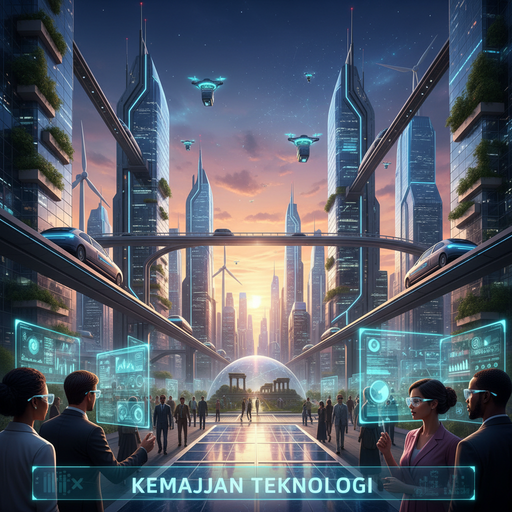
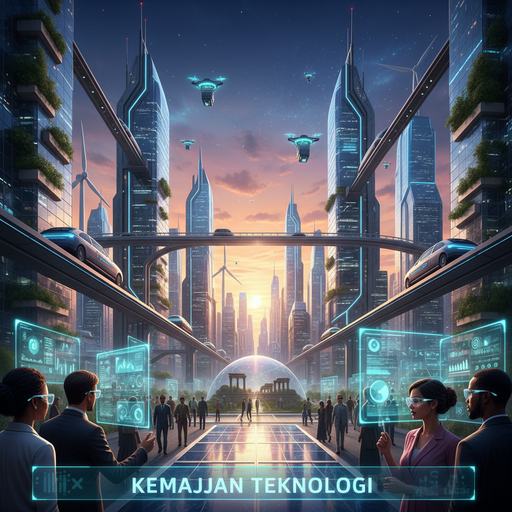


Super Micro Computer Demonstrates Significant Traction in AI Infrastructure and DCBBS Solutions
Super Micro Computer (SMCI) has reported its fiscal 2026 second-quarter results on February 3, 2026, with investors closely examining the company’s momentum in AI server platforms and its Data Center Building Block Solutions (DCBBS). The company’s traction in these areas, powered by robust demand for NVIDIA Blackwell/B300 GPU architectures and hyperscale customer expansion, points to accelerating growth in the data center infrastructure sector.
Building Momentum Through AI-GPU Platform Expansion
SMCI has been aggressively scaling its operational capacity to capitalize on surging AI infrastructure demand. The company expanded its internal power infrastructure to 52 megawatts during fiscal 2026’s first quarter, positioning itself to meet the unprecedented computing requirements of large-scale AI training and enterprise inference workloads. The company is on track to achieve 6,000 racks per month capacity by the end of fiscal 2026, with 3,000 of those featuring direct liquid cooling technology—a critical innovation for managing thermal loads in power-intensive AI environments.
This scaling initiative reflects traction in SMCI’s rack scale compute architecture, which has become the platform of choice for enterprise AI applications spanning large-scale model training, visualization, content delivery, and edge computing scenarios. The quarter-over-quarter capacity expansion underscores the company’s ability to translate market demand into operational execution.
Direct Liquid Cooling and DCBBS Drive Competitive Traction
SMCI’s Data Center Building Block Solutions (DCBBS) represent a significant competitive differentiator in the current market environment. The company’s leadership in direct liquid cooling technology—essential for optimizing power efficiency in data centers—has generated notable traction among hyperscale operators seeking to balance performance with operational sustainability.
The DCBBS portfolio combines customizable infrastructure components with thermal management innovations, positioning SMCI ahead of competitors in the high-margin solutions segment. This product traction has been particularly valuable as major customers demand integrated solutions that reduce deployment complexity and total cost of ownership.
Server Business Recovery Gains Traction After Q1 Challenges
SMCI’s server and storage division faced headwinds in fiscal 2026’s first quarter due to system delivery delays caused by customer configuration changes and data center readiness postponements. Additionally, competitive pricing pressures—as SMCI maintained market share against rivals—temporarily compressed margins. However, these challenges were largely non-recurring in nature.
The second quarter demonstrated recovery traction, with delayed orders from Q1 converting to revenue and the company returning to normal operational rhythm. Server and storage revenues had achieved strong 50.2% year-over-year growth in fiscal 2025, and this trajectory began reasserting itself in Q2 as operational headwinds cleared.
New Markets Accelerate Growth Traction in Client and Edge Computing
Beyond traditional data center infrastructure, SMCI announced its entry into the client, edge, and consumer computing markets. Leveraging its proprietary expertise in AI-optimized server architecture, GPU integration, and energy-efficient system design, the company is developing compact yet powerful solutions for personal computing, edge AI deployments, and embedded systems applications.
This market expansion represents significant traction opportunity, supported by the company’s ambitious fiscal 2026 revenue projection of $36 billion—representing 64% year-over-year growth. The diversification into adjacent segments reduces dependency on hyperscale data center customers and opens new revenue channels where SMCI’s technical capabilities command premium positioning.
Managing Growth Challenges While Maintaining Market Traction
Despite strong operational momentum, SMCI faces material headwinds requiring management attention. Inventory levels surged to $5.7 billion by the end of Q1 fiscal 2026, up substantially from $4.7 billion in the prior quarter, reflecting the company’s rapid capacity expansion to meet AI-driven demand. This inventory accumulation has extended the cash conversion cycle from 96 days to 123 days, straining working capital efficiency.
Additionally, customer concentration risk and margin pressures from major deals have created cash flow challenges. SMCI reported negative free cash flow of $950 million in fiscal 2026’s first quarter, driven by higher receivables from large customer commitments. These factors suggest that despite strong revenue traction, operational profitability and cash generation require careful management through the remainder of fiscal 2026.
The broader challenge remains executing the company’s aggressive scaling strategy while optimizing working capital and maintaining pricing discipline—a balance that will determine whether near-term growth traction translates into sustainable long-term shareholder value.