

Trade
Basic
Futures
Futures
Hundreds of contracts settled in USDT or BTC
TradFi
Gold
Trade global traditional assets with USDT in one place
Options
Hot
Trade European-style vanilla options
Unified Account
Maximize your capital efficiency
Demo Trading
Futures Kickoff
Get prepared for your futures trading
Futures Events
Participate in events to win generous rewards
Demo Trading
Use virtual funds to experience risk-free trading
Earn
Launch
CandyDrop
Collect candies to earn airdrops
Launchpool
Quick staking, earn potential new tokens
HODLer Airdrop
Hold GT and get massive airdrops for free
Launchpad
Be early to the next big token project
Alpha Points
Trade on-chain assets and enjoy airdrop rewards!
Futures Points
Earn futures points and claim airdrop rewards
Investment
Simple Earn
Earn interests with idle tokens
Auto-Invest
Auto-invest on a regular basis
Dual Investment
Buy low and sell high to take profits from price fluctuations
Soft Staking
Earn rewards with flexible staking
Crypto Loan
0 Fees
Pledge one crypto to borrow another
Lending Center
One-stop lending hub
VIP Wealth Hub
Customized wealth management empowers your assets growth
Private Wealth Management
Customized asset management to grow your digital assets
Quant Fund
Top asset management team helps you profit without hassle
Staking
Stake cryptos to earn in PoS products
Smart Leverage
New
No forced liquidation before maturity, worry-free leveraged gains
GUSD Minting
Use USDT/USDC to mint GUSD for treasury-level yields

More


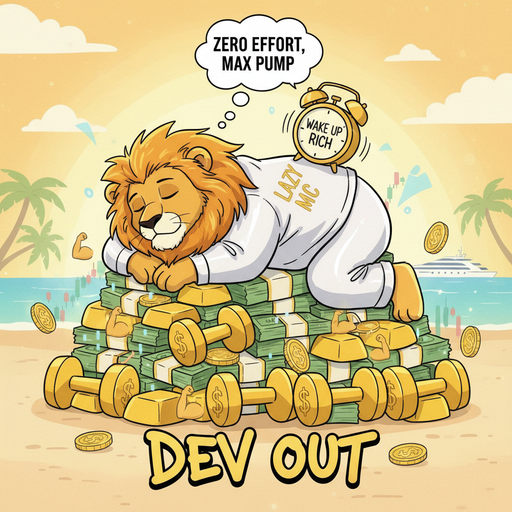



Cryptocurrency Bubbles: Challenges and Opportunities in the Modern Market
Cryptocurrency bubbles have long been a symbol of uncertainty in digital assets. However, behind this phenomenon lies a much more complex history of financial technology development and market maturity. When people talk about bubbles in the crypto space, they refer to periods of speculative overheating, when asset prices detach from their fundamental value, creating conditions for subsequent correction. This phenomenon, reminiscent of classic financial crashes of the past—from the Dutch tulip mania of the 17th century to the dot-com bubble of the late 1990s—has become an integral part of cryptocurrency history.
How Cryptocurrency Bubbles Have Formed: A Historical Analysis
The history of bubbles in the crypto world begins with Bitcoin’s explosive growth in 2017. This period was characterized by unprecedented retail investor interest and media attention. In December 2017, Bitcoin first approached the $20,000 mark, creating an atmosphere of urgency and fear of missing out. However, this peak marked a turning point: it was followed by a sharp decline, and throughout 2018, the price fell more than 80%, dropping to around $3,000.
This event did not go unnoticed by analysts and investors. Parallels with historical financial crashes were evident: just as the tulip mania of the 17th century or the dot-com crash, the Bitcoin market exhibited classic signs of a speculative bubble—explosive growth, peak interest, and subsequent collapse.
Volatility and Risks: What Lies Behind Bubbles
The volatility of the cryptocurrency market is a primary reason for bubble formation. These sharp price fluctuations pose serious risks to inexperienced investors, who may invest significant funds during peaks and suffer catastrophic losses during corrections. The events of 2018 vividly demonstrated this.
However, it is important to understand that volatility is not just a problem but also a signal of market development. Every bubble, no matter how painful, serves as a lesson for market participants. Institutional investors, regulators, and platforms themselves are beginning to develop risk management mechanisms to prevent similar situations in the future.
From Threats to Tools: The Evolution of the Cryptocurrency Market
In recent years, the crypto market has undergone significant transformation. The emergence of stablecoins—cryptocurrencies pegged to stable assets—showed that the industry is actively seeking solutions to combat volatility. This was a direct response to concerns related to bubbles.
Even more significant was the rise of decentralized finance (DeFi) and non-fungible tokens (NFTs). These innovations expanded the functionality of blockchain and crypto assets, shifting them from mere speculative tools to areas of real technological application. Concurrently, institutional adoption of cryptocurrencies increased: major investment funds, corporate treasuries, and even countries began to view Bitcoin and other digital assets as serious components of their portfolios.
These changes fundamentally redefined the nature of crypto bubbles. If previously they resulted from pure speculation and lack of regulation, now the market has greater maturity and tools to absorb shocks.
Risk Management in the Era of Bubbles
Modern platforms recognize the critical importance of investor education and risk management. Users have access to detailed analysis of crypto assets, volatility data, and tools for portfolio diversification. Transparency has become a key requirement, enabling market participants to make informed decisions.
Instead of viewing bubbles as an inevitable evil, the modern approach focuses on minimizing their impact through awareness, technological solutions, and stricter regulation. Stablecoins, risk management systems on decentralized platforms, and insurance protocols are all part of a more mature ecosystem.
Outlook: From Bubbles to Stability
Although the term “cryptocurrency bubbles” still evokes concern, it no longer fully reflects the current state of the market. History shows that each bubble was followed by significant technological advancement and increased risk awareness. Blockchain technology continues to evolve, finding new applications—from smart contracts to supply chains.
The future of cryptocurrencies does not depend on the absence of bubbles but on the ability of the market and its participants to learn lessons and adapt. The crash of 2018 led to better infrastructure, a more educated investor community, and a more serious approach from projects and platforms alike. Cryptocurrency bubbles are not the end of the story but its evolution, where technology and markets gradually mature together.