

Trade
Basic
Futures
Futures
Hundreds of contracts settled in USDT or BTC
TradFi
Gold
Trade global traditional assets with USDT in one place
Options
Hot
Trade European-style vanilla options
Unified Account
Maximize your capital efficiency
Demo Trading
Futures Kickoff
Get prepared for your futures trading
Futures Events
Participate in events to win generous rewards
Demo Trading
Use virtual funds to experience risk-free trading
Earn
Launch
CandyDrop
Collect candies to earn airdrops
Launchpool
Quick staking, earn potential new tokens
HODLer Airdrop
Hold GT and get massive airdrops for free
Launchpad
Be early to the next big token project
Alpha Points
Trade on-chain assets and enjoy airdrop rewards!
Futures Points
Earn futures points and claim airdrop rewards
Investment
Simple Earn
Earn interests with idle tokens
Auto-Invest
Auto-invest on a regular basis
Dual Investment
Buy low and sell high to take profits from price fluctuations
Soft Staking
Earn rewards with flexible staking
Crypto Loan
0 Fees
Pledge one crypto to borrow another
Lending Center
One-stop lending hub
VIP Wealth Hub
Customized wealth management empowers your assets growth
Private Wealth Management
Customized asset management to grow your digital assets
Quant Fund
Top asset management team helps you profit without hassle
Staking
Stake cryptos to earn in PoS products
Smart Leverage
New
No forced liquidation before maturity, worry-free leveraged gains
GUSD Minting
Use USDT/USDC to mint GUSD for treasury-level yields

More


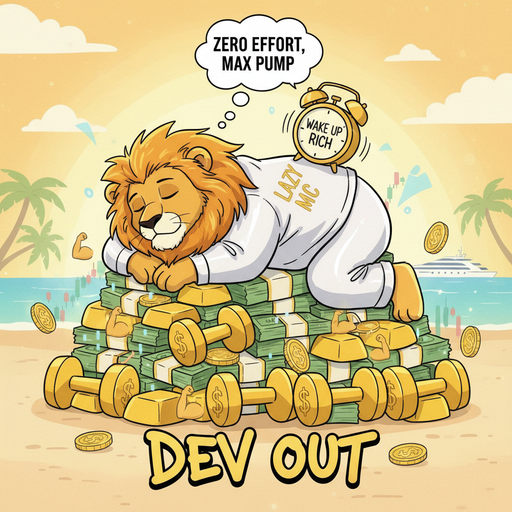


WAGMI definition: the collective optimism of the crypto community
What is WAGMI? This seemingly simple acronym actually deeply reflects the core spirit of the crypto community. WAGMI stands for the English phrase “We’re All Going to Make It,” and is one of the most iconic cultural symbols in the digital finance space. It is far more than just a slogan; it is a belief system representing investors and tech enthusiasts’ firm conviction in collective prosperity.
The True Meaning Behind WAGMI
To fully understand the definition of WAGMI, one must go beyond its literal meaning. WAGMI not only expresses the simple promise “we will all succeed,” but more importantly, it embodies community values—maintaining confidence amid market volatility, encouraging each other through setbacks, and seeking common goals amid uncertainty. This term combines three key elements: optimism about the future, faith in collective strength, and a desire for shared success.
The formation of the WAGMI definition reflects the unique way the crypto community operates. Unlike traditional finance, the crypto market is composed of dispersed individuals and organizations connected through shared values rather than central institutions. WAGMI is the most vivid expression of this intangible connection, turning strangers into like-minded companions.
How Crypto Traders Use WAGMI in Practice
In daily trading and investing, WAGMI is used in various ways. When the market declines, community members remind each other “WAGMI” to boost morale; when new projects launch, supporters use WAGMI to express confidence in the shared outlook; on social media, WAGMI has become a rallying cry that helps retail investors feel they are not alone.
In marketing and promotion, many new projects heavily incorporate the concept of WAGMI during token launches (ICOs) and initial phases, emphasizing that all participants will benefit from the project’s success. This collective marketing approach often resonates more deeply than cold data and promises. WAGMI provides project teams with a powerful narrative framework to quickly build community identity.
How Collective Psychology Drives the Crypto Market
The WAGMI definition is not just a linguistic symbol but also a psychological force that influences market trends. Studies show that the collective mood of the community significantly impacts crypto asset prices. When optimistic WAGMI sentiments spread within the community, they reinforce investors’ buying confidence, pushing prices higher; the opposite is also true.
This group psychology effect was especially evident during the crypto boom of 2021. As Bitcoin and Ethereum reached new highs, WAGMI became a ubiquitous expression—almost every trading channel, forum, and social media group was filled with WAGMI voices. This widespread emotional resonance strengthened the belief that “the era of crypto wealth has arrived,” attracting many new participants into the market.
However, the power of WAGMI also carries risks. Excessive optimism can sometimes lead to irrational exuberance, inflating asset bubbles, and ultimately causing widespread losses during market corrections. The downturn in the crypto market in 2022 reflected this phenomenon, when prices plummeted and the once-hopeful WAGMI turned into regret for many investors.
The Evolution of WAGMI from Underground Forums to Mainstream
The development of the WAGMI definition itself is a microcosm of crypto cultural evolution. In 2019, WAGMI first appeared on crypto forums and communities, initially as a niche “inside joke” used mainly by core enthusiasts. At that time, the crypto community was smaller and more specialized, with WAGMI playing a role in strengthening community cohesion.
By 2021, with explosive growth in the crypto market and increased mainstream attention, WAGMI moved from the periphery to the center. Millions of new entrants flooded into the space; they might not fully understand blockchain technology but grasped the hope and opportunity WAGMI represented. Posts, memes, and discussions related to WAGMI surged exponentially on social media, transforming it into a symbol of the entire crypto community.
From 2023 onward, the scope of WAGMI’s application further expanded beyond just cryptocurrencies. In decentralized finance (DeFi) platforms, WAGMI is used to encourage liquidity providers to accept risks; in non-fungible token (NFT) communities, it emphasizes artists’ and collectors’ shared success; even in blockchain gaming and metaverse projects, WAGMI has become a standard element to attract users and build communities.
WAGMI’s New Role in DeFi and NFT Ecosystems
In the context of DeFi, the WAGMI definition has gained new technological dimensions. DeFi projects use WAGMI to convey ideas such as: through smart contracts and transparent on-chain mechanisms, all participants can benefit from protocol growth. When liquidity pool providers face impermanent loss risks, WAGMI’s encouragement helps them maintain confidence for long-term involvement.
In the NFT ecosystem, WAGMI is widely used to emphasize creator empowerment. Artists and content creators are told that, via NFT technology, they can bypass intermediaries and connect directly with collectors, achieving financial independence—this is a concrete realization of WAGMI’s promise that “we will all succeed.” Community members encourage each other to hold NFTs, believing that shared persistence will lead to shared rewards.
Practical Use of WAGMI in Trading Communities
Although WAGMI is a global phenomenon, it has tangible applications within specific trading platforms and communities. Many crypto trading communities and exchanges’ official channels use WAGMI as a tool for community engagement. When platforms launch new features or support new tokens, they often employ WAGMI language to foster participation and anticipation.
In user-generated content and discussions, WAGMI also plays an important role. Traders share success stories using WAGMI to motivate others; project teams interact with communities by emphasizing the “everyone has a chance” WAGMI philosophy. This ongoing reinforcement of community culture helps platforms build stronger user loyalty and creates a sense of belonging—“we’re all in this together.”
The Long-Term Impact of WAGMI Culture on Digital Finance
The importance of the WAGMI definition extends far beyond a popular phrase. It represents a profound cultural shift in the crypto and digital finance sectors—from centralized, elite-driven financial systems to democratized, community-driven financial participation.
WAGMI’s emphasis on shared prosperity aligns naturally with the decentralized nature of blockchain technology. This term helps translate complex technological visions into emotional resonance, making it easier for ordinary people to understand and embrace this financial revolution. At the same time, WAGMI continues to promote a more inclusive and transparent financial system—its “everyone” is no longer an abstract concept but refers to real global participants.
In summary, understanding the full scope of WAGMI requires viewing it as a multi-dimensional cultural phenomenon. It is the spiritual bond of the crypto community, a driver of market psychology, a marketing tool, and a deep aspiration for future financial democratization. From its origins as a forum slang in 2019 to its status as a global cultural symbol today, the evolution of WAGMI witnesses the growth of the crypto ecosystem. Regardless of market fluctuations, the belief that “we will all succeed” embodied by WAGMI will continue to inspire millions participating in the wave of digital finance.