

Trade
Basic
Futures
Futures
Hundreds of contracts settled in USDT or BTC
TradFi
Gold
Trade global traditional assets with USDT in one place
Options
Hot
Trade European-style vanilla options
Unified Account
Maximize your capital efficiency
Demo Trading
Futures Kickoff
Get prepared for your futures trading
Futures Events
Participate in events to win generous rewards
Demo Trading
Use virtual funds to experience risk-free trading
Earn
Launch
CandyDrop
Collect candies to earn airdrops
Launchpool
Quick staking, earn potential new tokens
HODLer Airdrop
Hold GT and get massive airdrops for free
Launchpad
Be early to the next big token project
Alpha Points
Trade on-chain assets and enjoy airdrop rewards!
Futures Points
Earn futures points and claim airdrop rewards
Investment
Simple Earn
Earn interests with idle tokens
Auto-Invest
Auto-invest on a regular basis
Dual Investment
Buy low and sell high to take profits from price fluctuations
Soft Staking
Earn rewards with flexible staking
Crypto Loan
0 Fees
Pledge one crypto to borrow another
Lending Center
One-stop lending hub
VIP Wealth Hub
Customized wealth management empowers your assets growth
Private Wealth Management
Customized asset management to grow your digital assets
Quant Fund
Top asset management team helps you profit without hassle
Staking
Stake cryptos to earn in PoS products
Smart Leverage
New
No forced liquidation before maturity, worry-free leveraged gains
GUSD Minting
Use USDT/USDC to mint GUSD for treasury-level yields

More


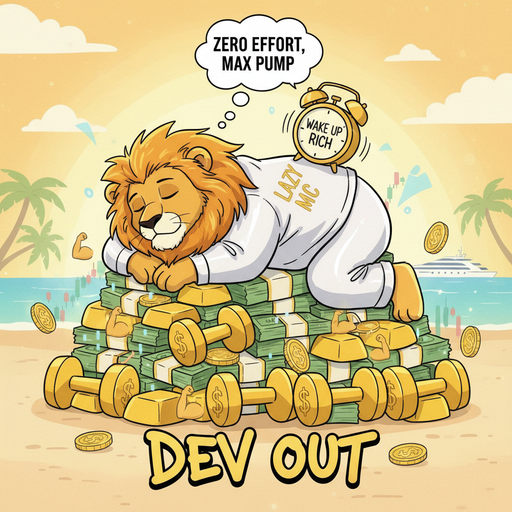



Understanding the crypto bubble: between market cycles and technological evolution
The phenomenon referred to as a “crypto bubble” reflects a legitimate concern regarding the valuation of digital assets. This notion suggests that cryptocurrency prices may be inflated beyond their intrinsic value, creating conditions for a potentially significant correction. Like any speculative bubble, its burst could have major consequences for investors’ portfolios.
The origins of the concept and historical parallels
The term “crypto bubble” gained popularity during two periods of high volatility. Between 2017 and 2018, Bitcoin experienced a remarkable rise, approaching $20,000 in December 2017, before a dramatic fall exceeding 80%, dropping to around $3,000 over the course of a year. This dramatic cycle immediately recalled famous historical speculative phenomena: the late 1990s dot-com bubble and the Dutch tulip mania of the 17th century.
These comparisons highlight a recurring pattern in financial markets, where overvaluation followed by correction is an almost inevitable dynamic. However, unlike traditional bubbles, the crypto ecosystem is built on sustainable technological foundations.
Volatility: a persistent market characteristic
Since its emergence, the cryptocurrency sector has been characterized by chronic instability. The increased volatility observed in 2017 fueled theories of an imminent burst of the speculative bubble. Radical price fluctuations have sparked intense debates about the long-term viability of these assets.
Yet, this volatility should not be interpreted solely as a warning signal. It can also reflect a still-young market in the process of maturing, where price discovery is ongoing and institutional adoption is gradually progressing. Experienced investors recognize these cycles as inherent to emerging markets.
Blockchain technology: beyond speculation
Despite alarmist narratives about a potential crypto bubble, the blockchain technology underpinning these assets continues to innovate and develop. The emergence of stablecoins demonstrates how the industry is striving to solve the fundamental problem of price volatility by creating digital assets backed by stable values.
Meanwhile, promising sectors such as decentralized finance (DeFi) and non-fungible tokens (NFTs) indicate a growing market maturity. The gradual adoption by traditional financial institutions also enhances the credibility and sustainability of the ecosystem. These developments suggest that, beyond cycles of speculation, a solid technological infrastructure is being established.
Managing risks in a volatile environment
Recognizing a potential crypto bubble should not paralyze investors. On the contrary, it should encourage them to adopt a more prudent approach to risk management. A better understanding of market dynamics, combined with appropriate portfolio diversification, can significantly mitigate the negative impacts of volatility.
Modern platforms now offer detailed analytical tools enabling users to make data-driven decisions rather than relying solely on speculation. Market transparency is gradually improving, providing investors with the resources needed to navigate this complex environment.
Conclusion: the crypto bubble in the context of an evolving industry
While the idea of a crypto bubble raises justified concerns, it is essential to place this worry within a broader context. The cryptocurrency market will not disappear following a downward correction but will likely evolve toward greater stability and integration with existing financial systems.
A nuanced understanding of these speculative phenomena, coupled with the gradual adoption of robust technologies and regulatory consolidation, suggests that the crypto industry has the necessary foundations to survive volatility cycles. Investors who grasp this dynamic can turn periods of uncertainty into opportunities for learning and strategic improvement.