

Trade
Basic
Futures
Futures
Hundreds of contracts settled in USDT or BTC
TradFi
Gold
Trade global traditional assets with USDT in one place
Options
Hot
Trade European-style vanilla options
Unified Account
Maximize your capital efficiency
Demo Trading
Futures Kickoff
Get prepared for your futures trading
Futures Events
Participate in events to win generous rewards
Demo Trading
Use virtual funds to experience risk-free trading
Earn
Launch
CandyDrop
Collect candies to earn airdrops
Launchpool
Quick staking, earn potential new tokens
HODLer Airdrop
Hold GT and get massive airdrops for free
Launchpad
Be early to the next big token project
Alpha Points
Trade on-chain assets and enjoy airdrop rewards!
Futures Points
Earn futures points and claim airdrop rewards
Investment
Simple Earn
Earn interests with idle tokens
Auto-Invest
Auto-invest on a regular basis
Dual Investment
Buy low and sell high to take profits from price fluctuations
Soft Staking
Earn rewards with flexible staking
Crypto Loan
0 Fees
Pledge one crypto to borrow another
Lending Center
One-stop lending hub
VIP Wealth Hub
Customized wealth management empowers your assets growth
Private Wealth Management
Customized asset management to grow your digital assets
Quant Fund
Top asset management team helps you profit without hassle
Staking
Stake cryptos to earn in PoS products
Smart Leverage
New
No forced liquidation before maturity, worry-free leveraged gains
GUSD Minting
Use USDT/USDC to mint GUSD for treasury-level yields

More


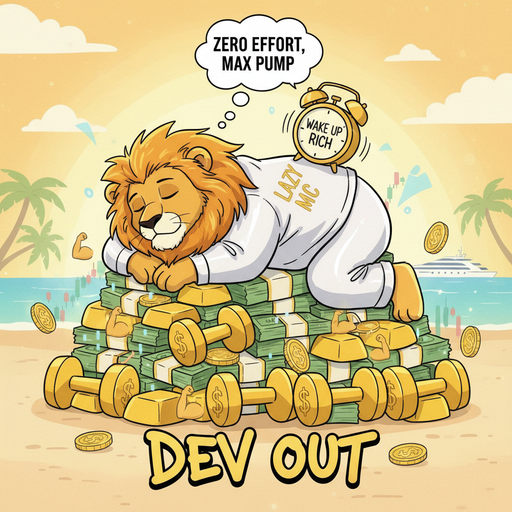



Understanding Crypto Market Bubbles and Volatility Cycles
When investors discuss cryptocurrency, one term that frequently surfaces is “bubble” — the notion that digital asset prices may be inflated beyond intrinsic value, vulnerable to sharp reversals. This phenomenon has shaped investment narratives and market behavior for years, particularly since Bitcoin’s dramatic price movements in the late 2010s. Understanding what drives these cycles and how they differ from traditional market corrections is essential for anyone navigating the crypto landscape today.
What Drives Speculative Bubbles in Cryptocurrency
Cryptocurrency bubbles emerge when rapid price appreciation fuels intense speculation and herd behavior among investors. The most notable example occurred in 2017, when Bitcoin surged to nearly $20,000 by year-end, only to experience a devastating crash. Within twelve months, Bitcoin’s value plummeted over 80%, reaching around $3,000. This magnitude of volatility wasn’t unique to crypto — similar patterns appeared during the dotcom bubble of the late 1990s and the Dutch tulip mania of the 1630s, suggesting recurring patterns in speculative markets.
The mechanics are straightforward: as prices climb rapidly, media coverage intensifies, retail investors flock into the market, and fear of missing out (FOMO) overrides rational analysis. This creates unsustainable momentum that eventually corrects violently once new money dries up or profit-taking begins. For those caught unprepared, the consequences can be severe financial losses.
Historical Patterns: From Dot-Com to Bitcoin’s 2017-2018 Cycle
The cryptocurrency sector has experienced multiple boom-bust cycles throughout its existence. The 2017-2018 period stands as the most widely referenced case study of a crypto bubble. After Bitcoin peaked in December 2017, the subsequent collapse left countless retail investors nursing significant losses. This event created lasting skepticism about digital assets, yet it also served an important function — it acted as a cautionary tale that encouraged more careful market analysis and regulatory oversight.
What distinguishes crypto bubbles from other market phenomena is their intensity and speed. Traditional asset bubbles develop over years; crypto bubbles can inflate and deflate within months. This accelerated timeline reflects the market’s immaturity, lower liquidity, and susceptibility to whales and coordinated trading activity.
How Markets Adapt: Evolution Beyond Volatility
Rather than dismissing cryptocurrencies entirely, the market has evolved to address volatility concerns directly. Stablecoins emerged as a response to price unpredictability, offering digital assets pegged to traditional currencies like the US dollar. Meanwhile, the rise of decentralized finance (DeFi) protocols introduced sophisticated financial instruments, attracting institutional capital that demanded better risk management frameworks.
The emergence of non-fungible tokens (NFTs) and broader blockchain applications demonstrated that underlying technology retained significant value despite periodic price corrections. More importantly, institutional adoption by hedge funds, pension funds, and corporations signaled growing legitimacy. These developments suggest that while the “bubble” narrative may apply to speculative excesses, the fundamental crypto technology continues maturing and finding genuine use cases.
The Role of Market Maturity in Reducing Bubble Risk
As the crypto ecosystem matures, several factors work to mitigate bubble formation. Increased transparency through blockchain analytics allows investors to track large transactions and whale movements. More robust custody solutions and trading infrastructure reduce manipulation risks. Better-informed participants make more deliberate investment choices rather than reacting emotionally.
Nonetheless, volatility remains inherent to cryptocurrencies. New market participants still enter during euphoric phases, regulations remain unclear in many jurisdictions, and technological risks persist. The challenge for investors isn’t eliminating risk but managing it intelligently through diversification, position sizing, and continuous education about market dynamics.
Conclusion
The crypto bubble concept reflects a genuine market phenomenon — speculative cycles that reward early participants and punish latecomers. However, characterizing the entire sector as a “bubble” oversimplifies a complex, evolving market. Cryptocurrency and blockchain technology have demonstrated staying power beyond their original speculative phase. The path forward requires acknowledging volatility as a feature rather than a bug, maintaining healthy skepticism about price movements, and recognizing that separating hype from genuine value creation is an ongoing process for the entire industry. Whether the next price correction represents a temporary pullback or a more profound reset will depend on how market participants and regulators navigate the challenges ahead.