


Futures
Access hundreds of perpetual contracts
TradFi
Gold
One platform for global traditional assets
Options
Hot
Trade European-style vanilla options
Unified Account
Maximize your capital efficiency
Demo Trading
Introduction to Futures Trading
Learn the basics of futures trading
Futures Events
Join events to earn rewards
Demo Trading
Use virtual funds to practice risk-free trading
Launch
CandyDrop
Collect candies to earn airdrops
Launchpool
Quick staking, earn potential new tokens
HODLer Airdrop
Hold GT and get massive airdrops for free
Launchpad
Be early to the next big token project
Alpha Points
Trade on-chain assets and earn airdrops
Futures Points
Earn futures points and claim airdrop rewards


More

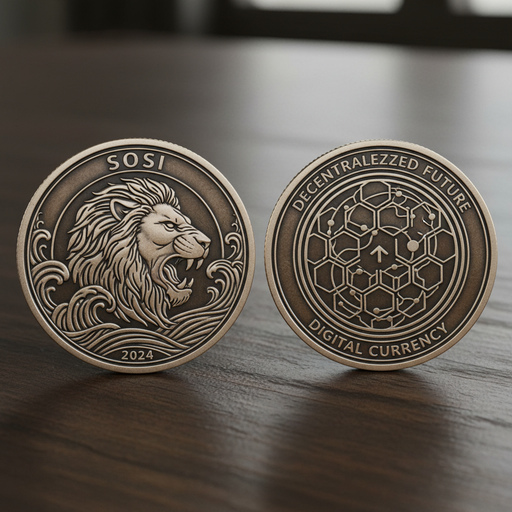




#BItcoin 🚀
Bitcoin continues to stand at the center of the global cryptocurrency revolution, representing not only the first successful digital currency but also one of the most influential financial innovations of the modern era. Since its creation in 2009, Bitcoin has transformed from a small experimental project into a powerful global asset that attracts attention from retail investors, institutions, governments, and technology leaders around the world. Today, Bitcoin is widely seen as both a technological breakthrough and a new form of digital value.
At its core, Bitcoin is built on blockchain technology—a decentralized ledger that records every transaction across a distributed network of computers. Unlike traditional financial systems that rely on central authorities such as banks or governments, Bitcoin operates without a central controller. This decentralized structure allows transactions to be verified by network participants known as miners, ensuring transparency, security, and resistance to censorship.
One of Bitcoin’s most defining characteristics is its limited supply. The protocol is designed so that only 21 million Bitcoins will ever exist. This scarcity model contrasts sharply with traditional fiat currencies that can be printed by central banks when needed. Because of this limited supply, many investors consider Bitcoin to be a form of digital gold, a store of value that can potentially protect wealth against inflation and monetary instability.
Over the years, Bitcoin has experienced dramatic price movements that have captured the attention of financial markets worldwide. Periods of rapid growth have often been followed by corrections and consolidation phases, reflecting the evolving nature of this emerging asset class. Despite its volatility, Bitcoin’s long-term trajectory has shown remarkable resilience as adoption continues to expand across global markets.
Institutional participation has played a major role in Bitcoin’s growing legitimacy. Large asset managers, hedge funds, and publicly traded companies have gradually integrated Bitcoin into their investment strategies. The launch of regulated financial products such as Bitcoin exchange-traded funds (ETFs) has further strengthened the connection between traditional finance and the cryptocurrency ecosystem, allowing investors to gain exposure to Bitcoin through familiar investment vehicles.
Beyond investment purposes, Bitcoin also represents a powerful technological innovation. The blockchain network that supports Bitcoin demonstrates how decentralized systems can enable trust without requiring centralized control. This concept has inspired the development of thousands of other blockchain projects, decentralized finance platforms, and digital asset ecosystems that continue to expand the possibilities of the technology.
Another important factor driving Bitcoin’s influence is its role in global financial inclusion. In regions where access to traditional banking services is limited or where local currencies experience instability, Bitcoin offers an alternative method of storing and transferring value. Anyone with internet access can participate in the network, making Bitcoin a borderless financial tool that operates beyond traditional banking infrastructure.
The growing integration of Bitcoin into the global economy has also attracted increasing attention from regulators and policymakers. Governments around the world are working to develop frameworks that balance innovation with investor protection and financial stability. While regulatory approaches vary across different regions, the overall trend suggests that digital assets are becoming an increasingly recognized component of the global financial system.
As technology continues to evolve, Bitcoin’s ecosystem is also expanding through innovations such as the Lightning Network, which aims to improve transaction speed and scalability. These developments seek to enhance Bitcoin’s usability for everyday payments while preserving the security and decentralization that define the network.
Ultimately, Bitcoin represents far more than a digital currency. It symbolizes a shift in how people think about money, ownership, and financial sovereignty in the digital age. As adoption continues to grow and infrastructure improves, Bitcoin may play an increasingly significant role in shaping the future of global finance.
$BTC