


Futures
Access hundreds of perpetual contracts
TradFi
Gold
One platform for global traditional assets
Options
Hot
Trade European-style vanilla options
Unified Account
Maximize your capital efficiency
Demo Trading
Introduction to Futures Trading
Learn the basics of futures trading
Futures Events
Join events to earn rewards
Demo Trading
Use virtual funds to practice risk-free trading
Launch
CandyDrop
Collect candies to earn airdrops
Launchpool
Quick staking, earn potential new tokens
HODLer Airdrop
Hold GT and get massive airdrops for free
Launchpad
Be early to the next big token project
Alpha Points
Trade on-chain assets and earn airdrops
Futures Points
Earn futures points and claim airdrop rewards


More





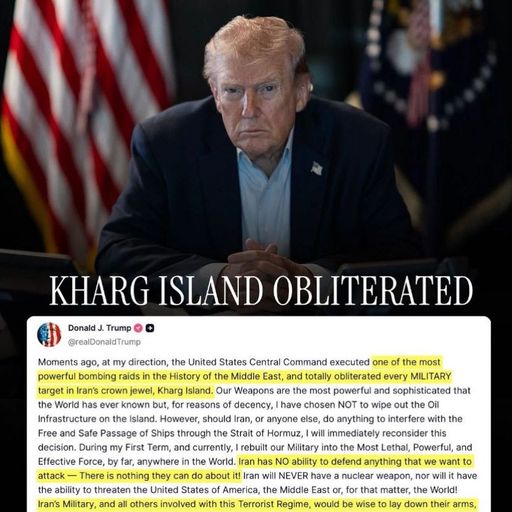
#USPlansMultinationalEscortForHormuz
Recent geopolitical developments indicate that the United States is reportedly working with several international partners to establish a multinational maritime escort mission in the strategically vital Strait of Hormuz. This plan aims to protect commercial shipping routes and ensure the uninterrupted flow of global energy supplies through one of the most important chokepoints in the world’s maritime trade network.
The Strait of Hormuz is a narrow passage connecting the Persian Gulf to the Gulf of Oman and the Arabian Sea. A significant percentage of the world’s oil and liquefied natural gas shipments pass through this corridor every day. Because of this, any instability or security threat in this region immediately draws global attention and raises concerns among energy markets, governments, and international businesses.
According to various strategic discussions, the United States is exploring the possibility of coordinating naval escorts with allied nations to safeguard merchant vessels traveling through the strait. Such multinational cooperation would involve naval patrols, surveillance systems, and coordinated security measures designed to deter potential threats against commercial shipping. The idea is not only to strengthen maritime security but also to reassure global markets that vital energy supply chains remain protected.
This initiative is largely influenced by rising tensions in the broader Middle East region. The presence of military forces and ongoing geopolitical rivalries have increased the risks associated with shipping in the Persian Gulf. Because the Strait of Hormuz sits between Iran and Oman, any escalation involving regional powers can potentially affect shipping activity and global energy markets.
Energy analysts closely monitor developments in this region because even small disruptions can lead to immediate fluctuations in global oil prices. If shipping through the strait becomes unstable, the cost of transporting oil can rise, which often triggers volatility in commodity markets and impacts global economic sentiment.
From a broader perspective, ensuring safe passage through the Strait of Hormuz is not only a regional issue but a global economic priority. Many Asian and European economies rely heavily on energy supplies that pass through this corridor. For this reason, multinational maritime cooperation is often considered one of the most effective approaches to maintaining stability in international waters.
From my perspective and market observation, geopolitical developments like this can also influence financial markets, including commodities and digital assets. Rising tensions in critical trade routes often lead investors to reassess risk exposure across multiple asset classes. In some cases, uncertainty in traditional markets pushes investors toward alternative assets as they seek diversification and protection against volatility.
In my view, the most important factor to watch in the coming weeks will be how regional actors respond to this proposed multinational escort plan. Diplomatic engagement, military positioning, and international cooperation will all shape the final outcome. If tensions ease and coordinated security efforts succeed, the global energy market may stabilize. However, if geopolitical friction increases, we could see ripple effects across oil markets, global trade routes, and broader financial markets.
Overall, the discussion around a multinational escort mission in the Strait of Hormuz highlights how interconnected geopolitics, energy security, and global markets have become. Developments in this narrow but crucial waterway often have far-reaching consequences that extend well beyond the Middle East.