O DeepBook, que inicialmente era a infraestrutura central de correspondência e liquidez no ecossistema Sui, avançou além de uma simples camada de negociação com a implementação da funcionalidade de margem. Agora, opera como uma infraestrutura financeira completa, com pools de margem isolados, mecanismos de liquidação em tempo real e modelos de taxas adaptativos. Nesse novo cenário, os dólares sintéticos deixam de ser apenas ativos de pares de negociação para se tornarem módulos fundamentais, integrados diretamente à lógica de margem e gestão de risco. Isso permite que ativos denominados em dólar sejam incorporados nativamente aos sistemas de liquidação on-chain. Desenvolvedores não precisam mais criar estruturas complexas de controle de risco do zero para lançar estratégias alavancadas ou mecanismos de empréstimo. Para traders, essa integração oferece uma configuração de margem mais flexível e ferramentas aprimoradas de gerenciamento de risco.
A união entre ativos sintéticos em dólar e uma arquitetura de margem nativa permite que o DeepBook evolua de um mercado de correspondência básico para um motor financeiro capaz de estruturar risco e rendimento. Isso reflete uma transformação mais ampla no ecossistema Sui, em que o desenvolvimento migra de aplicações isoladas para a composabilidade e colaboração em nível sistêmico.
A integração do eSui Dollar ao framework de margem do DeepBook representa mais do que uma simples ampliação do portfólio de ativos. Trata-se de uma atualização estrutural da infraestrutura do ecossistema. O alinhamento entre o framework de margem, os mecanismos de liquidação e os ativos sintéticos em dólar permite que desenvolvedores criem aplicações financeiras mais sofisticadas sobre sistemas já estabelecidos, reduzindo as barreiras técnicas para produtos de negociação de margem e alavancados. À medida que mais protocolos e aplicações adotam essa infraestrutura, a composabilidade entre ativos, protocolos e camadas de liquidez tende a se fortalecer, formando gradualmente uma estrutura financeira on-chain capaz de suportar negociações de alta frequência, mercados de empréstimo e sistemas de investimento baseados em estratégias.
eSui Dollar oficialmente integrado ao sistema de margem do DeepBook
 (Fonte: SuiFoundation)
O eSui Dollar (suiUSDe), desenvolvido em parceria pela equipe eSui e pela Ethena Labs, surgiu no quarto trimestre de 2025 e agora foi oficialmente integrado ao DeepBook, a principal camada de liquidez do ecossistema Sui.
O diferencial dessa integração é que o eSui Dollar se tornou o primeiro ativo sintético em dólar a ser utilizado diretamente no sistema de margem do DeepBook. Essa inovação não apenas traz um novo ativo denominado em dólar para negociação on-chain, mas também amplia a flexibilidade estratégica de toda a arquitetura DeFi.
 (Fonte: DeepBook)
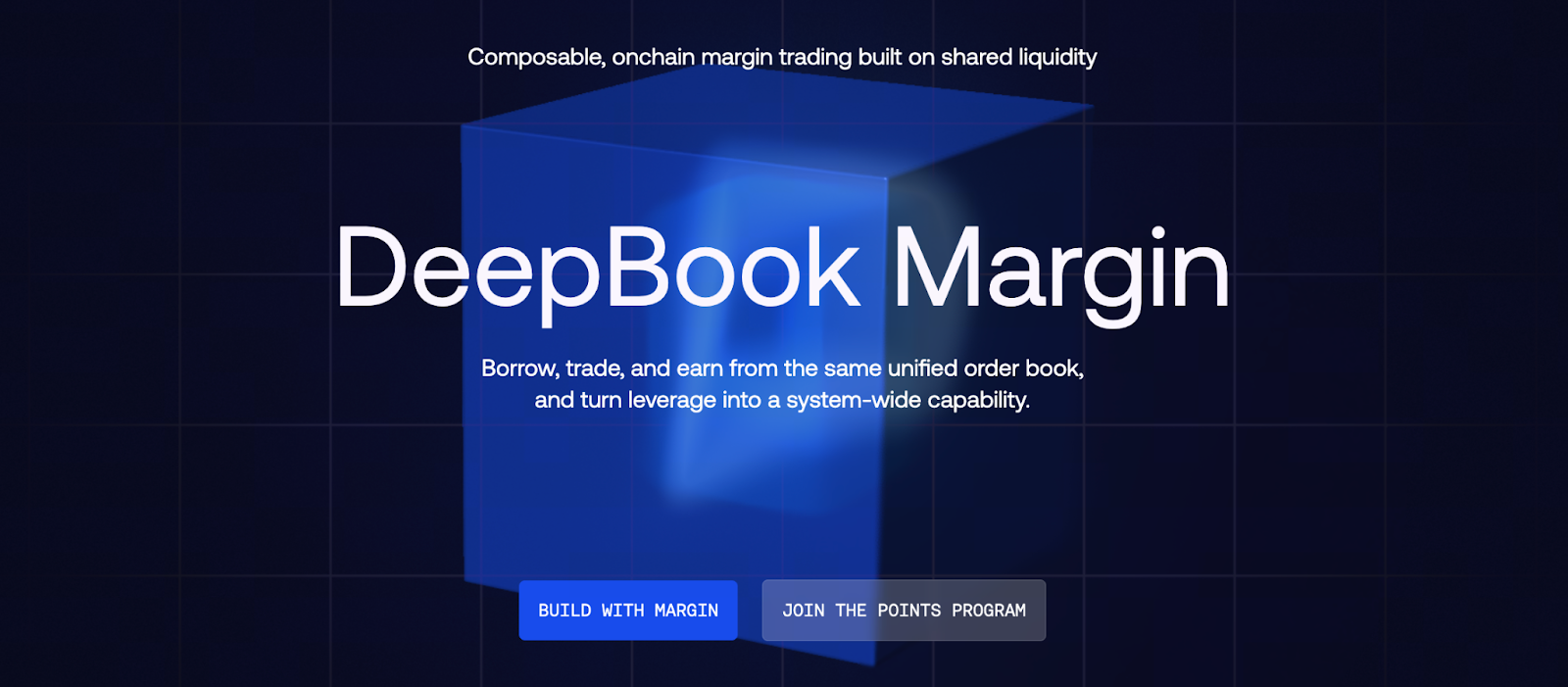
O DeepBook foi originalmente projetado como infraestrutura central de liquidez do ecossistema Sui. Com a chegada da funcionalidade de margem, seu papel evoluiu de uma camada de negociação para uma plataforma financeira completa.
O DeepBook Margin oferece componentes essenciais, como:
-
Arquitetura de pools de margem isolados
-
Mecanismos de liquidação em tempo real
-
Modelos flexíveis de taxas
Nesse ambiente, o eSui Dollar pode ser utilizado diretamente em diversos casos de uso financeiro, como:
Desenvolvedores não precisam mais criar sistemas complexos de margem e liquidação do zero, podendo integrar essas funcionalidades à infraestrutura existente e, assim, reduzir significativamente a barreira para o desenvolvimento de aplicações financeiras avançadas.
Flexibilidade estratégica com dólares sintéticos
Como primeiro dólar sintético integrado ao framework de margem do DeepBook, o eSui Dollar permite que traders administrem riscos com ativos denominados em dólar em ambientes de negociação on-chain.
Seu valor central pode ser analisado sob dois principais aspectos:
A chegada desse tipo de ativo transforma o DeepBook de um marketplace de correspondência em um motor financeiro capaz de estruturar risco e retorno.
Colaboração no ecossistema impulsiona a integração
 (Fonte: SUIG)
Essa integração conta com o apoio de diversos participantes do ecossistema. A SUI (ticker na Nasdaq: SUIG), organização dedicada à adoção institucional e ao desenvolvimento de infraestrutura no ecossistema Sui, também faz parte da iniciativa. Além disso, projetos como Abyss, Cetus e Deeptrade já integraram a funcionalidade de margem do DeepBook. Outras plataformas, como Aftermath, AlphaLend, Bluefin, Ember, Navi, Pyth, Scallop e Suilend, também devem passar a oferecer suporte ao eSui Dollar.
Essa colaboração em múltiplos níveis evidencia como o ecossistema Sui está migrando de aplicações isoladas para uma coordenação sistêmica, onde ativos, protocolos e infraestrutura tornam-se cada vez mais composáveis em um ambiente financeiro unificado.
Um passo estratégico para as finanças programáveis
O lançamento do mecanismo de margem do DeepBook marca um novo estágio na evolução da infraestrutura financeira on-chain. Com a integração de dólares sintéticos em uma arquitetura de margem nativa, o sistema passa a apresentar características fundamentais:
-
Ativos denominados em dólar podem ser incorporados diretamente ao framework de margem on-chain
-
A lógica de liquidação e gestão de risco é implementada no próprio protocolo
-
Desenvolvedores podem criar aplicações financeiras mais complexas sobre a infraestrutura existente
A arquitetura da Sui possibilita que ativos baseados em dólar se integrem diretamente aos sistemas centrais fora do ambiente EVM, com suporte do ecossistema de desenvolvedores MoveVM, que impulsiona o desenvolvimento de novas aplicações.
Essa combinação demonstra, na prática, como ativos digitais em dólar podem servir como infraestrutura financeira em blockchains públicas de alta performance.
Da expansão de ativos à evolução da infraestrutura
O lançamento do eSui Dollar representa mais do que a chegada de um novo ativo: ele fortalece toda a arquitetura de produtos do DeepBook. Quando um framework de margem on-chain se une a dólares sintéticos programáveis, tanto a flexibilidade do sistema quanto a eficiência de capital aumentam simultaneamente.
Para participantes institucionais e de varejo, essa inovação abre caminhos mais amplos para atuação no DeFi. Para desenvolvedores, reduz as barreiras para integrar módulos financeiros em aplicações. Com o amadurecimento das finanças on-chain, integrações estruturais como essa estão transformando a forma como mercados financeiros são criados e utilizados nos ecossistemas de blockchain.
Conclusão
A integração do eSui Dollar ao sistema de margem do DeepBook vai além do lançamento de um novo ativo: representa uma evolução das capacidades da infraestrutura financeira on-chain. Ao permitir que ativos sintéticos em dólar sejam incorporados nativamente aos frameworks de margem e liquidação, as fronteiras entre negociação, empréstimo e design de estratégias se tornam mais fluidas. Para o ecossistema Sui, isso indica que módulos financeiros composáveis estão gradualmente formando um ciclo sistêmico mais completo. Para os participantes de mercado, cria oportunidades mais flexíveis tanto para negociações ativas quanto para estratégias de rendimento passivo. À medida que a infraestrutura amadurece, o espaço para experimentação em finanças programáveis on-chain tende a se expandir.